
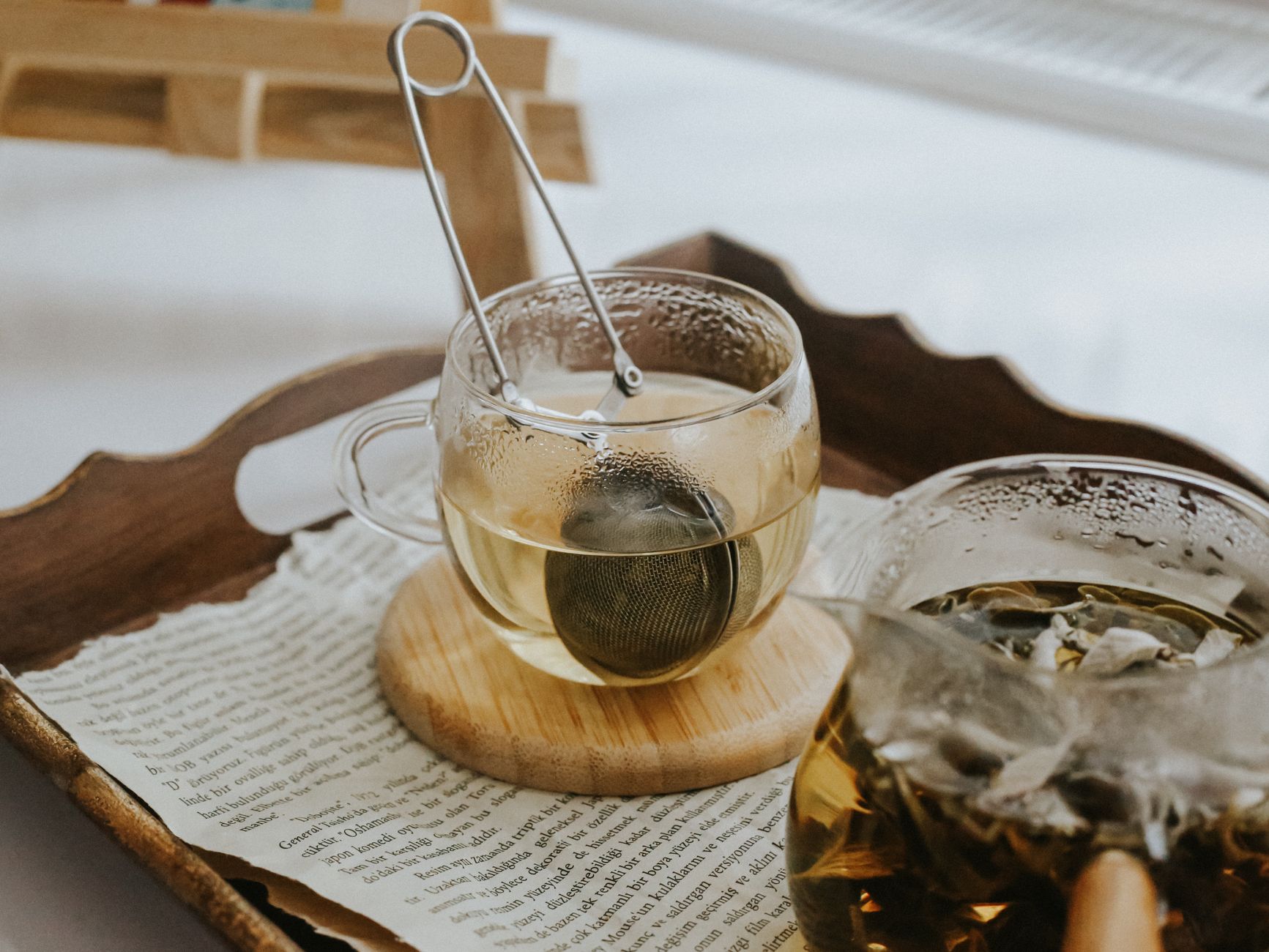
Pregnancy is a time filled with anticipation, preparation, and significant lifestyle changes, including dietary adjustments. One of the crucial aspects to consider during this period is your beverage choices, particularly teas. Understanding which teas are safe and beneficial for pregnant women is essential for maintaining health and comfort.
In this article, we will explore the various teas you can drink while pregnant, their benefits, potential risks, and recommended portions. This comprehensive guide aims to help you make informed choices while ensuring a soothing and enjoyable experience as you navigate through pregnancy.
What Teas Can You Drink While Pregnant?
During pregnancy, some teas can provide health benefits and hydration, while others may pose risks. The most commonly consumed safe teas for pregnant women include herbal teas such as ginger, peppermint, and rooibos. However, it is essential to limit caffeine consumption, which means restricting traditional black and green teas.
Herbal Teas Best Suited for Pregnancy
Herbal teas offer a variety of flavors and benefits that can be advantageous during pregnancy. Here is a list of some herbal teas that are considered generally safe:
- Ginger Tea: Ginger tea is well-known for its ability to fight nausea, making it a popular choice in the early stages of pregnancy. It can help alleviate morning sickness and digestive discomfort.
- Peppermint Tea: This refreshing tea can aid digestion and reduce nausea. It’s especially effective for those who experience an upset stomach.
- Rooibos Tea: A caffeine-free herbal tea rich in antioxidants and minerals, rooibos can be soothing and support overall health during pregnancy.
- Chamomile Tea: Known for its calming properties, chamomile tea can help with relaxation and sleep. However, moderation is key, as excessive amounts may lead to complications.
- Hibiscus Tea: While hibiscus has some benefits, it’s crucial to consume it in moderation as it may lower blood pressure. Consult a doctor before drinking it during pregnancy.
- Dandelion Tea: This tea can support liver health and reduce bloating, making it a suitable option for many women.
Teas to Avoid During Pregnancy
While many herbal teas are safe, there are certain types that pregnant women should avoid due to potential risks. Here are some teas to steer clear of:
- Black Tea: High in caffeine, black tea can lead to increased heart rate and anxiety. Limit your intake to reduce caffeine consumption.
- Green Tea: Similar to black tea, green tea also contains caffeine. Although rich in antioxidants, it should be consumed cautiously.
- Licorice Root Tea: This tea may contribute to high blood pressure and other complications during pregnancy, so it should be avoided.
- Ginseng Tea: Ginseng is known for its stimulant properties and may not be safe for pregnant women.
- Sage Tea: While it has culinary uses, sage can induce contractions and should be avoided in tea form during pregnancy.
Health Benefits of Safe Teas
Each safe tea mentioned earlier comes with its own set of health benefits:
Ginger Tea
Ginger has been used for centuries to combat nausea and vomiting. Drinking ginger tea can help soothe morning sickness and support digestive health. It can also reduce inflammation and provide relief from headaches.
Peppermint Tea
Peppermint is a natural carminative, helping to relieve gas and bloating. This tea can improve digestion and freshen your breath. Its aroma can also have a calming effect, promoting relaxation.
Rooibos Tea
Rooibos is naturally caffeine-free and rich in antioxidants. It can help reduce oxidative stress and lower inflammation. Additionally, it is high in minerals like calcium, magnesium, and zinc, which are essential for overall health during pregnancy.
Chamomile Tea
Chamomile tea is praised for its calming properties that can promote sleep. It may also help alleviate digestive issues and reduce anxiety, providing a soothing beverage option as you unwind.
Dandelion Tea
Dandelion tea can enhance liver function and support detoxification. It may help with fluid retention, reducing swelling in pregnant women.
Recommended Portions and Frequency
When consuming herbal teas during pregnancy, moderation is crucial. Here are some recommendations:
- Ginger Tea: 1 to 2 cups per day. Some studies suggest that up to 1 gram of ginger per day is effective for nausea.
- Peppermint Tea: 1 to 3 cups per day. It is generally safe in moderate amounts.
- Rooibos Tea: 2 to 4 cups per day. This tea can be enjoyed regularly without adverse effects.
- Chamomile Tea: 1 cup per day. Try to limit it to avoid excessive intake.
- Dandelion Tea: 1 to 2 cups per day. Consult a healthcare professional if you have any concerns.
How to Prepare Herbal Tea
Brewing herbal tea is simple and requires minimal equipment. Here’s a basic method:
- Gather Ingredients: Choose the herbal tea you want to prepare, whether it be loose leaves or teabags.
- Heat Water: Bring filtered water to a boil in a pot or kettle.
- Add Tea: If using loose leaves, use a tea infuser or strainer. Add 1 teaspoon of loose tea or 1 teabag per cup of water.
- Steep: Pour the boiling water over the tea and steep for 5 to 10 minutes, depending on how strong you want the flavor.
- Strain and Serve: Remove the infuser or strain the leaves. Enjoy your tea hot or allow it to cool.
Potential Risks and Precautions
While many herbal teas are safe, some can pose risks. It is essential to consult with a healthcare professional before trying new types of tea. Some factors to consider include:
Individual sensitivities or allergies can lead to adverse effects. Always monitor how your body reacts to any new herbal tea. Additionally, be aware of the specific qualities of each herbal ingredient, including its potential medicinal effects, as some herbs can stimulate contractions or other pregnancy complications.
Common Mistakes When Choosing Teas
Selecting teas during pregnancy can be tricky, and certain mistakes are common. Be cautious and avoid the following:
- Ignoring Caffeine Content: Many women overlook the caffeine content in certain herbal teas. Always check the label or research herbal blends.
- Overconsumption: Even safe teas can have adverse effects if consumed in large amounts. Stick to recommended portions and frequency.
- Not Checking Ingredients: Some herbal blends may include unsafe herbs. Always read the ingredient list before purchasing.
Enjoying Tea During Pregnancy
Drinking tea while pregnant can be a delightful experience. You can enhance your tea with various additions like honey or lemon for flavor. Here are some tips to enjoy your teas:
- Temperature: Some women prefer their teas hot, while others may enjoy them iced. Experiment with temperature to find your favorite way to drink.
- Flavors: Consider blending different herbal teas for unique flavor combinations. Just ensure that all components are safe for pregnancy.
- Pairing: Enjoy your tea with healthy snacks. Consider pairing chamomile or mint tea with light fruits or nuts.
Conclusion
Pregnancy is a unique journey that requires careful consideration of dietary choices, including the types of tea consumed. Many herbal teas can provide comfort and health benefits, ensuring a wholesome experience during this special time. Always prioritize moderation, consult with your doctor, and enjoy the soothing qualities of safe teas.
To expand your culinary knowledge, explore our guides on how to make clove tea and dandelion tea. These teas offer additional options to enhance your drink repertoire during pregnancy.