
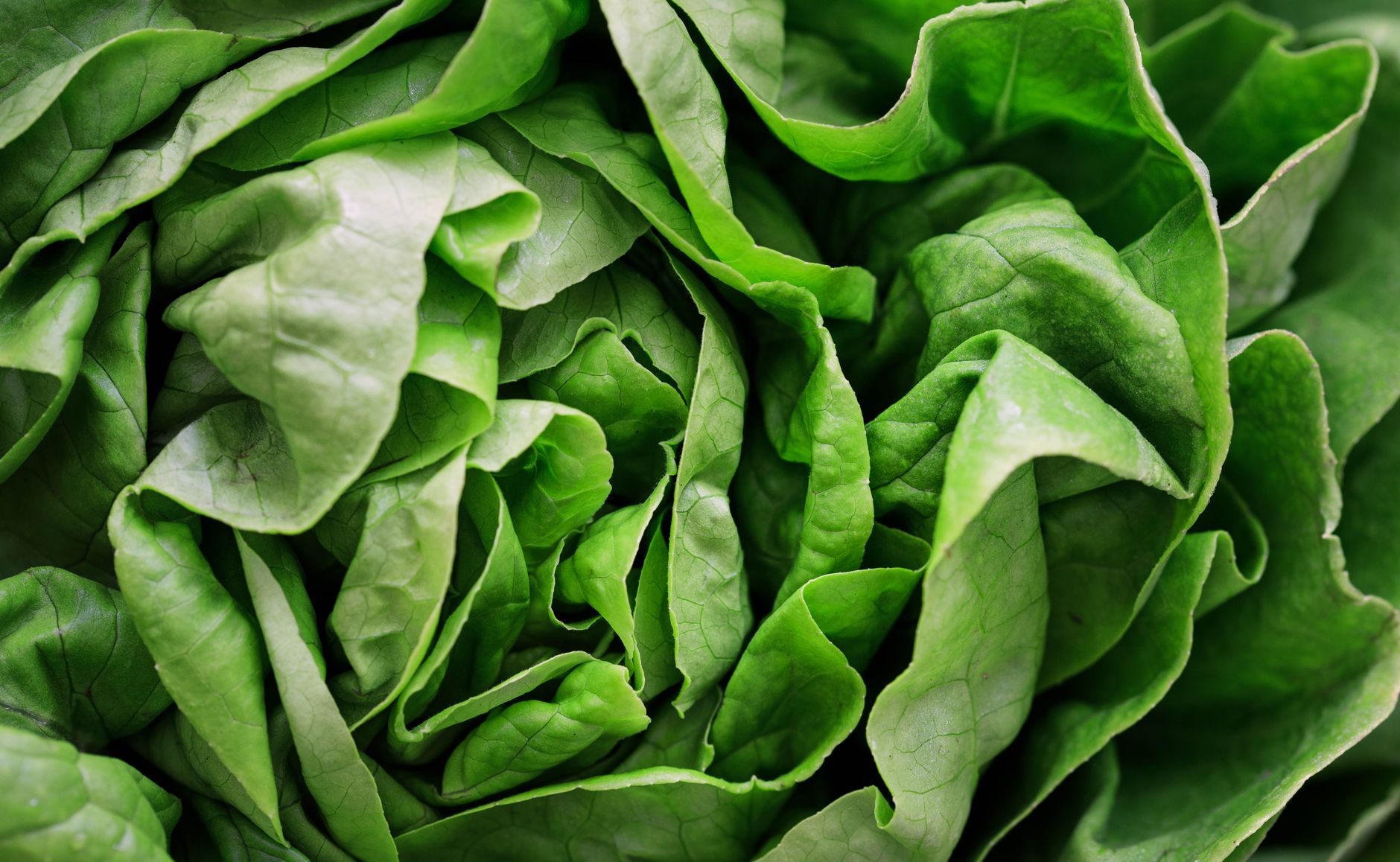
Lettuce is a staple in many diets, commonly found in salads, sandwiches, and as a garnish. Its light, crisp texture and subtle flavor make it a versatile ingredient, and it’s often praised for its high-water content and low calorie count. But just how many calories does lettuce have, and what nutritional benefits does it offer?
This article will dive into the various types of lettuce, their calorie counts, nutritional value, and how to incorporate this leafy green into your meals effectively. Understanding the caloric content and nutrition of lettuce can help you make informed dietary choices.
How Many Calories Does Lettuce Have?
Lettuce is remarkably low in calories; most types contain around 5 to 15 calories per cup, making it an excellent choice for those watching their calorie intake. For example, one cup of shredded iceberg lettuce contains about 10 calories, while a cup of romaine has approximately 15 calories.
Types of Lettuce and Their Caloric Content
There are several varieties of lettuce, each with its unique flavor, texture, and calorie count. Below is a breakdown of the most common types of lettuce and their respective calorie counts per one cup serving.
| Lettuce Type | Calories per Cup |
|---|---|
| Iceberg Lettuce | 10 |
| Romaine Lettuce | 15 |
| Green Leaf Lettuce | 5 |
| Red Leaf Lettuce | 5 |
| Bibb Lettuce | 10 |
| Butterhead Lettuce | 15 |
| Arugula (often considered a type of lettuce) | 5 |
Nutritional Benefits of Lettuce
Beyond its low-calorie count, lettuce offers several nutritional benefits that can contribute to a balanced diet. Here are some key nutrients found in lettuce:
- Water Content: Lettuce is approximately 95% water, making it excellent for hydration.
- Fiber: A serving provides dietary fiber, supporting digestive health.
- Vitamins: Lettuce is a good source of vitamins A and K, which are important for vision and heart health.
- Antioxidants: Various types of lettuce contain antioxidants, which can mitigate oxidative stress and inflammation.
Incorporating Lettuce into Your Diet
Adding lettuce to your meals is simple and versatile. Below are some strategies for incorporating lettuce into your diet:
Salads
The most common use for lettuce is in salads. Combine different types of lettuce for varied texture and flavor, and add colorful vegetables, proteins, and healthy fats for a filling meal.
Sandwiches and Wraps
Lettuce can replace high-calorie bread in wraps or sandwiches, providing a low-carb option while still offering a satisfying crunch.
Garnish
Use lettuce leaves as a garnish or base for other dishes. For instance, serve grilled meats on a bed of romaine or iceberg for an appealing presentation.
Juicing and Smoothies
Lettuce can be added to smoothies or juices, contributing nutrients without significantly increasing calorie counts.
Practical Serving Sizes
Understanding portion sizes is crucial for managing calorie intake effectively. Generally, one serving of lettuce is considered to be one cup. In the context of a salad, you can use a base of two to three cups of lettuce and then add toppings and dressings accordingly.
Common Mistakes When Using Lettuce
Even with its numerous benefits, there are some common mistakes to avoid when using lettuce:
- Overdressing: Heavy dressings can add many calories, negating the benefits of a low-calorie base. Opt for light dressings or vinaigrettes.
- Ignoring Food Safety: Always wash your lettuce thoroughly to reduce the risk of foodborne illnesses.
- Letting Lettuce Go Bad: Store lettuce properly in the refrigerator to maintain freshness. It is best kept unwashed and wrapped in a damp paper towel.
How to Store Lettuce Properly
To maximize its shelf life, store lettuce carefully. Here are some tips:
- Keep it in the crisper drawer of your refrigerator.
- Wrap the leaves in paper towels to absorb excess moisture.
- Store it in a perforated plastic bag to provide airflow.
Cooking with Lettuce
While lettuce is primarily consumed raw, it can also be used in cooked dishes in certain ways. Here are some ideas:
Sautéing
Vegetables such as romaine or bok choy can be sautéed quickly to add a unique flavor to stir-fries or as a side dish. Just avoid overcooking, as lettuce wilts quickly.
Grilling
Grilled romaine or iceberg lettuce offers a smoky flavor and can serve as the foundation for a warm salad.
Soups
Lettuce can also be blended into soups for added nutrition. Creamy soups can incorporate it easily without overpowering the flavor.
Frequently Asked Questions
1. Can I eat too much lettuce?
While lettuce is low in calories and high in water, consuming any food in excess can lead to an imbalanced diet. Moderation is key.
2. Is iceberg lettuce less nutritious than darker greens?
Iceberg lettuce has a lower nutrient density compared to darker leafy greens like spinach or kale. If you’re looking for more vitamins, consider opting for romaine or leafy varieties.
3. Does cooking lettuce change its nutritional value?
Cooking lettuce can reduce some of its nutrient levels, particularly the water-soluble vitamins like vitamin C. However, this is offset by the concentration of other flavors and nutrients in cooked forms.
Conclusion
Lettuce remains an indispensable part of a balanced diet due to its low caloric content and valuable nutrients. It serves as an excellent base for salads, wraps, or a garnish, contributing not only support for hydration but also vital vitamins and minerals.
To make the most of your meals, consider experimenting with different types of lettuce and recipes. Whether you are using lettuce in a salad, smoothie, or cooked dish, it offers great flavor and nutritional benefits that can enhance your meals.
Explore related recipes, cooking tips, or food guides such as a wilted lettuce recipe or Asian slaw recipe for more ways to enjoy lettuce in your kitchen.