
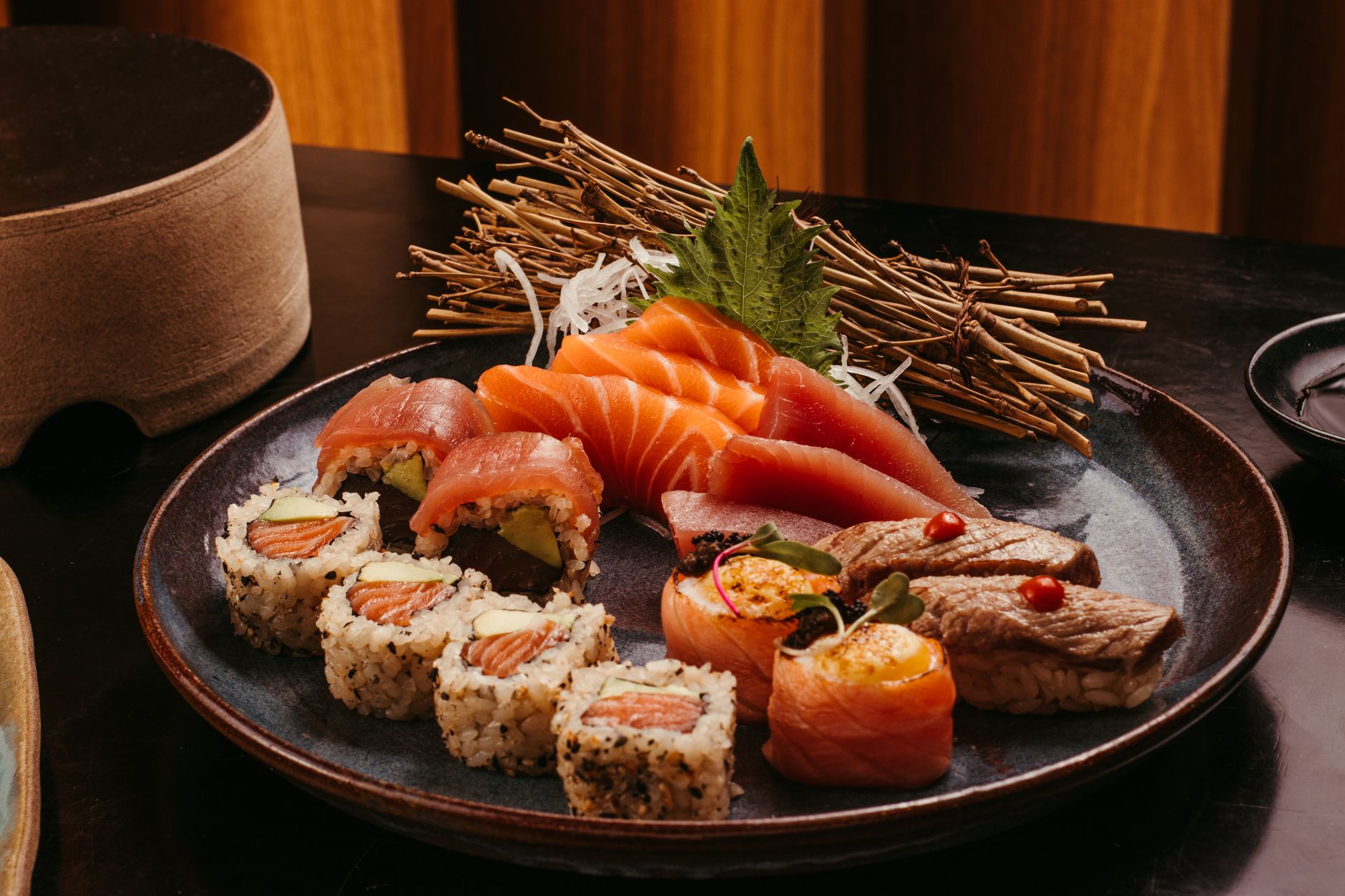
Tuna and salmon are two of the most popular seafood choices, often celebrated for their culinary versatility and rich flavors. Yet, when it comes to nutrition, many wonder which is the better option. Understanding the health benefits and nutritional profiles of both tuna and salmon can help you make informed choices for your meals.
This article will delve deep into the nutritional aspects of both fish, shedding light on their health benefits, potential risks, and even serving suggestions to incorporate them into your diet.
Is Tuna or Salmon Healthier?
When comparing tuna to salmon, salmon is generally considered healthier due to its higher omega-3 fatty acid content and additional vitamins. However, the choice may also depend on individual dietary needs and preferences.
Nutritional Comparison of Tuna and Salmon
To compare tuna and salmon effectively, it’s important to look at their key nutritional components. Here’s a breakdown of the two varieties.
Nutritional Profile of Tuna
Tuna, particularly varieties such as canned light tuna, is known for its high protein content and low calorie count. Here are the average nutritional values per 3-ounce serving:
- Calories: 99
- Protein: 22 grams
- Fat: 0.6 grams
- Omega-3 fatty acids: Approximately 0.2 grams
- Vitamin D: 2% of the Daily Value (DV)
Besides protein, tuna provides several vitamins and minerals, including selenium and vitamin B12, crucial for maintaining good health.
Nutritional Profile of Salmon
On the other hand, salmon, especially wild-caught, is considered a nutritional powerhouse. Here’s what you generally find in one 3-ounce serving:
- Calories: 175
- Protein: 25 grams
- Fat: 9 grams
- Omega-3 fatty acids: Approximately 2 grams
- Vitamin D: 135% of the DV
- Selenium: 68% of the DV
Salmon is exceptionally rich in omega-3 fatty acids, which are crucial for heart health and brain function. It also contains vitamin B6 and potassium.
Health Benefits of Tuna and Salmon
Both tuna and salmon boast numerous health benefits, making them excellent choices for any diet.
Benefits of Tuna
- High Protein Content: Excellent for muscle repair and growth.
- Low in Calories: Suitable for weight management.
- Rich in Selenium: Aids antioxidant activity in the body.
Benefits of Salmon
- Heart Health: High omega-3 content helps reduce the risk of heart disease.
- Brain Function: Omega-3s are vital for cognitive health and mood regulation.
- Anti-Inflammatory: Beneficial in reducing inflammation in the body.
Potential Risks of Tuna and Salmon
While both options have benefits, there are some risks associated with each that should be considered.
Risks of Tuna
One of the main concerns with tuna consumption is mercury levels. Larger tuna species, like bluefin, can accumulate significant amounts of mercury due to their position in the food chain, posing potential health risks if consumed excessively.
Risks of Salmon
Farm-raised salmon may contain higher levels of contaminants, such as PCBs (polychlorinated biphenyls) and pesticides, due to their diet and living conditions. It’s important to choose high-quality, sustainably sourced salmon to minimize these risks.
Cooking Methods and Recipe Ideas
How you prepare tuna and salmon can significantly affect their flavor and health benefits. Here are some popular cooking methods and recipe ideas for both.
Cooking Methods for Tuna
- Grilling: Enhances the smoky flavor and creates a charred texture.
- Searing: A quick method that retains moisture and adds depth to the taste.
- Canning: Convenient and versatile, perfect for salads and sandwiches.
Recipe Ideas Using Tuna
- Seared Ahi Tuna: Lightly seared on the outside, tender on the inside, served with a soy-ginger glaze.
- Tuna Salad: Mix canned tuna with Greek yogurt, celery, and spices for a healthy lunch option.
- Tuna Poke Bowl: Combine fresh tuna with rice, avocado, and vegetables.
Cooking Methods for Salmon
- Grilling: Provides beautiful grill marks and enhances flavor.
- Baking: A simple method that allows for easy seasoning variations.
- Poaching: Keeps the fish tender and moist, perfect for light meals.
Recipe Ideas Using Salmon
- Salmon Fillet: Oven-baked with herbs and lemon for a simple dish.
- Salmon Salad: Flaked salmon served on a bed of greens with a vinaigrette.
Portion Sizes and Meal Planning
When including tuna or salmon in your diet, portion sizes play a critical role in maximizing health benefits while avoiding potential risks. Generally, a healthy serving size is about 3-4 ounces or the size of your palm.
Serving Suggestions
To create well-balanced meals, consider pairing tuna or salmon with colorful vegetables, whole grains, and healthy fats. Here are some suggestions:
- With Quinoa Salad: Combine cooked quinoa with spinach, cherry tomatoes, and your choice of fish.
- On a Toast: Spread avocado on whole-grain toast and top with canned tuna or smoked salmon.
Making an Informed Choice
Deciding whether to include tuna or salmon in your diet may depend on various factors such as taste preferences, cooking methods, and nutritional goals. While salmon wins in omega-3s and vitamin content, tuna provides lean protein with fewer calories. If sustainability is essential to you, opt for responsibly sourced varieties.
Conclusion
Both tuna and salmon have unique benefits and characteristics that can complement a healthy, balanced diet. If you prioritize omega-3 intake and additional vitamins, salmon may be your top choice. Conversely, if you are seeking a low-calorie, high-protein option, tuna can also be a smart addition.
Next time you’re planning a meal, consider incorporating these flavorful fish into your recipes. You can also explore more about the shelf life of salmon or get inspired with new tuna recipes to maximize your diet.
Discover useful information on the shelf life of salmon here: How Long Is Salmon Good For in the Fridge?. For a delicious meal option, check out this Seared Ahi Tuna Recipe.