
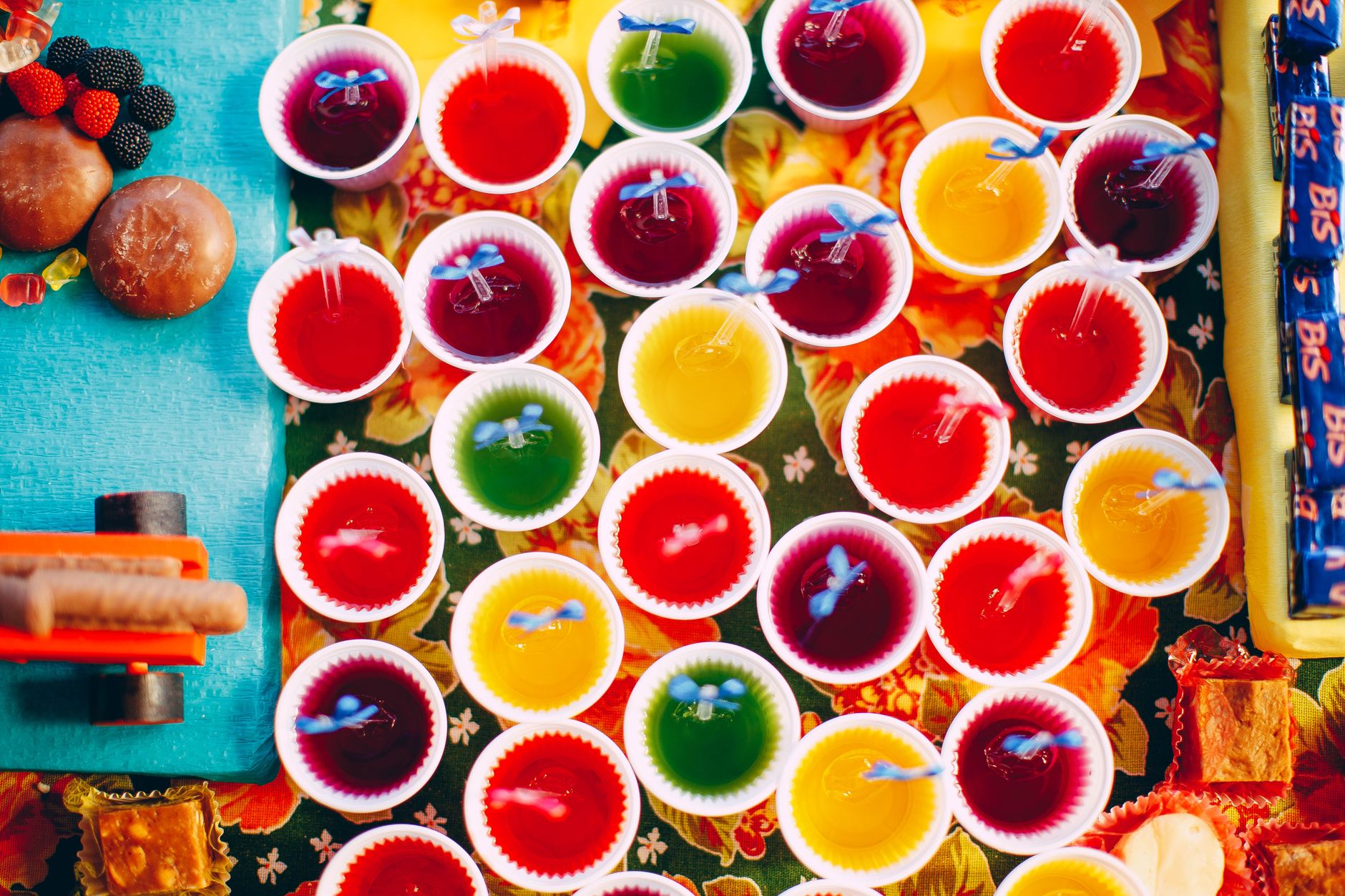
Gelatin is a versatile ingredient derived from collagen, and it plays a crucial role in various culinary applications. From desserts like jellies to savory dishes, gelatin contributes unique textures and stability. Understanding gelatin recipes can enhance your cooking, helping you create delightful dishes that impress.
This article outlines what gelatin is, provides detailed recipes, tips for using gelatin, and serves suggestions. We will cover classic recipes, practical applications, and various ways to incorporate gelatin into your meals.
What Is the Gelatin Recipe?
The gelatin recipe consists mainly of gelatin as the primary ingredient. It can be used to create a variety of dishes ranging from gummy candies and marshmallows to desserts like panna cotta or mousse. Typically found in both powdered and sheet forms, gelatin can provide a smooth and consistent texture in foods.
What is Gelatin?
Gelatin is a colorless and flavorless food ingredient obtained by boiling the skin, bones, and connective tissues of animals. It is rich in collagen, which is a protein that helps give strength and elasticity to connective tissues. The gelatin that you typically find in stores is processed and purified, making it safe for consumption.
Gelatin is commonly used in many culinary applications:
- Setting agents in desserts (e.g., jellies and panna cotta)
- Thickening agents in sauces and soups
- Stabilizers in whipped cream and mousses
- Creating chewy textures in candies
Types of Gelatin
There are primarily two forms of gelatin available:
- Powdered Gelatin: This is the most common form and can be easily measured. It’s often used in recipes where the liquid is heated.
- Sheet Gelatin: Also known as leaf gelatin, this form requires soaking in cold water before use. It can provide a clearer gel and is commonly used by professional chefs.
Basic Gelatin Recipe
Creating a basic gelatin dish is straightforward. Below is a simple recipe for a classic gelatin dessert.
Ingredients
- 2 cups fruit juice (like orange, cranberry, or grape)
- 1 cup cold water
- 2 ½ teaspoons powdered gelatin or 3 sheets of gelatin
- Optional: sweetener to taste (like sugar or honey)
- Optional: fresh fruit pieces (like berries or diced peaches)
Equipment
- Medium saucepan
- Mixing bowl
- Whisk or spoon
- Measuring cups and spoons
- Refrigerator
- Molds or dishes for setting
Instructions
- In a small bowl, sprinkle the gelatin over ½ cup of cold water. Let it sit for about 5 minutes to bloom.
- In a saucepan, heat the remaining 1 ½ cups of fruit juice over medium heat until it is warm but not boiling.
- If using, add sweetener to the juice and stir until dissolved.
- Remove the saucepan from heat. Add the bloomed gelatin into the warm juice, stirring until completely dissolved.
- Add any fresh fruit pieces if desired.
- Pour the mixture into molds or dishes and refrigerate for at least 4 hours, or until set.
- Once set, carefully remove from the molds and serve chilled.
Serving Tips
Gelatin desserts can be served in various ways. Here are some ideas:
- Garnish with whipped cream or yogurt for added creaminess.
- Serve with fresh fruit on top for a refreshing touch.
- Layer different flavors of gelatin for a colorful presentation.
- Use cookie cutters to create fun shapes from the set gelatin.
Common Substitutions for Gelatin
If you need an alternative for gelatin, there are other gelling agents available. Here are two common substitutes:
- Agar-Agar: A plant-based gelatin substitute made from seaweed. It requires boiling to activate and can create a firmer gel.
- Pectin: Often used in jams and jellies, this fruit-derived gelling agent can impart a different texture but works well in sweet applications.
Common Mistakes and Troubleshooting
Here are a few common issues and how to troubleshoot them:
- Gelatin Is Not Setting: Ensure you used enough gelatin. If using powdered gelatin, it must bloom properly in cold water.
- Texture Too Wobbly: This may occur if there is excessive liquid. Adjust the ratio of gelatin to liquid according to the specific recipe.
- Off Taste: Always use quality flavoring ingredients. If adding fruit juices, make sure they are fresh for the best taste.
Advanced Gelatin Desserts
Once you’ve mastered the basic gelatin recipe, you can experiment with more intricate desserts. Here are a few ideas:
Panna Cotta
Panna cotta is an Italian dessert that combines cream, sugar, and gelatin for a rich and creamy treat.
Flavored Gummy Candies
Creating your own gummy candies allows for flavor customization. Simply adjust the juice and add sweeteners as necessary!
Gelatinous Mousse
This is a whipped dessert that incorporates gelatin for stability, yielding a light and airy texture.
Storage and Make-Ahead Tips
Gelatin desserts can generally be made ahead of time and stored. Here are some tips:
- Store prepared gelatin in the refrigerator for up to 5 days.
- Cover gelatin desserts with plastic wrap to prevent contamination and odor absorption.
- Do not freeze gelatin desserts, as freezing can alter the texture.
Conclusion
Understanding how to use gelatin in your cooking opens a world of culinary possibilities. From classic desserts like jellies and panna cotta to creative applications in savory dishes, gelatin adds texture and stability. Now that you’re equipped with the basics, why not try making your own delicious dishes incorporating gelatin? Explore recipes for Bavarian cream or a unique chia pudding to take your culinary creativity to the next level!
For more delicious recipes, check out our Bavarian cream recipe or discover our chia pudding recipe with coconut milk for a delightful twist on dessert.