
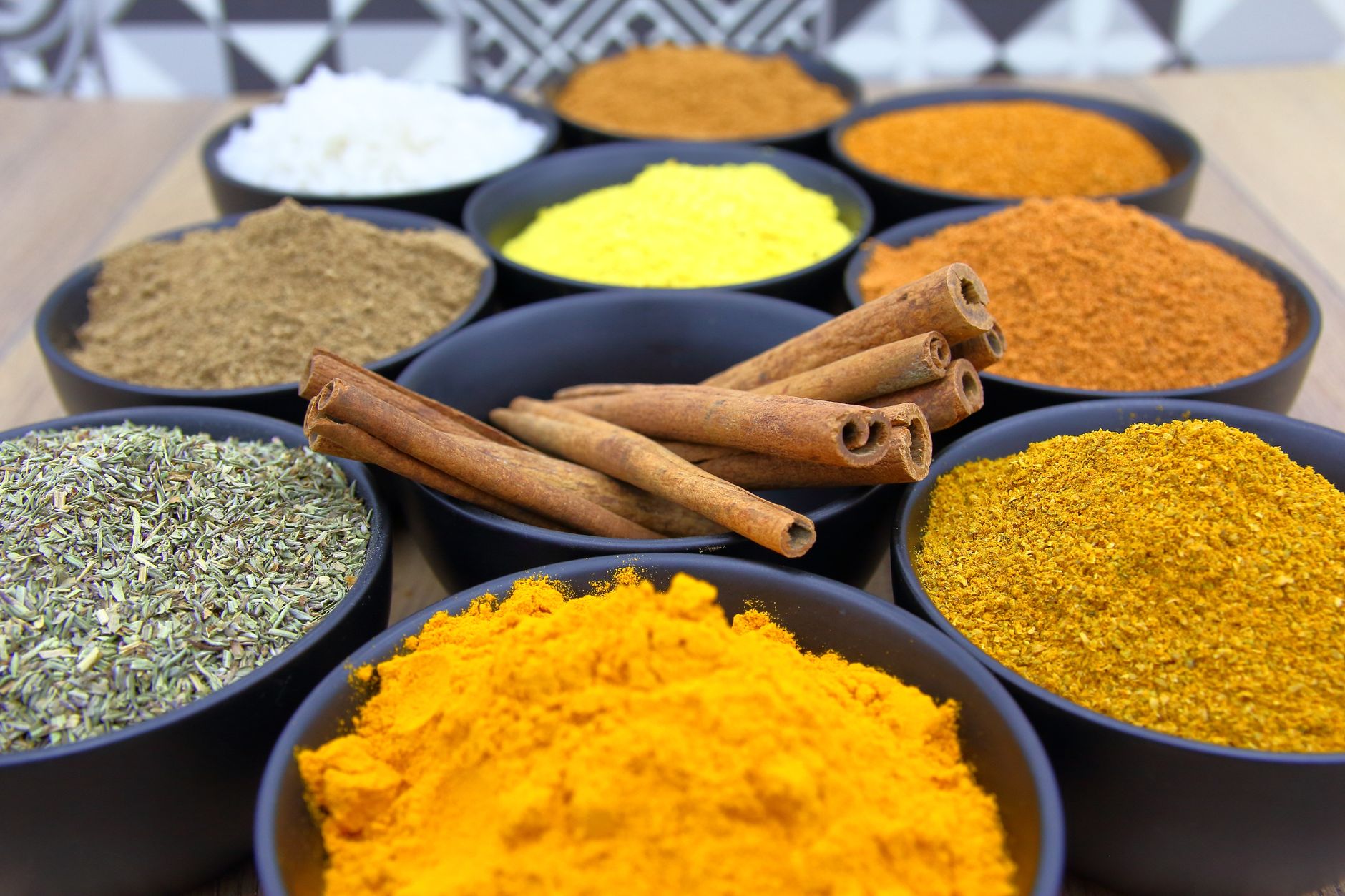
The Spice Islands, historically known as the Moluccas, are a group of islands in Indonesia that have been famous for their rich and diverse array of spices. These islands were once the epicenter of the global spice trade, captivating adventurers, traders, and empires alike. Although their significance has changed over time, understanding the Spice Islands offers insights into their unique ingredients and culinary contributions.
Today, we will delve into what the Spice Islands are, the spices they contribute, their tastes and textures, and how to incorporate these flavors in your kitchen. Whether you’re a seasoned chef or a home cook looking to elevate your meals, knowing about these islands and their spices can enhance your culinary adventures.
What Are the Spice Islands?
The Spice Islands, primarily the Moluccas archipelago, consist of several islands including Ambon, Ternate, Tidore, and Banda Islands. They are renowned for a variety of spices such as nutmeg, cloves, and mace. These spices were so valuable that they played a crucial role in motivating European explorers in the 15th and 16th centuries to seek new trade routes.
Often referred to as the “Spice Islands,” this region is a melting pot of diverse cultures, each with its history and traditions concerning the cultivation and use of spices. This deep connection to spices not only enhances local cuisine but also impacts global culinary practices.
Key Spices from the Spice Islands
To appreciate the culinary potential of the Spice Islands, let’s explore some key spices native to the region:
1. Nutmeg
Nutmeg, a spice derived from the seed of the nutmeg tree (Myristica fragrans), adds a warm and sweet flavor to dishes. It has a slightly woody and earthy aroma and is utilized in both sweet and savory recipes.
- Flavor Profile: Warm, sweet, and slightly nutty.
- Texture: Powdered form or whole seeds.
- Culinary Uses: Baked goods, sauces, creamy dishes, and spice blends.
2. Cloves
Cloves are the dried flower buds of the clove tree (Syzygium aromaticum). They are known for their strong, aromatic flavor, which is both sweet and slightly bitter, combined with a pungent scent.
- Flavor Profile: Strongly aromatic, warm, and sweet.
- Texture: Whole buds or ground.
- Culinary Uses: Marinades, spiced teas, desserts, and rice dishes.
3. Mace
Mace is the outer covering of the nutmeg seed and has a slightly more delicate flavor compared to nutmeg. It offers a warm, spicy-sweet essence with notes of citrus.
- Flavor Profile: Warm, sweet, slightly peppery.
- Texture: Blade-like structure or ground form.
- Culinary Uses: Baked goods, creamy dishes, and various spice blends.
4. Cardamom
Although not exclusive to the Spice Islands, cardamom is cultivated here as well. This spice has a complex flavor profile that is sweet, spicy, and floral.
- Flavor Profile: Sweet, spicy, aromatic.
- Texture: Whole pods or ground.
- Culinary Uses: Curries, pastries, and spiced beverages.
How to Use These Spices in Your Kitchen
Incorporating spices from the Spice Islands can elevate your culinary creations. Here are some practical tips for using them:
Cooking Techniques
Certain cooking methods work exceptionally well with these spices:
- Toasting: Lightly toast whole spices in a dry skillet to enhance their flavor and aroma before grinding or using them.
- Infusion: Infuse whole spices into liquids (such as broths or oils) to impart their flavors more effectively.
- Balance: These spices can dominate; use them in moderation and balance their intensity with complementary ingredients.
Flavor Combinations
Creating harmonious flavor profiles is essential in cooking. Here are some suggested combinations:
- Nutmeg: Pairs well with cinnamon and ginger in sweet applications.
- Cloves: Excellent alongside allspice and cinnamon in spiced dishes.
- Mace: Works harmoniously with nutmeg and vanilla in desserts.
- Cardamom: Complements citrus and vanilla for a refreshing touch.
Practical Applications in Recipes
Understanding how to incorporate these spices into recipes is fundamental. Here are a few inspiration examples:
Spiced Rice
This dish is a great base for many meals and truly highlights the flavors of the Spice Islands.
- Ingredients:
- 1 cup basmati rice
- 2 cups water
- 1 tsp cloves
- 1 tsp cardamom pods
- 1 stick of cinnamon
- Salt to taste
- Instructions:
- Rinse the basmati rice under cold water until the water runs clear.
- In a pot, combine water, rinsed rice, cloves, cardamom, cinnamon, and salt.
- Bring to a boil, then reduce the heat to low, cover, and simmer for 15 minutes.
- Once done, fluff with a fork and serve with your choice of main dish.
Nutmeg-Infused Cream Sauce
This sauce is perfect for pasta dishes and adds a creamy, spiced richness.
- Ingredients:
- 2 cups heavy cream
- 1 tsp grated nutmeg
- Salt and pepper to taste
- 1 tbsp olive oil
- 1 clove garlic, minced
- Instructions:
- In a saucepan, heat olive oil over medium heat and sauté minced garlic until fragrant.
- Add the heavy cream and bring to a simmer.
- Stir in grated nutmeg, salt, and pepper; simmer for 5 minutes.
- Use as a sauce for pasta or drizzle over vegetables.
Tips and Tricks for Using Spice Islands Spices
Being aware of common pitfalls can help you get the best flavor from your spices:
- Storage: Store spices in a cool, dry place away from light to maintain potency. Whole spices generally last longer than ground ones.
- Freshness: Buy whole spices when possible and grind them as needed for maximum flavor.
- Quantity: Spices from the Spice Islands can be quite potent. Start with smaller quantities and adjust according to taste.
Substitutions and Variations
Sometimes, you may not have all the spices on hand. Here are some practical substitutions you can use:
Substitutes for Nutmeg
- Mace: Use a 1:1 ratio as it shares a similar flavor profile.
- Ground cinnamon: Use about half the amount, as its flavor is distinct but can add warmth.
Substitutes for Cloves
- Allspice: A suitable substitute using half the quantity.
- Cinnamon: Use less than half the amount, as cinnamon has a sweeter profile.
Common Mistakes to Avoid
When cooking with Spice Islands spices, certain common mistakes can diminish their contributions:
- Overuse: Spices like cloves and nutmeg can overpower dishes if used excessively, resulting in an unpleasant taste.
- Neglect: Not taking the time to toast whole spices can lead to a lack of depth in flavor.
Storage and Preservation
Proper storage of spices is essential for maintaining their flavor and aroma:
- Containers: Use airtight glass containers to protect from moisture and air.
- Labeling: Mark containers with purchase or expiration dates to keep track of freshness.
- Freezing: Whole spices can be frozen to extend shelf life without losing flavor, while ground spices are best used within a year.
The Cultural Significance of the Spice Islands
Understanding the history and cultural significance of the Spice Islands enriches our culinary experience. These islands have shaped not only local cuisines but also global culinary trends. The interaction with explorers and traders led to the exchange of ingredients, which continues to influence modern food culture. Now, the traditional methods of using spices are preserved and celebrated in regional dishes, showcasing a rich heritage that connects generations.
Conclusion
By exploring the Spice Islands and their spices, you can elevate your cooking with unique flavors, aromas, and textures. Understanding how to use, combine, and preserve these spices will enhance your culinary creations. Start incorporating these timeless ingredients into your dishes, and you will find endless possibilities in your kitchen.
For further inspiration, consider checking out our guides on ingredient substitutes like substitutes for coriander or try out our Chinese 5 spice recipe for a blend that brings exotic flavors to your plate!