
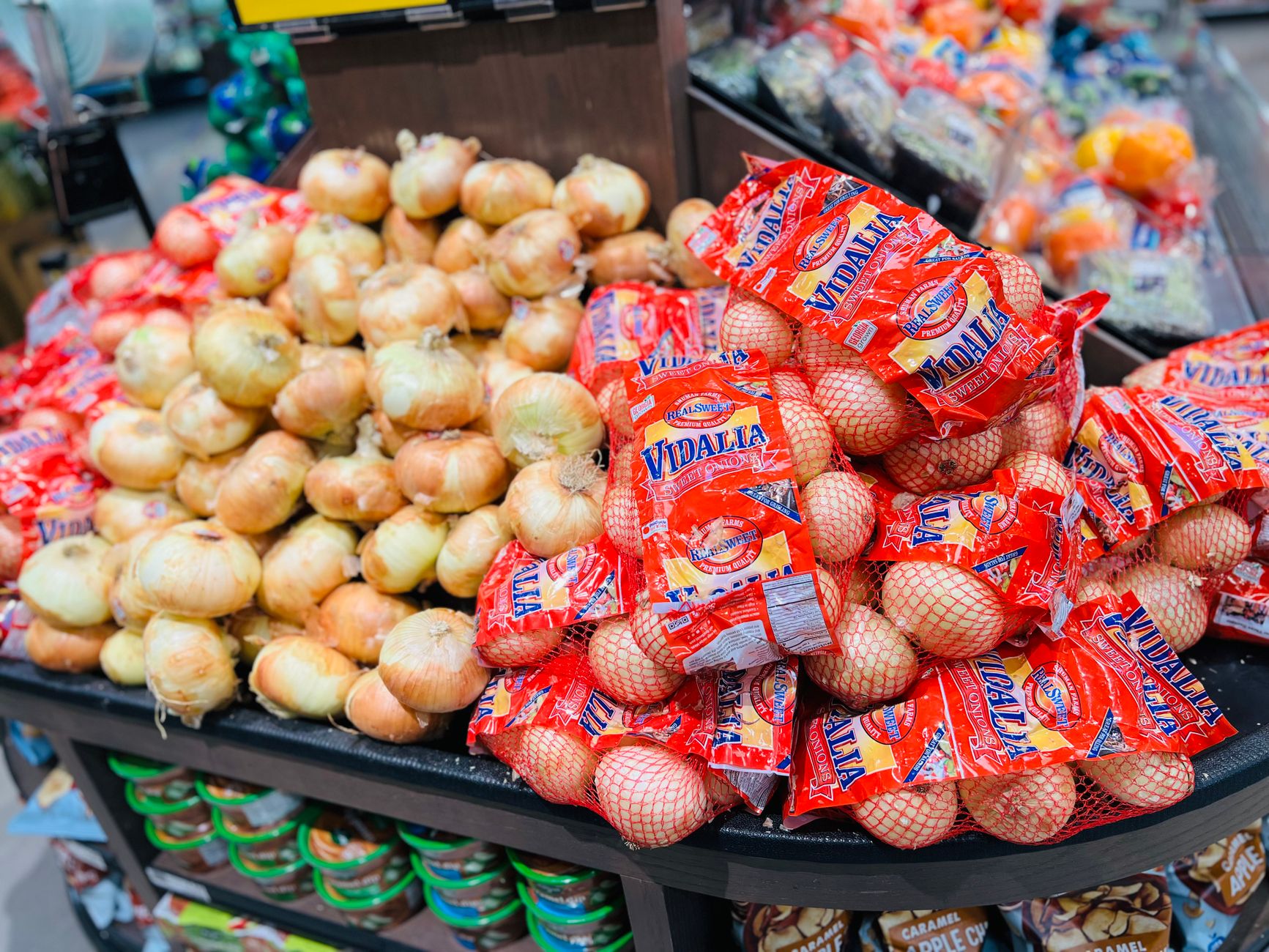
Onions are a staple in kitchens around the world, often used to enhance the flavor of countless dishes. Among the many varieties, sweet onions and yellow onions are two that frequently create confusion among home cooks. Distinguishing between these two types is crucial for achieving the desired flavor and texture in recipes.
Understanding their differences can help you select the right onion for your dishes. In this guide, we’ll explore the characteristics of sweet onions and yellow onions, how they differ in taste and texture, and how to use them effectively in cooking.
Is Sweet Onion the Same as Yellow Onion?
No, sweet onions are not the same as yellow onions. While both belong to the same species, Allium cepa, they differ in flavor, sugar content, and culinary applications. Sweet onions are usually milder and more palatable raw than yellow onions, making them ideal for salads and fresh dishes.
Understanding Sweet Onions
Sweet onions, such as Vidalia, Walla Walla, and Maui, are known for their high sugar content and low sulfur compounds. This unique composition gives them their mild sweetness and makes them less pungent compared to other onion varieties. They have a crisp texture and juicy flesh, making them perfect for raw applications.
Characteristics of Sweet Onions
- Sugar content: Higher than yellow onions, which contributes to their sweetness.
- Flavor: Milder, sweeter, and less pungent, making them great for salads.
- Texture: Crisp and juicy, ideal for fresh preparations.
- Varietals: Common types include Vidalia, Maui, and Walla Walla, each with distinct growing regions.
Culinary Uses for Sweet Onions
These onions shine in recipes where their natural sweetness can be highlighted. Here are a few ways to incorporate sweet onions:
- Raw in salads or salsas.
- Caramelized for toppings on pizzas or burgers.
- Grilled or roasted as a side dish.
- Included in relishes or dips.
Understanding Yellow Onions
Yellow onions are the most commonly used variety in cooking, providing a stronger flavor and aroma than sweet onions. They contain more sulfur compounds, contributing to their robust taste. Yellow onions are often used as a base for soups, stews, and other cooked dishes.
Characteristics of Yellow Onions
- Sugar content: Lower than sweet onions, resulting in more pronounced pungency.
- Flavor: Bold and tangy, making them versatile for cooking.
- Texture: Firm and slightly crunchy, great for various cooking methods.
- Varietals: While there are several types, the common yellow onion is the most prevalent.
Culinary Uses for Yellow Onions
Yellow onions are a kitchen workhorse due to their versatility. Here’s how you might typically use them:
- As a base for stocks and soups.
- Sautéed for flavor in numerous dishes.
- Caramelized to add depth and sweetness.
- Baked or roasted in various recipes.
Flavor Profile Comparison: Sweet vs. Yellow Onions
| Aspect | Sweet Onion | Yellow Onion |
|---|---|---|
| Taste | Mild and sweet | Strong and pungent |
| Texture | Crisp and juicy | Firm and slightly crunchy |
| Usage | Raw and lightly cooked | Cooked in various dishes |
Choosing the Right Onion for Your Recipe
When selecting an onion for your dish, consider the following factors:
- Raw versus cooked: Use sweet onions when the onion will be eaten raw, and yellow onions when cooking.
- Flavor profile: Choose yellow onions for dishes needing a robust flavor.
- Dish type: Certain recipes may tend to prefer one over the other, like sweet onion for salads and yellow for soups.
Substitutions: What to Use and When
If you need to substitute one type of onion for another, keep the following points in mind:
- Sweet Onion for Yellow Onion: Use sweet onion if you want to add a milder flavor, but adjust the cooking time as they cook differently.
- Yellow Onion for Sweet Onion: This may affect the overall sweetness, so consider adding a touch of sugar to balance the flavors.
Common Mistakes When Using Onions
Even experienced cooks sometimes make mistakes with onions. Here are a few to watch out for:
- Assuming all onions have the same flavor: Always consider the variety you’re using for your dish.
- Not adjusting cooking time: Sweet onions tend to cook faster due to their water content.
- Using sweet onions where pungency is required: Save sweet onions for salads and lighter dishes, not heavily seasoned ones.
Popular Dishes Featuring Sweet and Yellow Onions
Both sweet and yellow onions can elevate your dishes considerably. Below are some classic recipes to highlight each type:
Sweet Onion Recipes
- Creamed Onions: A simple yet creamy side dish that perfectly showcases the sweet mildness of sweet onions.
- Grilled Sweet Onion Burgers: Adding sliced sweet onions to your burgers enhances their sweetness and flavor.
- Sweet Onion Salsa: Fresh diced sweet onions combined with tomatoes, cilantro, and lime make for a refreshing salsa.
Yellow Onion Recipes
- French Onion Soup: A classic dish that features the deep, caramelized flavor of yellow onions.
- Caramelized Onion Tart: A savory tart that emphasizes the rich flavor of yellow onions when cooked down.
- Sauteed Onions and Peppers: Perfect for topping off your favorite proteins or enhancing a vegetable dish.
Tips for Storing Onions
Proper storage is key to maintaining the freshness and flavor of your onions:
- Store onions in a cool, dark, and well-ventilated place, away from potatoes and other fruits that may release moisture.
- Do not refrigerate unpeeled onions, as this can lead to rot.
- If sliced, store the onion in an airtight container in the refrigerator and use within a week.
How to Cut Onions – A Practical Guide
Cutting onions can sometimes be tear-inducing. Follow this simple method to minimize tears and maximize efficiency:
- Using a sharp knife, cut off the root end but leave the stem end intact.
- Peel off the outer layers.
- Cut the onion in half from top to bottom.
- Make parallel cuts horizontally and vertically, aiming for your desired dice size.
- Finally, cut through the vertical and horizontal cuts to create diced pieces. Use the whole onion without waste.
Conclusion
Choosing between sweet onions and yellow onions largely depends on the dish you’re preparing. Sweet onions are ideal when you want a milder, sweeter flavor, while yellow onions bring a robust and slightly sharp taste for cooked dishes. By understanding these differences, you can make informed decisions and enhance your culinary creations.
Explore more about cooking with onions or discover delicious recipes by checking out creamed onions and onion jam recipes. Happy cooking!