
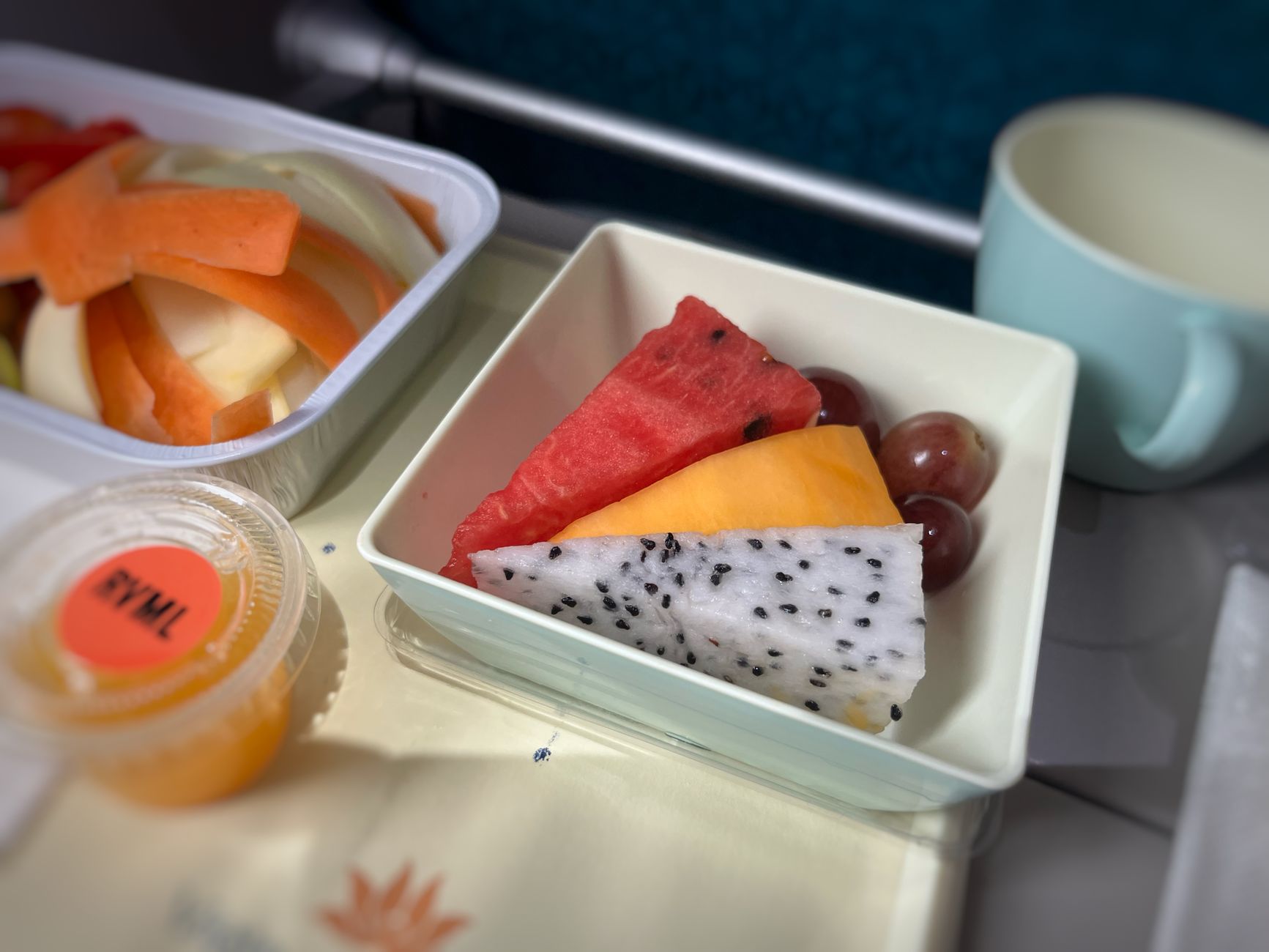
Understanding the specific culinary aspects of food can enhance your cooking skills and improve meal planning. One such intriguing topic is “When Food Rivera-Richards,” which leads to a deep exploration of flavor combinations, techniques, and ingredient uses. Whether you’re a novice cook or a seasoned chef, knowing when and how to incorporate key ingredients can elevate your dishes.
This article will delve into various aspects of food, including ingredient guides, cooking techniques, and practical tips for maximizing flavors. You’ll learn the best times to use certain foods, how to select ingredients, and how to manipulate textures and flavors in your kitchen.
What Does “When Food Rivera-Richards” Refer To?
“When Food Rivera-Richards” is not a commonly recognized phrase in culinary literature but relates to food pairing, preparation methods, and timing. It suggests a focus on when to utilize specific ingredients for optimal flavor and texture in cooking. By grasping these insights, you can create delicious and balanced dishes.
Essential Culinary Techniques for Flavor Maximization
Sautéing
Sautéing is a quick cooking method that involves cooking food in a small amount of oil or fat over high heat. This method is perfect for vegetables and proteins, allowing for caramelization that enhances flavors.
- Ideal Ingredients: Garlic, onions, peppers, and mushrooms.
- Preparation: Use fresh, chopped vegetables and season with salt and pepper; for proteins, ensure they are cut into uniform pieces for even cooking.
- Common Mistakes: Overcrowding the pan and not preheating the oil can lead to steaming instead of sautéing. Aim for a single layer of ingredients.
Roasting
Roasting transforms the texture and flavor of food, especially vegetables, by concentrating their natural sugars and creating a crispy exterior. This method is versatile for various types of produce and meats.
- Best Vegetables: Root vegetables like carrots, potatoes, and Brussels sprouts.
- Temperature: Preheat your oven to 400°F (200°C) for optimal roasting. Ensure the vegetables are evenly coated with oil, salt, and spices.
- Visual Cues: Look for a deep golden color and slight charring on the edges.
Steaming
Steaming is a healthy cooking technique that preserves nutrients and flavors. Ideal for vegetables, it helps retain their bright colors and natural taste.
- Perfect Ingredients: Broccoli, green beans, and fish.
- Method: Place food in a steamer basket over boiling water, cover, and cook until tender. Timing is crucial, generally 5-7 minutes for most vegetables.
- Common Errors: Overcooking can lead to a mushy texture. Check for doneness by piercing with a fork.
Ingredient Guide: Key Flavors to Utilize
In culinary arts, ingredients provide a foundational flavor profile. Understanding when to use them adds depth to your dishes. Below are some key ingredients and their best uses.
Herbs
Herbs enhance dishes with freshness and aroma. Here’s how to incorporate them effectively:
- Basil: Best added at the end of cooking to retain its fresh flavor. Great in tomato-based sauces and salads.
- Rosemary: Use it in hearty dishes and roasts. When incorporating, chop finely for even distribution.
Spices
Spices can alter a dish’s character significantly; knowing when to add them is key.
- Cumin: Ideal to toast before adding other ingredients in dishes like curries, providing depth of flavor.
- Cinnamon: Commonly used in both sweet and savory dishes, add early in cooking to mellow its strong flavor.
Citrus Fruits
Citrus fruits brighten dishes. Their juices and zests can elevate flavors.
- Lemon: Best used fresh at the end of cooking for maximum brightness; great in dressings and marinades.
- Orange: Use zest in sweet dishes and juices in savory ones to add a sweet, tangy flavor.
How to Effectively Plan Your Meals
Meal planning can save time and reduce food waste while ensuring your nutritional needs are met. Here’s a practical approach to meal planning:
Planning Steps
- Choose a Theme: This can be based on a cuisine, such as Italian or Mexican, or a dietary focus like vegetarian.
- Select Recipes: Research recipes that make use of similar ingredients to minimize waste.
- Create a Grocery List: List ingredients by category (produce, dairy, proteins) for efficient shopping.
- Prep in Advance: Select a day to wash and chop vegetables, cook grains, or marinate proteins to streamline cooking during the week.
Budget Cooking Tips
Savvy shoppers can still provide delicious meals without breaking the bank. Some of these tricks include:
- Choose Seasonal Produce: Opt for fruits and vegetables that are in season; they are more flavorful and cost-effective.
- Buy in Bulk: Purchase grains, beans, and spices in bulk to save money over time.
- Plan for Leftovers: Cook larger portions to repurpose ingredients into new meals later in the week.
Ingredient Substitution Guide
Sometimes, you might find yourself missing an ingredient. Here’s a guide for when you need alternatives.
Common Substitutions
- Buttermilk: Substitute with one cup of milk mixed with one tablespoon of lemon juice or vinegar, allowing it to sit for 5 minutes before using.
- Sour Cream: Greek yogurt can replace sour cream in dips and dressings without compromising flavor.
- Rice: Quinoa is an excellent gluten-free alternative that cooks similarly.
- Eggs: For vegan alternatives, use 1/4 cup applesauce or 1 tablespoon ground flaxseed mixed with 2.5 tablespoons water per egg.
Common Mistakes to Avoid in Cooking
A few common pitfalls can hinder food preparation. Here are some mistakes to avoid:
Overcooking
Overcooking vegetables or proteins can ruin their taste and texture. Always follow recommended cooking times and check doneness visually whenever possible.
Neglecting Flavor Balance
Season your dishes as you prepare them. Balancing salt, acidity, and sweetness can elevate your meal. Taste frequently!
Ignoring Temperatures
For instance, adding cold ingredients to hot pans can lower cooking temperatures and affect texture. Bring ingredients like eggs or dairy to room temperature to avoid this issue.
Storing and Reheating Food Safely
Food safety is crucial in the kitchen. Proper storage and reheating can affect flavor, texture, and health. Here are some tips:
Cooling and Storing
- Cool leftovers to room temperature before refrigerating to avoid bacterial growth.
- Store food in airtight containers, labeling with the date to monitor freshness.
Reheating
When reheating food, aim for an internal temperature of 165°F (74°C) to ensure safety. Use a food thermometer for accuracy.
Serving Suggestions for Enhanced Enjoyment
The presentation of dishes can enhance the dining experience. Here are ways to spruce up your meals:
- Use Garnishes: Fresh herbs or a sprinkle of cheese can add color and flavor.
- Focus on Plating: Experiment with different plating techniques, like stacking or layering.
- Pair with Appropriate Sides: Balance your main dish with complementary sides, ensuring variety in flavors and textures.
Exploring Global Cuisines
Cuisines around the world offer many flavors and techniques that enhance your culinary repertoire. Consider exploring:
- Italian: Known for its use of fresh herbs and regional ingredients, Italian cuisine emphasizes simple flavors.
- Japanese: Focuses on seasonality, fresh seafood, and a balance of flavors; the use of umami is a hallmark.
- Mexican: Rich in spices and vibrant flavors, it often highlights the use of local ingredients like corn, beans, and chilies.
Final Thoughts and Next Steps
Incorporating the knowledge obtained about food preparation, ingredient use, and various cooking techniques will undoubtedly enhance your culinary skills. Understanding when to use specific food elements can make a remarkable difference in taste and presentation.
As you continue your kitchen journey, explore practical ingredient substitutions or discover what molasses is made from by checking our related resources. Expand your cooking knowledge, build your meal plans effectively, and experiment with diverse cuisines!