
Many people are discovering the benefits of lactose-free yogurt, whether due to lactose intolerance or dietary preferences. This guide aims to help you navigate the variety of lactose-free yogurts available and understand their ingredients, flavors, and how they can fit into your diet. From creamy textures to nutritional values, keep reading to find out everything you need to know.
When it comes to choosing the right yogurt, it’s essential to know what to look for if you are avoiding lactose. Lactose-free yogurt options have become increasingly popular, allowing more individuals to enjoy the creamy delight of yogurt without discomfort. In this article, we’ll explore various types of lactose-free yogurts and give you essential details to help you make an informed decision.
What Yogurt Is Lactose Free?
Lactose-free yogurt is typically made with milk that has been processed to remove the lactose or with the addition of lactase, an enzyme that breaks down lactose. The most common types of lactose-free yogurt include traditional yogurt brands that specifically label their products as lactose-free, as well as non-dairy alternatives like coconut, almond, and soy yogurt. Lactose-free yogurts maintain the same creamy texture and tangy taste as regular yogurt, making them a great alternative for those sensitive to lactose.
Types of Lactose-Free Yogurt
When it comes to lactose-free yogurt, you have a few primary options to consider:
- Traditional Lactose-Free Yogurt: Made from cow’s milk that has had lactose removed or has been treated with lactase.
- Greek Yogurt: A thicker version of yogurt that can also be found in lactose-free varieties, retaining its higher protein content.
- Non-Dairy Yogurt Alternatives: Made from plant-based milks, including almond, coconut, soy, and oat, catering to various dietary requirements.
- Flavored Lactose-Free Yogurts: Often available in various flavors, these are made with traditional or non-dairy bases, sweetened and flavored for taste.
Ingredients to Look For
The ingredients in yogurt can vary significantly between brands and types. Here’s what you should be aware of when checking out lactose-free yogurts:
For Traditional Lactose-Free Yogurts
- Milk: The main ingredient; check if it’s whole, low-fat, or skimmed based on your preferences.
- Lactase: Enzyme added to break down lactose; necessary for lactose-free products.
- Live Active Cultures: Essential probiotics for gut health; look for terms like “live active cultures,” “Lactobacillus,” or “bifidobacterium.”
- Thickeners: Some brands may add thickeners like pectin or gelatin, but these are optional and depend on the texture desired.
For Non-Dairy Yogurts
- Plant-Based Milk: Check if it’s made from almond, coconut, soy, or other sources.
- Stabilizers and Thickeners: Common in non-dairy yogurts; can include tapioca starch or locust bean gum.
- Fortified Nutrients: Some brands add vitamins like B12 and calcium to mimic dairy yogurt.
- Flavorings: Look for natural flavors, as some brands may contain artificial flavors and sweeteners.
Popular Brands of Lactose-Free Yogurt
Many brands offer lactose-free options. Here’s a rundown of some popular choices:
- Chobani: Known for its wide array of lactose-free options, including Greek yogurt.
- Dannon Oikos: Offers lactose-free Greek yogurt with several flavor options.
- Silk: A leading non-dairy yogurt brand, with flavors in almond and soy-based yogurts.
- So Delicious: Specializes in coconut milk yogurt, rich in flavor and often free from dairy.
- Yoplait: Features a lactose-free yogurt line that offers various flavors, appealing to different tastes.
How to Incorporate Lactose-Free Yogurt into Your Diet
Lactose-free yogurt is versatile and can be introduced into your meals in various ways. Here are some simple suggestions:
Breakfast Ideas
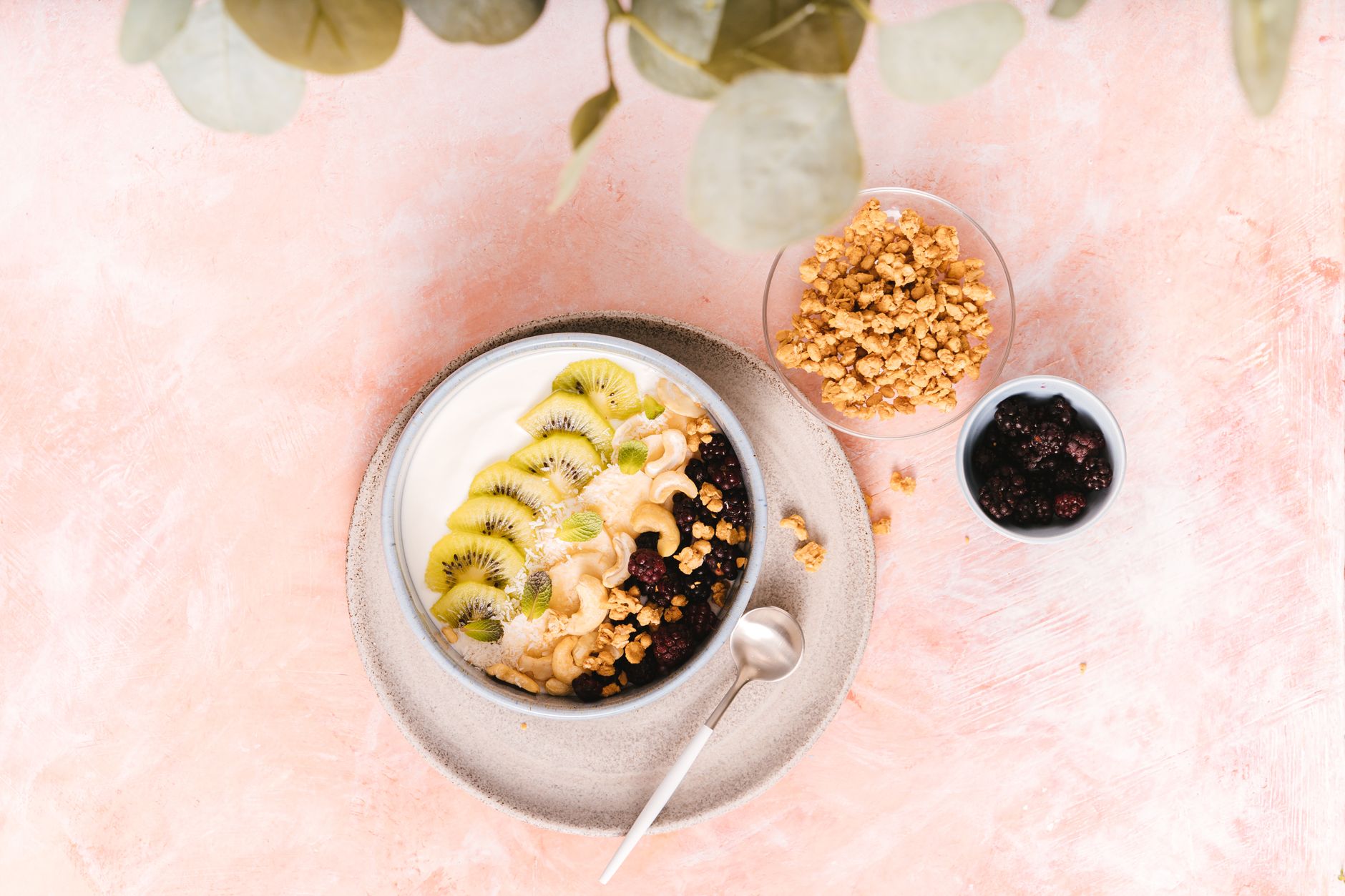
- Fruit and Yogurt Parfait: Layer lactose-free yogurt with your favorite fruits and nuts for a wholesome breakfast.
- Smoothies: Blend lactose-free yogurt with fruits and a handful of spinach for a nutritious boost.
- Overnight Oats: Combine oats with lactose-free yogurt, milk, and sweeteners, letting it soak overnight for quick morning nutrition.
Lunch and Dinner Ideas
- Salad Dressings: Use lactose-free yogurt as a base for creamy dressings, mixing with herbs and spices.
- Cooking: Substitute traditional sour cream with lactose-free yogurt in recipes like dips or soups.
- Wraps and Sandwiches: Spread lactose-free yogurt mixed with herbs on wraps and sandwiches for extra flavor.
Dessert Alternatives
- Frozen Yogurt: Blend yogurt with fruits and freeze for a healthier dessert alternative.
- Homemade Cheesecake: Use lactose-free yogurt in cheesecake recipes as a creamy base.
- Garnish and Toppings: Sweeten yogurt with honey or maple syrup and serve with fruit for a light dessert.
Dietary Considerations
If you are managing lactose intolerance or other dietary restrictions, consider these factors:
Lactose Intolerance
People with lactose intolerance may experience digestive discomfort when consuming regular dairy products. Lactose-free yogurt allows these individuals to enjoy yogurt without the associated symptoms, thanks to the breakdown of lactose.
Vegan and Plant-Based Diets
Many lactose-free options cater to vegans and those following a plant-based diet. Non-dairy yogurts are often fortified with necessary nutrients, though it’s wise to check labels for any additives.
Allergy Considerations
- If you have a dairy allergy, ensure your lactose-free yogurt options are genuinely dairy-free, such as coconut or almond yogurt.
- For nut allergies, opt for soy or oat-based yogurts instead of those made with almonds or cashew products.
How to Select and Store Lactose-Free Yogurt
Selecting and storing your yogurt properly is crucial to maintain its quality and health benefits. Here’s how:
Selecting Yogurt
- Check Expiration Dates: Always pick the freshest options and check the “sell by” date.
- Consider Ingredients: Choose yogurts with minimal ingredients, especially if you’re looking for healthier options.
- Taste and Texture: Firmness and tanginess can vary widely; don’t hesitate to try different brands until you find your favorite.
Storing Your Yogurt
- Refrigeration: Store yogurt in the refrigerator at or below 40°F (4°C) to ensure freshness.
- Sealing: Ensure you close the lid tightly after each use to prevent contamination.
- Check for Spoilage: If yogurt has an off smell, discoloration, or mold, discard it immediately.
Common Mistakes When Choosing Lactose-Free Yogurt
- Ignoring Labels: Always read labels, as some products may not be entirely lactose-free or may contain added sugars.
- Not Trying Various Brands: Brands vary widely in flavor and consistency, so be open to experimenting with different options.
- Assuming Non-Dairy Means Lactose-Free: Non-dairy yogurts are free from lactose, but checking ingredients and allergens is vital.
Recipes Using Lactose-Free Yogurt
Here are a few simple recipes you can try using lactose-free yogurt:
Lactose-Free Yogurt Dip
Ingredients
- 1 cup lactose-free yogurt
- 1 tablespoon olive oil
- 1 teaspoon garlic powder
- 1 teaspoon dried dill
- Salt and pepper to taste
Instructions
- In a mixing bowl, combine lactose-free yogurt and olive oil.
- Add garlic powder, dill, salt, and pepper, and stir well to combine.
- Refrigerate for at least 30 minutes to let flavors meld; serve with veggies or chips.
Creamy Lactose-Free Yogurt Smoothie
Ingredients
- 1 cup lactose-free yogurt
- 1 ripe banana
- 1/2 cup spinach (optional)
- 1 cup almond milk (or any milk alternative)
- Honey or sweetener to taste (optional)
Instructions
- Combine all ingredients in a blender.
- Blend until smooth; adjust thickness with more milk if desired.
- Pour into a glass and enjoy immediately.
Conclusion
Lactose-free yogurt offers a delicious and versatile option for those managing lactose intolerance or adhering to a vegan diet. With numerous choices available, it’s easy to find a yogurt that fits your lifestyle.
Explore related recipes, cooking tips, or food guides to enhance your culinary experience like trying out a coconut milk chia pudding or a cottage cheese mousse for delightful meals.