
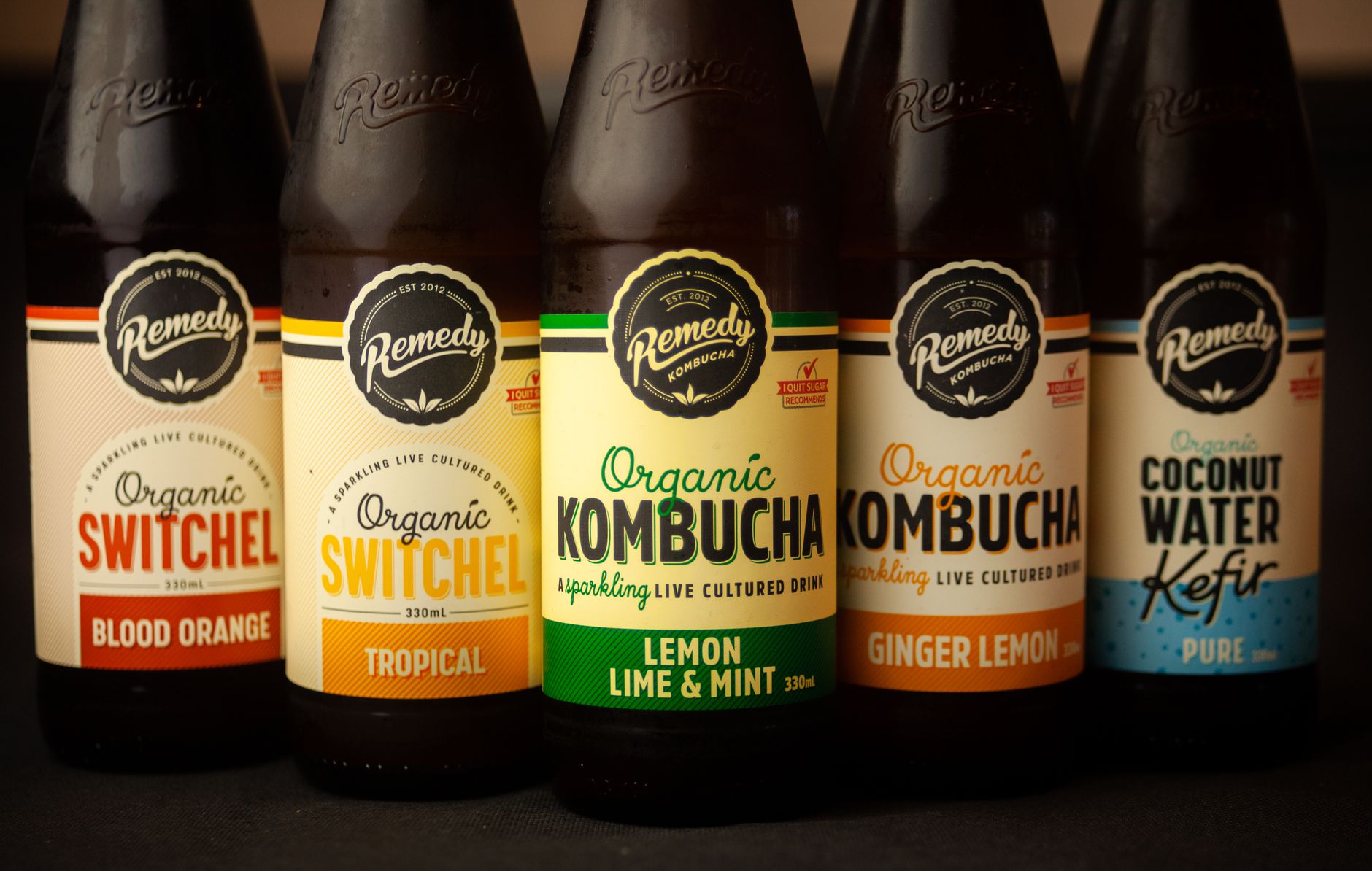
Kombucha, a fermented tea drink, has surged in popularity in recent years for its tangy flavor and purported health benefits. Among these, its potential positive impact on gut health is often highlighted, leading many to wonder, “Does Kombucha help with gut health?” Understanding how this bubbly beverage interacts with our digestive system requires a closer look at its ingredients, fermentation process, and nutritional profile.
This article will delve deep into kombucha’s composition, its possible effects on gut health, how it compares to other probiotic sources, and what to consider when incorporating it into your diet.
Does Kombucha Help With Gut Health?
Yes, kombucha may help with gut health due to its content of probiotics, which are beneficial bacteria that can aid in digestion and improve gut flora balance. However, the exact effects can vary from person to person, and it’s important not to rely solely on kombucha for gut health improvement.
Understanding the Basics of Kombucha
Kombucha is essentially sweetened tea that undergoes fermentation through a symbiotic culture of bacteria and yeast (SCOBY). This fermentation process not only produces carbon dioxide, creating the characteristic fizziness, but also generates several beneficial compounds.
- Ingredients: The primary ingredients in kombucha are brewed black or green tea, sugar, and the SCOBY.
- Fermentation Process: The SCOBY consumes sugar, and during this process, it produces various organic acids, including acetic acid, and a variety of probiotic strains.
- Flavor Profile: Kombucha can vary in flavor, depending on the types of tea used, the fermentation length, and added flavors from fruits or herbs.
Probiotics and Their Role in Gut Health
Probiotics are live microorganisms that can confer health benefits to the host, particularly by enhancing or restoring gut flora. A healthy gut flora is associated with improved digestion, absorption of nutrients, and a stronger immune system. Kombucha, through its fermentation process, tends to be rich in probiotics that can contribute to gut health.
Common Probiotic Strains Found in Kombucha
While the strains can vary, some common probiotics found in kombucha include:
- Lactobacillus: Known to aid in lactose digestion and may help reduce symptoms of diarrhea.
- Acetobacter: This strain is critical in producing acetic acid, which may help inhibit the growth of harmful bacteria.
- Bifidobacterium: Often linked with improved digestive function, particularly in the intestines.
The Benefits of Kombucha for Gut Health
1. Digestive Aid: The probiotics in kombucha may help break down food, assist in nutrient absorption, and prevent gastrointestinal issues like bloating and constipation.
2. Balancing Gut Flora: Regular consumption may help restore the balance of gut flora, especially after taking antibiotics or experiencing digestive disturbances.
3. Detoxification: Kombucha contains organic acids that may aid in detoxifying the system and preventing the growth of harmful bacteria.
4. Immune Support: A healthy gut is closely tied to a strong immune system; thus, improving gut health with probiotics can contribute to overall health.
Research and Evidence
While many individuals experience positive digestive changes after adding kombucha to their diets, scientific research on its effects is still somewhat limited. Some studies suggest that fermented foods rich in probiotics can greatly benefit gut health, but specific studies on kombucha are still emerging.
How to Incorporate Kombucha into Your Diet
Including kombucha in your daily diet can be straightforward. However, moderation is key. Here are some practical tips to get started:
- Start Slow: If you’re new to kombucha, begin with a small amount (around 4-6 ounces) to see how your body reacts.
- Use as a Beverage Substitute: Consider replacing soda or other sugary drinks with kombucha for a healthier alternative.
- Pair with Meals: Enjoy kombucha with meals to aid digestion, particularly if you tend to experience fullness or discomfort after eating.
- Check for Added Sugars: When buying commercially, opt for brands that have minimal added sugars and artificial flavors.
Potential Side Effects of Kombucha
While kombucha can be beneficial for many people, there are potential side effects and considerations to keep in mind:
- Alcohol Content: Since kombucha is fermented, it naturally contains some alcohol (typically under 0.5% ABV). Those sensitive to alcohol should be cautious.
- Excess Sugar: Some flavored varieties can contain high sugar levels, which may counteract the health benefits.
- Gut Reactions: Higher consumption can lead to digestive upset or bloating in some individuals, particularly if they are not accustomed to probiotics.
- Immunity Considerations: Individuals with compromised immune systems should consult a healthcare professional before consuming kombucha.
Comparing Kombucha with Other Probiotic Foods
Kombucha is just one of many sources of probiotics available today. Here’s how it stacks up against other popular probiotic foods:
| Food | Type of Probiotics | Health Benefits |
|---|---|---|
| Kefir | Lactobacillus, Bifidobacterium | Improves digestion, beneficial for lactose intolerance |
| Yogurt | Lactobacillus, Streptococcus | Supports gut flora balance, boosts immunity |
| Sauerkraut | Lactobacillus plantarum | Aids in digestion, high in vitamins and fiber |
| Kimchi | Lactobacillus, Leuconostoc | Enhances immunity, improves digestive health |
| Kombucha | Lactobacillus, Acetobacter | Potentially aids digestion and detoxifies |
Making Your Own Kombucha
For those keen on exploring kombucha further, consider brewing your own. Home-brewed kombucha can give you more control over the ingredients and flavors:
Basic Ingredients and Equipment Required
- 8 cups of water
- 1 cup of white or brown sugar
- 8 tea bags (black or green tea)
- 1 SCOBY
- 1-2 cups of unflavored store-bought kombucha (as a starter tea)
- A large glass jar (at least 1-gallon capacity)
- Cheesecloth or coffee filter (for covering)
- Rubber band (for securing the cover)
Step-by-Step Instructions
- Boil the water and dissolve the sugar completely.
- Add the tea bags and let steep for about 15-20 minutes.
- Remove the tea bags and allow the tea to cool to room temperature.
- Pour the cooled tea into the large jar and add the starter tea.
- Gently place the SCOBY on top. It may float or sink, which is normal.
- Cover the jar with cheesecloth or a coffee filter and secure it with a rubber band.
- Allow the mixture to ferment in a warm, dark place for 7 to 21 days, depending on desired taste.
- After the fermentation period, taste your kombucha. If it’s to your liking, remove the SCOBY and set it aside for your next batch.
- Bottle the kombucha and refrigerate it. You can add flavorings at this stage if desired.
Common Mistakes When Making Kombucha
When brewing your own kombucha, avoiding common mistakes can ensure a successful batch:
- Using All Types of Teas: Stick to black or green tea. Herbal teas can interfere with fermentation.
- Not Sanitizing Equipment: It’s crucial to avoid contamination; always clean and sanitize your utensils and jars.
- Ignoring Temperature: Kombucha ferments best between 68°F and 85°F; avoid extreme temperature fluctuations.
Storage and Shelf Life of Kombucha
When stored properly, homemade and store-bought kombucha can last a while. Here’s how to ensure its quality:
- Refrigeration: Keep kombucha in the refrigerator, where it can last up to 1 to 3 months.
- Check for Bubbles: If fermentation continues in the bottle, check for excess pressure. Bottles may cause fizzing when opened.
- Monitor Taste: If the flavor becomes too sour for your liking, it’s best to discard it.
Conclusion
Kombucha can be a delightful and potentially beneficial addition to your diet, offering probiotics that support gut health. Whether you choose to buy it or brew it yourself, enjoy it in moderation and observe how your body responds. Always consult a healthcare professional if you have specific health concerns or conditions that may affect your dietary choices.
To further explore the world of healthy foods, check out our guide on chia pudding recipes and learn about foods rich in probiotics.