
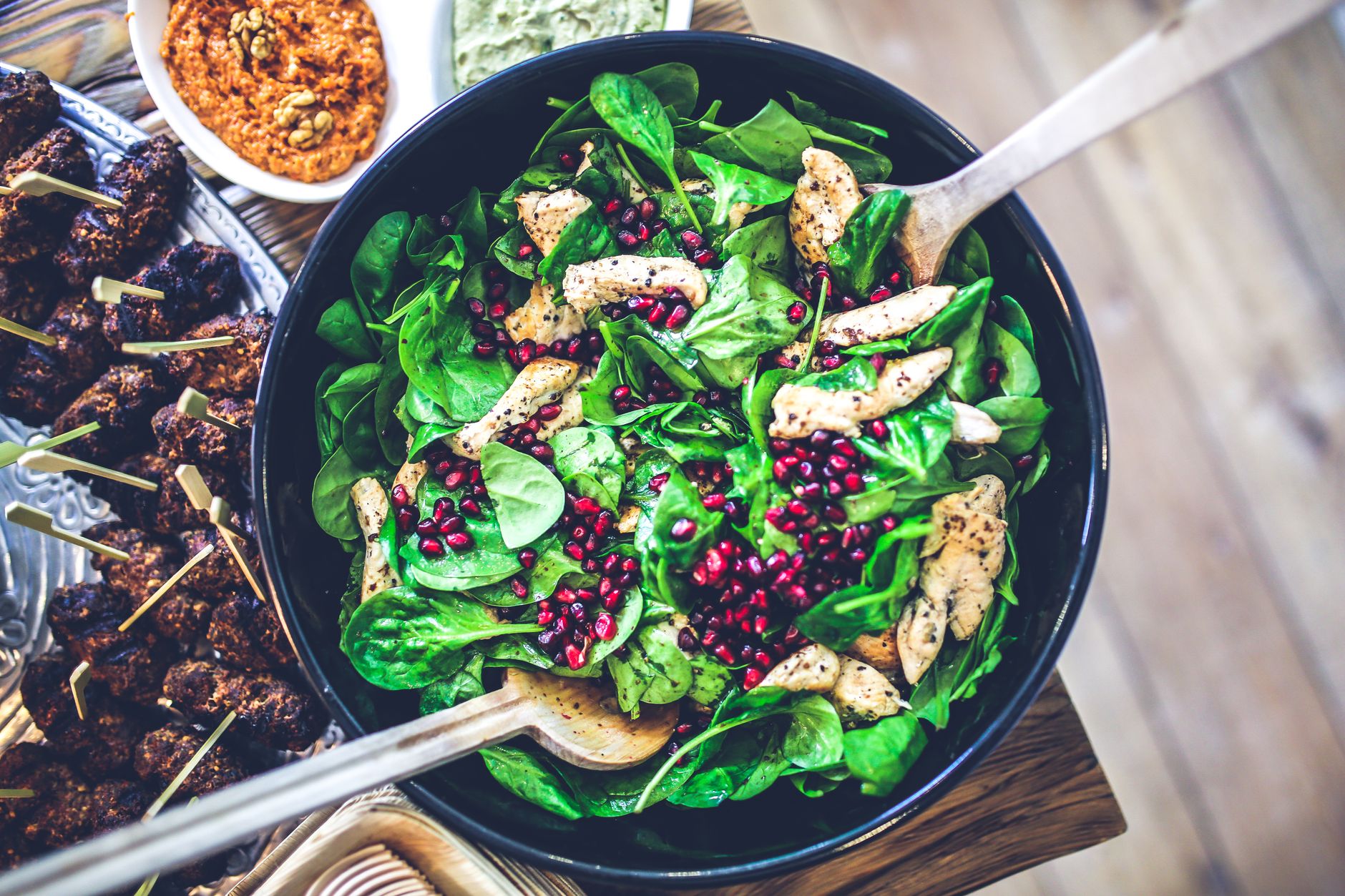
When it comes to choosing nutritious food, many people are overwhelmed by the numerous options available. What is nutritious can vary significantly based on individual dietary needs and preferences, as well as the food types being considered. In this article, we’ll explore various food comparisons, their nutritional benefits, and how they can be incorporated into a balanced meal plan.
We’ll break down nutritious foods by their taste, texture, and kitchen uses, helping you to make informed decisions in your cooking and meal preparation. Understanding what is more nutritious can lead you to healthier choices that suit your lifestyle.
What Is More Nutritious?
When comparing foods, determining which is more nutritious involves looking at their calorie content, protein, vitamins, minerals, and other beneficial compounds. Foods that are rich in nutrients while low in calories are generally considered more nutritious than those that contribute empty calories.
Vegetables vs. Fruits: Which Is More Nutritious?
Vegetables and fruits both play essential roles in a healthy diet, but they offer different nutritional benefits. Vegetables are typically lower in sugars and higher in dietary fiber, making them an excellent choice for keeping hunger at bay and supporting digestive health.
The Nutritional Profile of Vegetables
- Fiber: Vegetables are high in fiber, aiding digestion and promoting a feeling of fullness.
- Vitamins and Minerals: They are usually rich in vitamins A, C, K, and various B vitamins, as well as essential minerals like potassium and magnesium.
- Low in Calories: Most vegetables are low in calories, making them ideal for those looking to manage their weight.
Fruits: Benefits and Nutritional Value
- Natural Sugars: Fruits contain natural sugars, which provide quick energy, but moderation is key.
- Antioxidants: Many fruits are rich in antioxidants, which help combat oxidative stress and may reduce the risk of chronic diseases.
- Hydration: Many fruits have high water content, contributing to hydration.
Conclusion: Fruits vs. Vegetables
In conclusion, both vegetables and fruits are crucial for a nutritious diet. If forced to choose, consider aiming for vegetables due to their higher fiber content and lower sugar levels, promoting better satiety and health.
Whole Grains vs. Refined Grains: Which Is More Nutritious?
Whole grains are an excellent source of fiber, vitamins, and minerals compared to refined grains. Understanding the differences can guide you toward healthier choices in your meals.
The Superiority of Whole Grains
- Fiber-Rich: Whole grains retain their bran and germ, providing a higher fiber content.
- Vitamins and Minerals: They contain more nutrients such as magnesium, selenium, and B vitamins.
- Lower Glycemic Index: Whole grains have a lower glycemic index, leading to steadier blood sugar levels.
Refined Grains: What to Watch Out For
- Lower Nutritional Value: Refined grains have been processed to remove the bran and germ, stripping away fiber and nutrients.
- Higher Glycemic Index: They tend to spike blood sugar levels more quickly, which can lead to energy crashes.
- Added Sugars and Fat: Many refined grain products come laden with added sugars and fats, which can contribute to poor health outcomes.
Conclusion: Whole Grains vs. Refined Grains
Whole grains are undoubtedly more nutritious than refined grains. When choosing grains, opt for whole grain bread, brown rice, quinoa, and oats to reap the maximum health benefits.
Animal Protein vs. Plant Protein: Which Is More Nutritious?
Protein is a crucial nutrient for building and repairing tissues, and it’s essential for various bodily functions. Understanding the differences between animal and plant protein sources can assist you in making informed dietary choices.
The Benefits of Animal Proteins
- Complete Proteins: Animal proteins contain all nine essential amino acids, making them complete proteins.
- Rich in Nutrients: Many animal protein sources are rich in important nutrients like iron, zinc, and B vitamins.
- High Biological Value: These proteins are typically easier for the body to utilize compared to plant proteins.
Exploring Plant Proteins
- Heart-Healthy: Plant proteins often come without the saturated fats present in some animal proteins.
- Rich in Fiber: Many plant protein sources also provide dietary fiber, contributing to digestive health.
- Nutrient-Dense: Foods like legumes, nuts, and seeds are rich in various vitamins and minerals.
Conclusion: Animal Protein vs. Plant Protein
If you consume a balanced diet, both animal and plant proteins can fit in healthfully. For those looking for lower fat options, plant proteins can be a more nutritious choice, but incorporating various protein sources is key to a balanced diet.
Dairy vs. Non-Dairy Alternatives: Which Is More Nutritious?
With the rise of lactose intolerance and dairy-free diets, many are turning to non-dairy alternatives. It’s important to assess which options are the most nutritious.
The Benefits of Dairy
- Calcium-Rich: Dairy products are a great source of calcium, crucial for bone health.
- Protein Source: They provide substantial amounts of protein, particularly Greek yogurt and cheese.
- Vitamins: Dairy products are often fortified with vitamins D and A.
Evaluating Non-Dairy Alternatives
- Fortification: Many non-dairy options are fortified with calcium and vitamins but can vary widely in nutritional value.
- Lower Protein: Most non-dairy milks such as almond or rice milk contain less protein than dairy.
- Added Sugars: Some alternatives may have added sugars, warranting attention on the ingredient label.
Conclusion: Dairy vs. Non-Dairy Alternatives
Dairy and fortified non-dairy alternatives can both fit into a nutritious diet. If you opt for non-dairy products, choose those fortified with calcium and vitamins for optimal nutritional benefit.
Cooking Methods: What Is More Nutritious?
The way food is prepared can significantly affect its nutritional value. Some cooking methods retain nutrients better than others. Understanding this can help you maximize the health benefits of your meals.
Healthy Cooking Techniques
- Steaming: This preserves vitamins and minerals while requiring no added fat.
- Grilling: Less fat is needed, and excess fat drips away from the food.
- Sautéing: Using minimal healthy oils while cooking can retain the food’s crunch and nutrients.
Less Nutritious Cooking Methods
- Frying: This method often adds significant calories and can create unhealthy fats.
- Boiling: Many vitamins, especially water-soluble ones, can leach into the cooking water.
- Microwaving: Though quick, excessive cooking times can destroy nutrients.
Conclusion: Cooking Methods and Nutritional Value
Choosing healthy cooking techniques over less nutritious ones can significantly enhance the health benefits of your meals. Opt for steaming, grilling, and sautéing to maximize nutrient retention and flavor.
Choosing the Right Fats: Which Is More Nutritious?
Fats often get a bad rap, but they are essential for a healthy diet. The key is knowing which fats to incorporate into your meals.
Healthy Fats: Sources and Benefits
- Monounsaturated Fats: Found in olive oil, avocado, and nuts, these fats help reduce bad cholesterol levels.
- Omega-3 Fatty Acids: Present in fatty fish, flaxseeds, and walnuts, these reduce inflammation and promote heart health.
- Natural Unsaturated Fats: Used sparingly, unsaturated fats are vital for hormone production and cell health.
Fats to Limit
- Saturated Fats: Mostly found in animal products and full-fat dairy, these should be consumed in moderation.
- Trans Fats: Found in some processed foods, these are harmful and should be avoided altogether.
Conclusion: Understanding Fats
Choosing healthy fats over unhealthy ones can contribute to a balanced diet. Favor monounsaturated and omega-3 sources while limiting saturated and avoiding trans fats for better health.
Meal Planning: Putting Nutritional Knowledge into Practice
Understanding what is more nutritious requires effective meal planning. This ensures you incorporate a variety of foods that are both healthy and satisfying. Here’s how you can create a balanced meal plan.
Building a Balanced Meal
- Vegetable Variety: Aim to fill half your plate with vegetables of various colors for a range of nutrients.
- Whole Grains: Include whole grains as the base of your meals for added fiber.
- Protein Power: Select a source of protein, whether animal or plant-based, to support bodily functions.
- Healthy Fats: Include a small serving of healthy fats to round out the meal.
Example of a Balanced Daily Meal Plan
| Meal | Example Foods | Nutritional Focus |
|---|---|---|
| Breakfast | Oatmeal topped with berries and nuts | Whole grains, fiber, vitamins |
| Lunch | Quinoa salad with mixed vegetables and chickpeas | Plant protein, fiber, antioxidants |
| Dinner | Grilled salmon with brown rice and steamed broccoli | Omega-3s, whole grains, vitamins |
| Snack | Greek yogurt with honey and sliced almonds | Protein, healthy fats, probiotics |
Conclusion: Practical Meal Planning
Effective meal planning helps you to incorporate a variety of nutritious foods into your diet daily. Focus on building meals around vegetables, whole grains, and a good mix of proteins to gain the most nutritional benefits.
Summing Up Nutritional Choices
In exploring what is more nutritious, the focus should be on selecting whole, minimally processed foods that provide essential nutrients. Whether it’s choosing between fruits and vegetables, whole grains and refined grains, or different protein sources, understanding their benefits can lead to healthier eating habits.
Emphasizing healthy cooking methods and meal planning can further enhance the nutritional quality of your food. Remember, balance is key; incorporating variety will ensure you receive all the nutrients essential for optimal health.
For further insights into nutritious foods, explore the benefits of chia seeds or learn how long ground beef is good for in the fridge. These topics will help you make informed and healthy choices in your kitchen.