
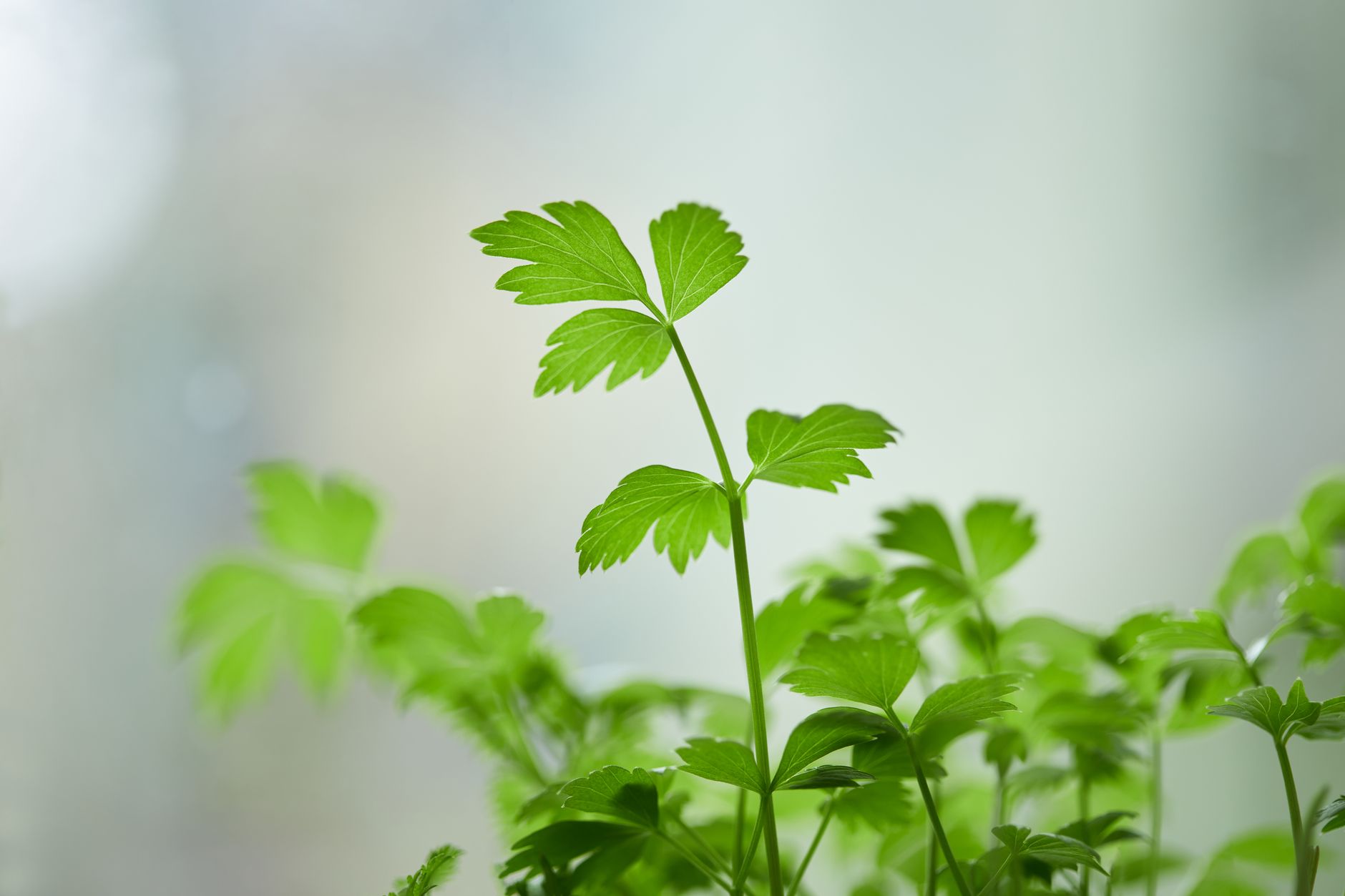
Parsley is often seen as a simple garnish, but it plays a crucial role in enhancing the flavor and presentation of a variety of dishes. This versatile herb, renowned for its vibrant green leaves, comes in several varieties, including curly and flat-leaf (or Italian) parsley, each with its unique characteristics.
Understanding what parsley is good for in cooking can open up new avenues in the kitchen, allowing you to make the most of this humble yet powerful ingredient. From flavoring to decoration and healthy benefits, parsley has much to offer. Let’s dive deeper into its culinary uses, storage tips, safety considerations, and some practical applications.
What Is Parsley Good For In Cooking?
Parsley is good for enhancing flavors, adding freshness to dishes, and providing visual appeal. Its slightly peppery and earthy taste complements a variety of ingredients, making it ideal for salads, soups, sauces, marinades, and countless other dishes. Furthermore, its health benefits, including high vitamin K content, make it a nutritious addition to meals.
Flavor Profile of Parsley
Parsley has a bright, fresh flavor that’s somewhat peppery with a hint of bitterness. The two primary types of parsley used in cooking are:
- Curly Parsley: Often used as a garnish, it has a mild taste and a frilly texture.
- Flat-leaf (Italian) Parsley: Preferred by chefs for its more robust flavor and larger, smoother leaves.
When fresh, parsley is aromatic, with a green, grassy scent that enlivens a dish. The flavor can be described as a combination of pepper and a grassy note, making it suitable for both raw and cooked applications.
Culinary Applications of Parsley
Parsley’s versatility enables it to shine in numerous culinary techniques and recipes.
1. Fresh Salads and Dressings
Parsley is an excellent addition to fresh salads and dressings. Chopped parsley adds a burst of freshness and color. It pairs well with other ingredients, like tomatoes, cucumbers, and feta cheese. You can mix it into homemade salad dressings to enhance flavors.
2. Soups and Stews
Add parsley to soups and stews for a bright flavor boost. It can be used as a base flavor when sautéed with onions or added as a fresh garnish before serving. Parsley can enhance the heartiness of vegetable soups or broths.
3. Sauces and Marinades
Parsley is essential in various sauces, including chimichurri, tabbouleh, and pesto. Its peppery notes add flavor complexity. When making marinades, mixing parsley with garlic, lemon juice, and olive oil brings delicious depth to grilled foods.
4. Garnishing Dishes
The visual impact of parsley cannot be understated. Fresh parsley leaves can brighten up a plate, making it more appetizing. Use it to garnish stews, roasted meats, pasta dishes, or seafood. The color contrast between the green parsley and other ingredients elevates the dish’s presentation.
5. Stuffings and Fillings
In various cuisines, parsley is used in stuffings for meats, fish, or vegetables. It provides moisture and flavor layering. Consider mixing chopped parsley into quinoa, rice, or breadcrumb-based stuffings for an enhanced taste.
6. Baked Goods
While often overlooked, parsley can be an excellent addition to certain baked goods, such as savory muffins or breads, where its flavor can complement cheese or other ingredients beautifully.
Nutritional Benefits of Parsley
In addition to its culinary uses, parsley also holds several nutritional benefits:
- Rich in Vitamins: Parsley is particularly high in vitamin K, important for bone health and blood clotting. It also contains vitamins A and C, which support immune function.
- Antioxidants: Parsley is loaded with antioxidants that help combat oxidative stress in the body.
- Digestive Health: Traditionally, parsley has been used to promote digestive health due to its natural compounds that may aid in digestion.
How to Select the Best Parsley
When choosing parsley, look for fresh, vibrant green leaves without yellowing or wilting. The leaves should be crisp and fragrant. It is often found in the herb section of the grocery store or at farmers’ markets.
Storing Parsley
Proper storage is key to maintaining parsley’s freshness. Here are some effective methods:
- Refrigeration: Store parsley in the refrigerator. Wrap it in a damp paper towel and place it in a resealable plastic bag. Alternatively, you can place the stems in a container with water like a bouquet, covering the leaves with a plastic bag.
- Freezing: For longer storage, parsley can be frozen. Clean and chop the leaves, then fill an ice cube tray with water or olive oil and freeze. Once frozen, transfer the cubes to a freezer bag for later use.
Cooking Safety Tips
While cooking with parsley, consider the following safety tips:
- Watch for Contaminants: Always wash parsley thoroughly under running water to remove dirt and any pesticides, even if you are using organic parsley.
- Hygiene Practices: Maintain cleanliness in your cooking area, especially when using parsley as a garnish. Avoid cross-contamination with raw meats or seafood.
Practical Substitutions for Parsley
If you find yourself without parsley, there are several suitable substitutes. While these may alter the flavor depending on the recipe, they can enhance a dish just as well. Consider these options:
- Cilantro: Offers a similar fresh flavor but with different aromatic notes. Use in salsa, dressings, or Asian-inspired dishes.
- Basil: A slightly sweeter alternative, excellent in Italian and Mediterranean dishes.
- Chives: Provide a mild onion flavor that can be a good alternative, particularly in salads and soups.
Common Mistakes When Using Parsley
Ensuring optimal flavor and presentation when cooking with parsley involves avoiding common mistakes:
- Using Dried Parsley Instead of Fresh: Dried parsley lacks the vibrant flavor and aroma of fresh parsley. When a recipe calls for fresh, try to stick with it!
- Overcooking Parsley: Adding parsley too early in cooking can result in a loss of flavor. For best results, add it toward the end of cooking for fresh dishes or as a garnish.
- Non-Washing: Neglecting to wash parsley thoroughly can lead to bitterness or dirt contamination.
Simple Recipes Featuring Parsley
To illustrate the uses of parsley, here are a few quick recipe ideas where parsley can take center stage.
1. Parsley Salad
This refreshing salad can highlight parsley in a delightful way.
- Ingredients:
- 1 bunch flat-leaf parsley, stems removed and leaves chopped
- 1 small cucumber, diced
- 1 tomato, diced
- 1/4 red onion, finely chopped
- Juice of 1 lemon
- 3 tbsp olive oil
- Salt and pepper to taste
- In a large bowl, combine the parsley, cucumber, tomato, and onion.
- In a small bowl, whisk together the lemon juice, olive oil, salt, and pepper.
- Pour the dressing over the salad and mix well before serving.
2. Chimichurri Sauce
A classic Argentine condiment perfect for grilled meats.
- Ingredients:
- 1 bunch parsley, leaves only
- 1/4 cup olive oil
- 2 tbsp red wine vinegar
- 2 garlic cloves, minced
- Salt and pepper to taste
- In a food processor, combine parsley, olive oil, vinegar, garlic, salt, and pepper.
- Pulse until well combined yet slightly chunky.
- Serve as a topping for grilled meats or vegetables.
Final Thoughts
Parsley is a multifaceted ingredient that offers more than just visual appeal. It enriches flavors, supports nutritional health, and enhances various dishes across countless cuisines. Understanding the many uses of parsley can help you make the most of this green herb in your culinary endeavors. Explore the world of parsley by incorporating it into your next dish, whether it’s a salad, sauce, or garnish.
To further explore cooking with herbs and unique flavor profiles, consider checking out our guides for green seasoning and a delectable pistachio pesto.