
Peanut butter is a beloved spread enjoyed by many around the globe. Its creamy texture and nutty flavor make it a versatile ingredient in everything from sandwiches to snacks. But have you ever wondered how this popular spread is made? In this article, we will explore the ingredient list, the process of making peanut butter, and tips for achieving the perfect texture and flavor.
Using simple ingredients and straightforward techniques, anyone can create delicious peanut butter at home. Whether you prefer it smooth or crunchy, we will guide you through each step, along with helpful tips for variations and storage.
How Is Peanut Butter Made?
Peanut butter is made by grinding roasted peanuts into a creamy or chunky paste, often with the addition of salt, sugar, or oils for flavor and consistency. The process combines two main ingredients: peanuts and oil, and optional flavorings that elevate its taste. This method can be easily replicated at home.
Ingredients for Homemade Peanut Butter
Making peanut butter at home requires minimal and straightforward ingredients. Here’s what you will need:
- 2 cups of unsalted roasted peanuts
- 1-2 tablespoons of oil (optional, for creaminess)
- 1/2 teaspoon of salt (optional, to taste)
- 1-2 tablespoons of sweetener (optional, such as honey or maple syrup)
Choosing Your Peanuts
When selecting peanuts, consider using raw, roasted, or dry-roasted peanuts. Roasted peanuts provide a richer flavor, while raw peanuts will need to be roasted beforehand. Look for high-quality peanuts that are fresh and free from any off-odors.
Optional Ingredients Explained
While peanut butter can certainly stand on its own, optional ingredients can enhance the overall flavor and texture:
- Oil: Adding a neutral oil such as vegetable or peanut oil can improve the spreadability of the butter, especially if the peanuts alone do not yield the desired creaminess.
- Salt: A pinch of salt balances the flavors and enhances the nutty taste. Adjust according to your preference.
- Sweetener: Depending on your taste, a touch of honey, sugar, or maple syrup can add an interesting sweetness that works well in sandwiches or snacks.
How to Make Peanut Butter: Step-by-Step
Creating peanut butter is a straightforward process that involves just a few basic steps. Here’s how to do it:
- Prepare the Ingredients: Gather your peanuts and optional ingredients. If using raw peanuts, roast them in the oven at 350°F (175°C) for 10-15 minutes, until golden and fragrant. Let them cool.
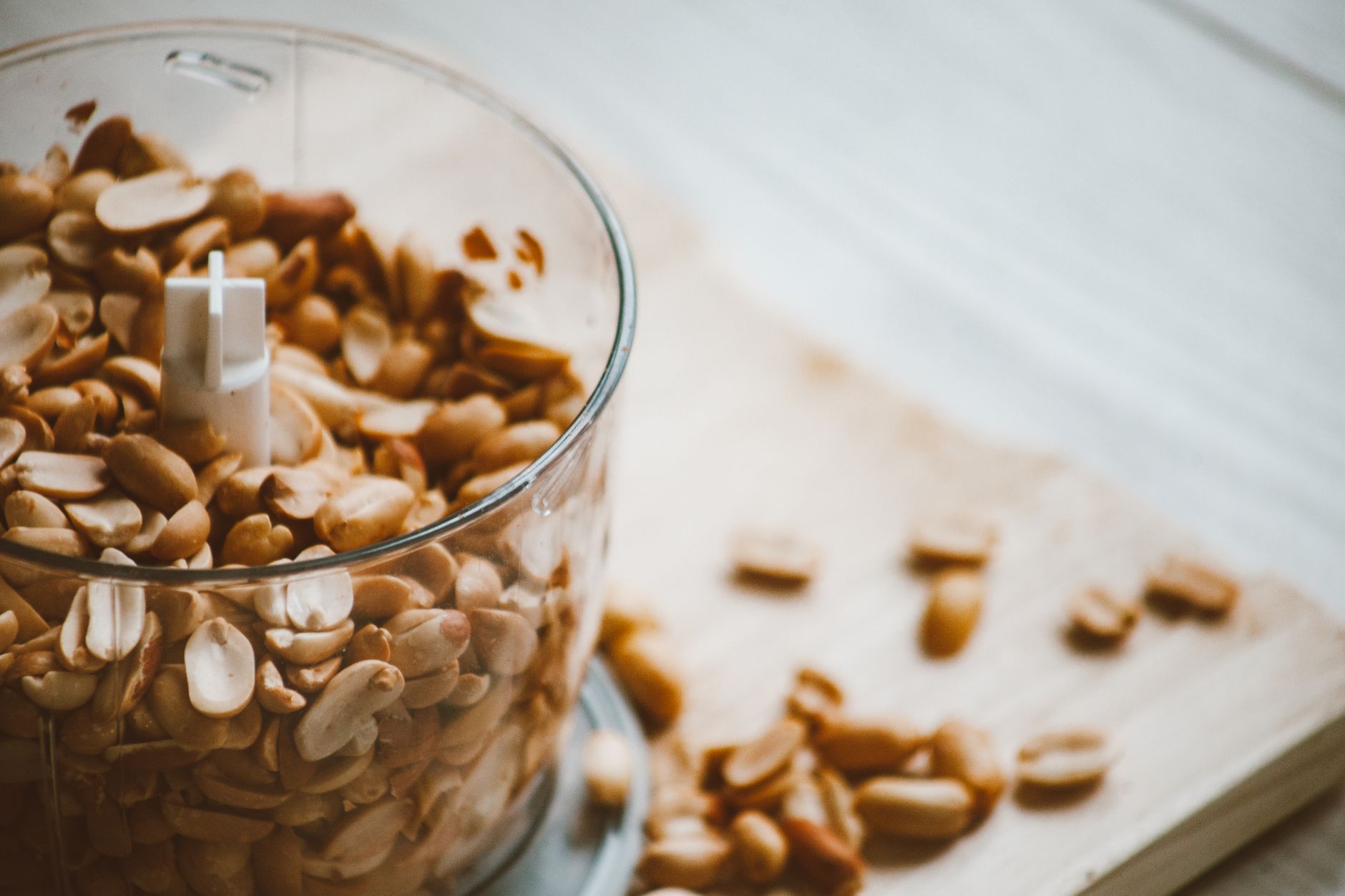
- Blend the Peanuts: Place the roasted peanuts in a food processor. Process them on high speed for about 1-2 minutes. Initially, the peanuts will turn into a powder-like texture.
- Scrape Down the Sides: Stop the processor and scrape down any peanut bits stuck to the sides. This ensures even blending.
- Continue Blending: Continue processing for an additional 2-3 minutes. The peanuts will slowly release their oils, and the mixture will become smoother and creamier.
- Add Optional Ingredients: If desired, add oil, salt, or sweeteners during the blending process. Blend for another 1-2 minutes until you achieve your preferred consistency.
- Check Consistency: For crunchy peanut butter, set aside a portion of the peanuts before blending, then stir them back in after reaching your desired smoothness.
- Store Properly: Transfer the peanut butter into a clean, airtight container and store it in the refrigerator for up to one month.
Tips for Achieving the Perfect Texture
The texture of peanut butter can vary based on personal preference. Here are some tips for achieving your favorite consistency:
- For creamy peanut butter: Process the peanuts longer, letting them blend until they reach a velvety smooth consistency.
- For chunky peanut butter: Reserve some of the whole or chopped peanuts and fold them in after achieving the smooth consistency. This adds delightful texture without interrupting the blending process.
- Adjust oil content: If the peanut butter seems too thick, you can gradually add oil while blending until it reaches your desired creaminess.
Common Mistakes to Avoid
While making peanut butter is simple, there are a few pitfalls to watch for:
- Not roasting peanuts: If you use raw peanuts without roasting, the flavor will be less intense. Roasting enhances both flavor and texture.
- Over-blending: Blending for too long may result in a very runny texture. Stop blending as soon as the desired thickness is achieved.
- Forgetting to scrape the sides: Initial peanut powder can cling to the bowl, keeping it from blending evenly. Regularly scrape the sides to ensure a uniform texture.
Storage and Shelf Life
Homemade peanut butter can be stored effectively if done correctly:
- Transfer it to a clean, airtight container to prevent contamination.
- Store the peanut butter in the refrigerator for up to one month. During storage, oil separation may occur; simply stir before use.
- If left at room temperature, consume it within one week to maintain freshness and flavor.
Variations of Peanut Butter
Homemade peanut butter is versatile! Here are some popular variations you can explore:
- Chocolate Peanut Butter: Blend in cocoa powder or melted chocolate for a rich, indulgent flavor.
- Cinnamon Peanut Butter: Add ground cinnamon and a touch of sweetener for a warm, comforting twist.
- Spicy Peanut Butter: Incorporate a dash of cayenne or chili powder for a kick of heat.
- Nut-Free Butter: Substitute peanuts with sunflower seeds or other nuts to create allergen-friendly spreads.
Serving Suggestions
Once you’ve made your peanut butter, it can be used in numerous delicious ways:
- Spread on toast, bagels, or pancakes for breakfast.
- Use it as a dip for apple slices, celery sticks, or pretzels.
- Incorporate it into smoothies for added protein.
- Use it as a base for sauces in savory dishes, such as stir-fries.
Conclusion
Making peanut butter at home is a simple and rewarding process that allows you to control the flavor and texture of this beloved spread. With just a few ingredients and steps, you can create a personalized version that suits your taste preferences. Don’t forget to experiment with added flavors and variations!
If you’re interested in exploring more ways to enjoy peanut butter, check out our recipes for peanut butter granola and peanut butter fudge for delicious options. Enjoy your homemade peanut butter!