
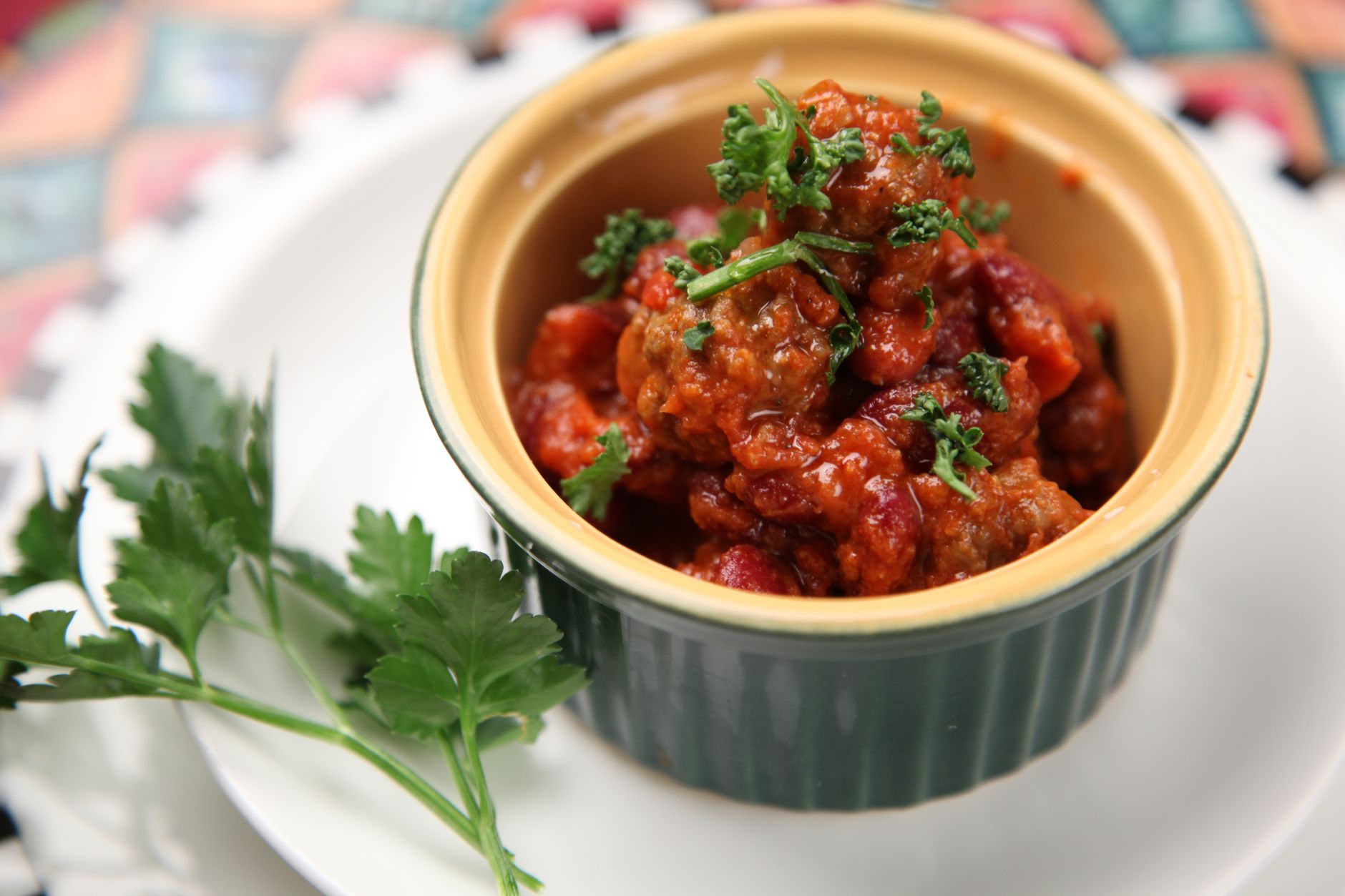
Chili is a hearty dish that has gained immense popularity across the globe, but its true origins and cultural ties often spark debates. One of the most common questions asked is whether chili qualifies as authentic Mexican food. Understanding its history, ingredients, and variations can help clarify its culinary classification.
In this article, we will explore the origins of chili, its various regional adaptations, and how it fits into the broader category of Mexican cuisine, along with useful tips for cooking and serving it.
Is Chili Mexican Food?
Chili, as we know it today, is often associated with Tex-Mex cuisine rather than traditional Mexican food. While it incorporates elements typical of Mexican cooking, such as spices and beans, it has evolved primarily in the United States, particularly in Texas. The dish features chilies as a core ingredient, alongside meat and various seasonings.
The Origins of Chili
The exact origins of chili are somewhat murky, with various stories contributing to its rich history. It’s believed to have roots in early Mexican cuisine, blending indigenous culinary practices with Spanish influences. Yet, the modern interpretation—a hearty stew made from ground meat, dried chilies, and other vegetables—emerged in the American Southwest, particularly in Texas, in the late 19th century.
Traditional chili recipes did not incorporate beans, as many Texan varieties do today. However, beans play a significant role in many Mexican dishes, indicating a divergence in culinary traditions between Mexico and the United States.
Defining Characteristics of Chili
Chili distinguishes itself through its unique blend of flavors, typically characterized by:
- Meat Base: Most chili recipes feature beef, pork, or chicken, often ground or diced.
- Dried Chilies: Various types of dried chilies contribute to the deep flavor profile, providing heat and complexity.
- Beans (Optional): Beans are often included in American-style chili but are less common in authentic Mexican versions.
- Spices: Common seasonings include cumin, oregano, and garlic, which enhance the dish’s flavor.
- Toppings: Chili is commonly topped with cheese, sour cream, or onions when served in the U.S.
Regional Variations of Chili
Chili is celebrated for its adaptability, giving rise to numerous regional variations both within the United States and Mexico. Here are some notable types:
Texas Chili
Also known as chili con carne, this version is a no-bean chili and usually contains beef, tomatoes, and various spices. It’s often served with cornbread or over rice.
Cincinnati Chili
This variation is typically thinner and sweeter, incorporating chocolate and cinnamon. It’s commonly served over spaghetti and topped with cheese, onion, and beans.
White Chili
Instead of traditional red chilies, this version uses white beans and often incorporates chicken and green chilies, creating a lighter flavor profile.
Chili Verde
This Mexican-style chili uses pork and tomatillos or green chilies, creating a tangy, vibrant sauce.
Chili as Mexican Food
While chili shares some traits with traditional Mexican cuisine, such as the use of spices and chilies, it cannot be simply classified as authentic Mexican food. Its development in the United States, particularly in Texas, and the combination of ingredients and flavors showcase a distinct culinary evolution.
Mexican cuisine has its own array of chili-based dishes, such as:
- Chiles Rellenos: Stuffed peppers typically filled with meat and cheese, coated in egg batter and fried.
- Chili Rojo: A stew made with meat, red chilies, and sometimes potatoes, often served with tortillas.
- Salsas: Various types of salsas incorporate fresh or roasted chilies, creating sauces that complement many dishes.
Culinary Uses for Chili
Chili is a versatile dish that can be enjoyed in numerous ways. Here are some popular culinary methods for using chili:
- Comfort Food: Serve chili hot on its own, garnished with cheese and sour cream, ideal for cold weather.
- Chili Dogs: A popular American street food, chili is used as a topping on hot dogs, accompanied by onions and mustard.
- Tacos or Burritos: Use chili as a filling for tacos or burritos, pairing it with fresh toppings like avocado and cilantro.
- Chili Mac: Combine chili with pasta and cheese for a hearty casserole.
Serving Ideas for Chili
When it comes to serving chili, presentation can elevate the experience. Here are some creative serving ideas:
- Chili Bar: Set up a chili bar with various toppings such as jalapeños, diced onions, shredded cheese, and sour cream for a fun, customizable meal.
- Accompanied by Bread: Offer cornbread, tortilla chips, or crusty bread to scoop up the chili.
- Accompanying Dishes: Serve with rice, baked potatoes, or a fresh salad to create a balanced meal.
- Seasoned Dips: Share a bowl of chili as a dip, paired with freshly baked tortilla chips.
Chili Cooking Techniques
To create a delicious chili, certain cooking techniques enhance the final dish. Here are some methods to consider:
Building Flavor through Sautéing
Start by sautéing onions, garlic, and spices in a pot before adding the meat. This technique helps develop a rich flavor base and enhances the overall taste of the chili.
Simmering for Depth
Once the ingredients are combined, allow the chili to simmer. This slow cooking process develops flavors, resulting in a well-rounded dish.
Layering Ingredients
Introduce ingredients gradually. Brown the meat first, then add aromatics like onions and garlic, followed by tomatoes and chilies. Finally, stir in beans at the end to prevent them from becoming mushy.
Common Mistakes When Making Chili
A few common mistakes can detract from the deliciousness of your chili:
- Overcooking: Cooking chili for too long can lead to mushy ingredients. Aim for a balance where flavors meld while maintaining texture.
- Under-seasoning: Don’t shy away from spices. Taste your chili as it cooks, and adjust seasonings accordingly.
- Skipping the Brown: Failing to brown the meat and veggies can lead to a lack of depth in flavor. Browning creates a tasty base.
- Too Many Beans: For those opting for beans, avoid overstuffing; balance is key for flavor and texture.
Practical Substitutions in Chili Recipes
Customizing chili can be fun and allows for a personal touch. Here are practical ingredient substitutions and their effects:
- Meat: Ground turkey or chicken can replace beef for a leaner version.
- Beans: Substitute lentils or chickpeas for those avoiding beans.
- Vegetarian Options: Use jackfruit or mushrooms as a meat alternative for a vegetarian chili.
- Spices: If you don’t have cumin, try coriander or smoked paprika for different flavors.
Storage and Reheating Tips for Chili
To properly extend the life of your chili, consider the following storage and reheating techniques:
- Cooling: Allow chili to cool to room temperature before transferring it to an airtight container.
- Refrigeration: Store chili in the refrigerator for up to four days.
- Freezing: Chili freezes well; transfer to freezer-safe containers for up to three months.
- Reheating: Reheat chili on the stove over low heat or in the microwave, stirring occasionally to ensure even warming.
Final Thoughts on Chili and Mexican Cuisine
Chili is a beloved dish that embodies the heartiness of midwestern cuisine with a flavorful mix of spices often found in Mexican cooking. While it may have roots in Mexican culinary traditions, chili serves as a nod to the unique culinary fusion in the United States, particularly in Texas. Understanding its background and variations helps paint a clearer picture of where it fits within the food landscape.
For those wanting to explore more about chili, consider trying a traditional Cowboy Chili recipe for a rich and smoky taste, or make your own chili seasoning to perfectly tailor the flavors to your liking!
Discover more by exploring delicious recipes such as the Cowboy Chili Recipe and create your own flavorful Chili Seasoning.