
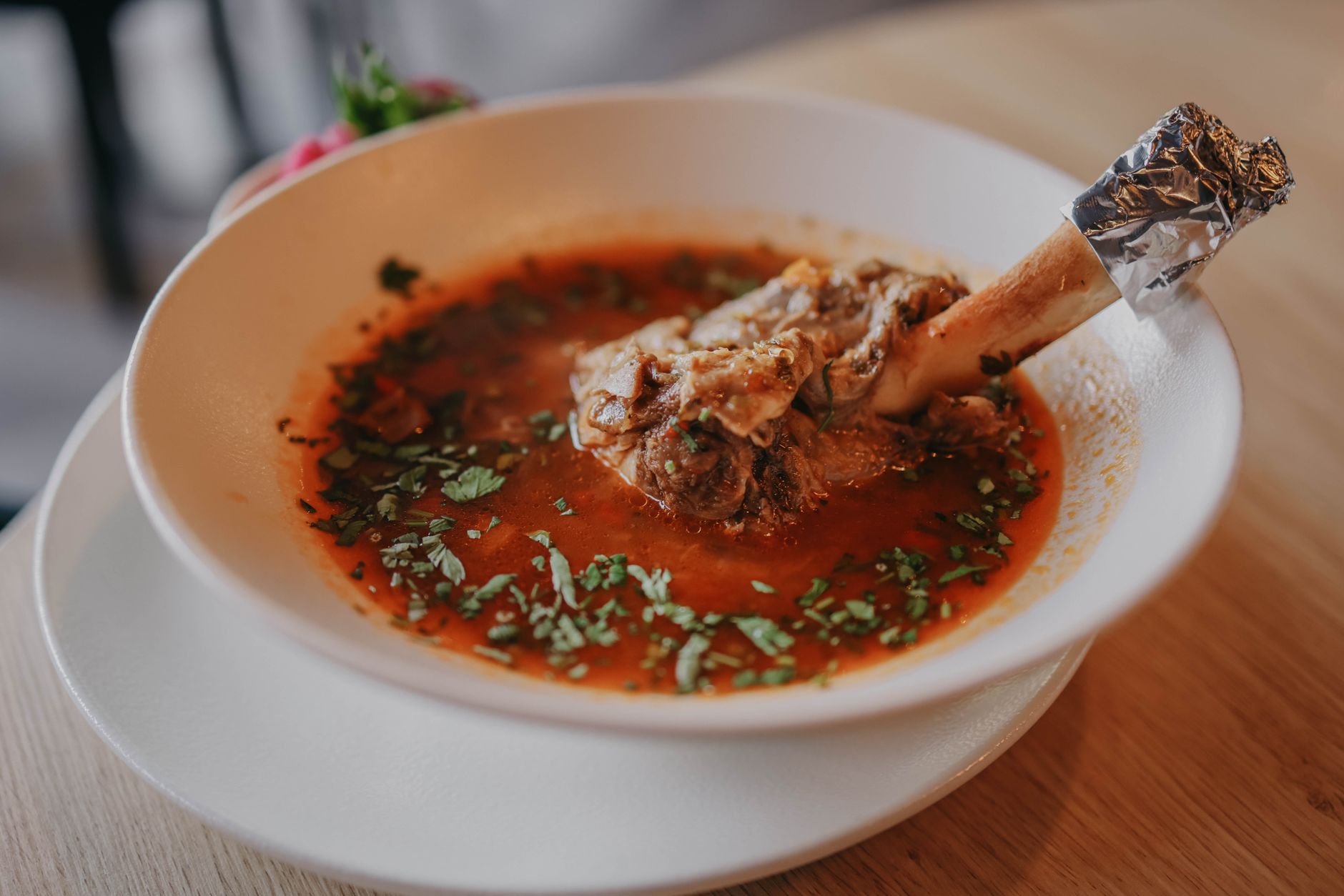
Bone broth is a nutrient-rich liquid made by simmering animal bones and connective tissues. Traditionally enjoyed warm, many may wonder if drinking it cold is a viable option. This article explores the nuances of drinking bone broth cold, its flavor and texture when chilled, and practical kitchen uses.
As the popularity of bone broth continues to rise, people are branching out from traditional consumption methods. Whether for convenience, specific flavor preferences, or dietary experimentation, this article dives into the essential details regarding cold bone broth.
Can You Drink Bone Broth Cold?
Yes, you can drink bone broth cold. While it is typically enjoyed warm, cold bone broth can still be nutritious and tasty. However, the flavor and texture may differ significantly when chilled.
Understanding Bone Broth
Bone broth is prepared by slowly simmering bones, often with meat, vegetables, herbs, and spices. This cooking process extracts collagen, amino acids, minerals, and other nutrients from the bones and connective tissues, resulting in a flavorful liquid.
The primary types of bones often used include:
- Beef bones (marrow bones, knuckles, or oxtails)
- Poultry bones (chicken or turkey carcasses, feet)
- Fish bones (heads, tails, and bones from fish like salmon)
The longer the bones simmer, the richer the broth becomes—scalar flavor, aroma, and health benefits develop as time passes. Bone broth can be used as a base for soups, sauces, and stews or enjoyed solo.
The Flavor and Texture of Cold Bone Broth
When bone broth is chilled, several changes occur in both flavor and texture.
Flavor Profile
Chilling bone broth alters its flavor profile. When served cold, some subtle nuances may become less pronounced while others become more pronounced. The savory, umami notes that are prominent in warm broth can take on a different character when cooled.
The caramelized notes from roasted bones are still recognizable in cold broth but can be overshadowed by an amplified mineral taste due to the concentration effect that occurs as the broth cools. Drinking it cold might also lead to a refreshing experience, especially on a hot day.
Texture Differences
Texture changes in chilled bone broth can be noteworthy. When heated, the fat renders and mixes with the liquid. However, when cooled, this fat can solidify into a layer on top of the broth, giving it a thicker consistency and a “gelatinous” mouthfeel at times. This texture may not appeal to everyone when consumed cold.
How to Prepare and Store Bone Broth for Cold Consumption
Creating a batch of bone broth primarily for cold consumption requires mindfulness about preparation and storage. Follow these steps to prepare and store bone broth effectively:
Ingredients Needed
- 2-3 pounds of bones (beef, chicken, or fish)
- 1-2 tablespoons apple cider vinegar (helps extract minerals from the bones)
- Vegetables (optional, such as carrots, onions, garlic, celery)
- Water (enough to cover the bones completely)
- Herbs and spices (optional, such as bay leaves, thyme, peppercorns)
Preparation Steps
- In a large pot or slow cooker, place the bones and cover them generously with water, ensuring that they are fully submerged.
- Add the apple cider vinegar, vegetables, and seasonings as desired.
- Bring the mixture to a boil over medium-high heat, then reduce heat to low.
- Simmer for 12-24 hours, depending on the type of bones used (fish bones require less time, around 4-6 hours).
- Once finished, strain the broth through a fine mesh sieve or cheesecloth into a large bowl or pot to remove solids.
- Allow the broth to cool to room temperature before transferring it to airtight containers.
- Store the containers in the refrigerator (for short-term use) or freeze for long-term storage.
Storage Tips for Cold Bone Broth
When storing bone broth intended for cold consumption, consider these tips:
- Cool the broth down quickly by placing the container in an ice bath before refrigerating.
- Label containers with the date to keep track of freshness.
- Bone broth can typically be stored in the refrigerator for 3-5 days or frozen for several months.
How to Enjoy Cold Bone Broth
Drinking bone broth cold can be a refreshing experience, but there are several ways to enhance its flavor and enjoyment.
Chilled Recipes and Ideas
Here are some ideas to enjoy cold bone broth:
- Bone Broth Smoothie: Blend cold bone broth with greens, avocado, and fruits for a nutrient-packed smoothie.
- Cold Soup Base: Use cold bone broth as the base for a nutrient-rich chilled soup, similar to gazpacho, with tomatoes and vegetables.
- Savory Gelatin Snacks: Pour cooled and jellied broth into molds for a savory treat that can be eaten as a cold snack.
Consumption Tips
- Add herbs or spices to enhance the taste before chilling.
- Consider pairing it with a side dish rich in protein to balance flavors.
- Drink it straight from the glass or use it in cocktail-style drinks for added depth.
Bone Broth and Dietary Considerations
Bone broth is often cited for its potential health benefits, including digestive support and joint health. Those interested in specific dietary adjustments can easily integrate cold bone broth into their routines.
Here are some dietary considerations:
- Keto and Paleo Diets: Bone broth fits well into these low-carb diets, providing healthy fats and proteins without excess carbohydrates.
- Hydration: Cold bone broth can be hydrating, making it a good choice for warm weather or after exercise.
- Amino Acids: Cold bone broth is an excellent source of amino acids such as glycine and proline, which play significant roles in bodily functions.
Substitutions for Bone Broth
If bone broth isn’t an option for you or if you’re experimenting with flavors, consider these substitutes:
- Vegetable broth: A plant-based alternative for those on vegetarian or vegan diets, though it lacks the same amino acids as bone broth.
- Store-bought alternatives: Many stores now offer bone broth in ready-to-drink cartons—check labels for added sugars or preservatives.
- Stock: Chicken or vegetable stock can stand in, though they might not have the same nutrient density as bone broth.
Common Mistakes and Troubleshooting
When preparing bone broth, there are some common pitfalls to avoid:
- Forgetting to skim: It’s essential to periodically skim the foam and impurities that float to the top during the cooking process.
- Not simmering long enough: Short cooking times can lead to weak flavors and possibly missing out on the nutritional benefits.
- Using low-quality bones: The quality of bones directly impacts flavor and nutritional value—opt for organic or grass-fed sources when possible.
Conclusion
Cold bone broth offers a unique way to enjoy a highly nutritious, savory beverage. While some may prefer it warm, drinking it cold can still provide essential benefits and flavors. Explore the various uses and enjoyable ways to include cold bone broth in your diet.
For more related information, check out how bone broth contains protein or learn about freezing watermelon. These resources can enhance your culinary understanding and food variety.