
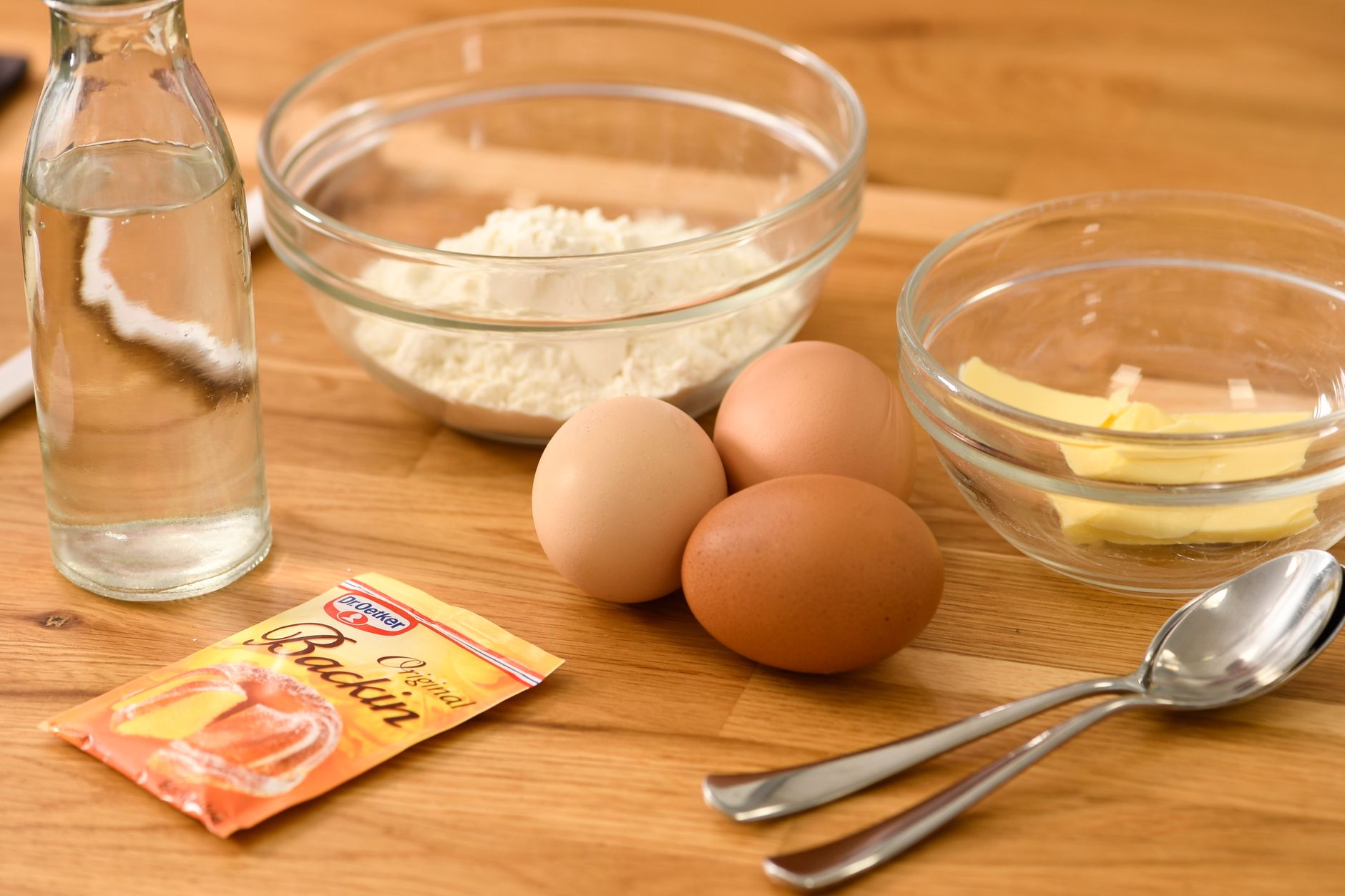
When it comes to baking or cooking, precision in measurements is crucial. Butter is a common ingredient used in many recipes, and knowing how to convert between different measurement systems simplifies the process. One common question is, how many tablespoons is 150 grams of butter? This article provides the conversion you need and explores the nuances of measuring butter for various culinary purposes.
Understanding measurements also aids in meal planning and recipe adjustments, especially for those who may need to convert recipes from grams to tablespoons or vice versa. Whether you are baking cookies, making a sauce, or preparing savory dishes, knowing how to measure butter accurately is essential.
How Many Tablespoons Is 150 Grams of Butter?
To answer the question directly, 150 grams of butter is equivalent to approximately 10.58 tablespoons. However, for practical cooking, this is often rounded to about 10 and a half tablespoons when measuring at home. Each tablespoon holds around 14 grams of butter, which allows for easy conversion.
Understanding Butter Measurements
Butter is typically sold in sticks, blocks, or as loose product in tubs. The common form of butter is in sticks for household use, especially in the United States, where a standard stick weighs 113 grams or 4 ounces. This makes conversions and measurements a bit more straightforward.
Imperial vs. Metric Measurements
In many recipes, especially those originating from the United States, measurements are often provided in cups, ounces, and tablespoons. Conversely, many international recipes use the metric system. Understanding how to convert between these systems is beneficial for home cooks worldwide.
Converting Butter Measurements
Here’s a simple breakdown of conversions regarding butter measurements:
- 1 tablespoon of butter = approximately 14 grams
- 1 stick of butter (4 ounces) = approximately 113 grams
- 1 cup of butter = approximately 227 grams
When you want to convert grams to tablespoons, you can use the formula:
Number of tablespoons = (Number of grams) / 14
Why Accurate Measurements Matter
Measuring butter accurately can affect the texture and flavor of baked goods significantly. For example, too much butter might result in greasy cookies, while too little can make them dry and crumbly. Following the correct measurement ensures that recipes turn out as intended.
Practical Tips for Measuring Butter
Measuring butter may seem simple, but there are several tips that can help ensure accuracy and efficiency:
- Use a kitchen scale: For precise measurement, especially in baking, a kitchen scale is invaluable. This allows you to weight your butter directly if you have grams as your recipe measurement.
- Check butter markings: Many butter sticks come with measurements marked on the paper. In the U.S., each tablespoon usually corresponds to a line on the wrappers, making it easier to slice off the right amount.
- Softened vs. solid: If a recipe calls for softened butter, make sure to let it come to room temperature before measuring. Cold butter is more difficult to measure accurately in tablespoons.
Substitutions and Variations
While butter is a key ingredient in many recipes, there are times when you may need to substitute it. Here are a few common alternatives along with their approximate conversion rates:
- Margarine: Generally can be used 1-for-1 with butter. So, if your recipe calls for 150 grams of butter, you can use 150 grams of margarine.
- Coconut oil: Replace butter with coconut oil in an equal ratio. For 150 grams of butter, use 150 grams of coconut oil.
- Applesauce: When baking, using applesauce can help reduce the fat content. Use about half the weight of butter in applesauce, so for 150 grams of butter, use approximately 75 grams of applesauce, but this will change the texture and moisture of the final product.
- Vegetable oil: If using vegetable oil instead of butter, use about 25% less. For instance, for 150 grams of butter, use about 112 grams of vegetable oil.
Common Mistakes When Measuring Butter
Here are common pitfalls to avoid when measuring butter to ensure that your culinary endeavors are successful:
- Not accounting for melting: When measuring melted butter, make sure that it has cooled slightly before measuring. Hot butter can create steam, which adds to the volume inaccurately.
- Ignoring different butter forms: Different forms, such as knocked out from a tub or beaten to a creamy texture, can yield different weights. Ensure you are measuring the same state as the recipe calls.
- Rounding inaccurately: When recipes specify amounts in grams, be careful about rounding when converting to tablespoons. Such approximations could throw off your measurements.
Butter in Cooking and Baking
Butter is not just a fat; it plays various roles in cooking and baking, contributing to flavor, moisture, and texture. Here’s how butter behaves in different culinary contexts:
Baking
In baking, butter is essential for flavor and texture development. The way butter is incorporated into the batter can lead to different outcomes:
- Creaming method: Used in cookies and cakes. Butter is mixed with sugar until light and fluffy to introduce air into the batter.
- Cutting in: Used for pastries and pie crusts. Cold butter is cut into flour to create flaky layers.
- Melting: When melted butter is used, it can create denser textures in baked goods.
Cooking
In savory dishes, butter adds richness and depth of flavor. It can be used for sautéing, making sauces, or even as a finishing touch to dishes. For instance, a pat of butter stirred in at the end of cooking can elevate your sauce.
Storing Butter
To maintain the quality and freshness of butter, proper storage is crucial. Here are some useful tips:
- Refrigeration: Store butter in the refrigerator to keep it from spoiling. If you do not plan to use it within a few weeks, consider freezing it.
- Freezing: Butter can be frozen for up to six months. Wrap it tightly in plastic wrap or foil to prevent freezer burn.
- Keep portioned: If you routinely measure out butter for baking, consider portioning it in advance into tablespoon amounts and freezing them.
Culinary Applications of Butter
Butter is versatile and can be used in various culinary applications from sweet to savory:
- Pastry making: Its richness is essential in creating flaky pastries.
- Cookie recipes: Contributes to cookies’ crispness and chewiness.
- Sauces: Fundamental in creating rich sauces like beurre blanc or hollandaise.
- Sauteing: Adds flavor when sautéing vegetables or proteins.
Conclusion and Next Steps
Knowing how to convert butter measurements and the role butter plays in cooking and baking opens up a world of culinary possibilities. Whether you require precise measurements for a cake or a quick guest-impressing sauce, these guidelines will ensure successful outcomes.
To expand your butter knowledge, explore the clarified butter recipe for a cooking technique that elevates flavor or delve into butter swim biscuits for a delicious recipe idea.