
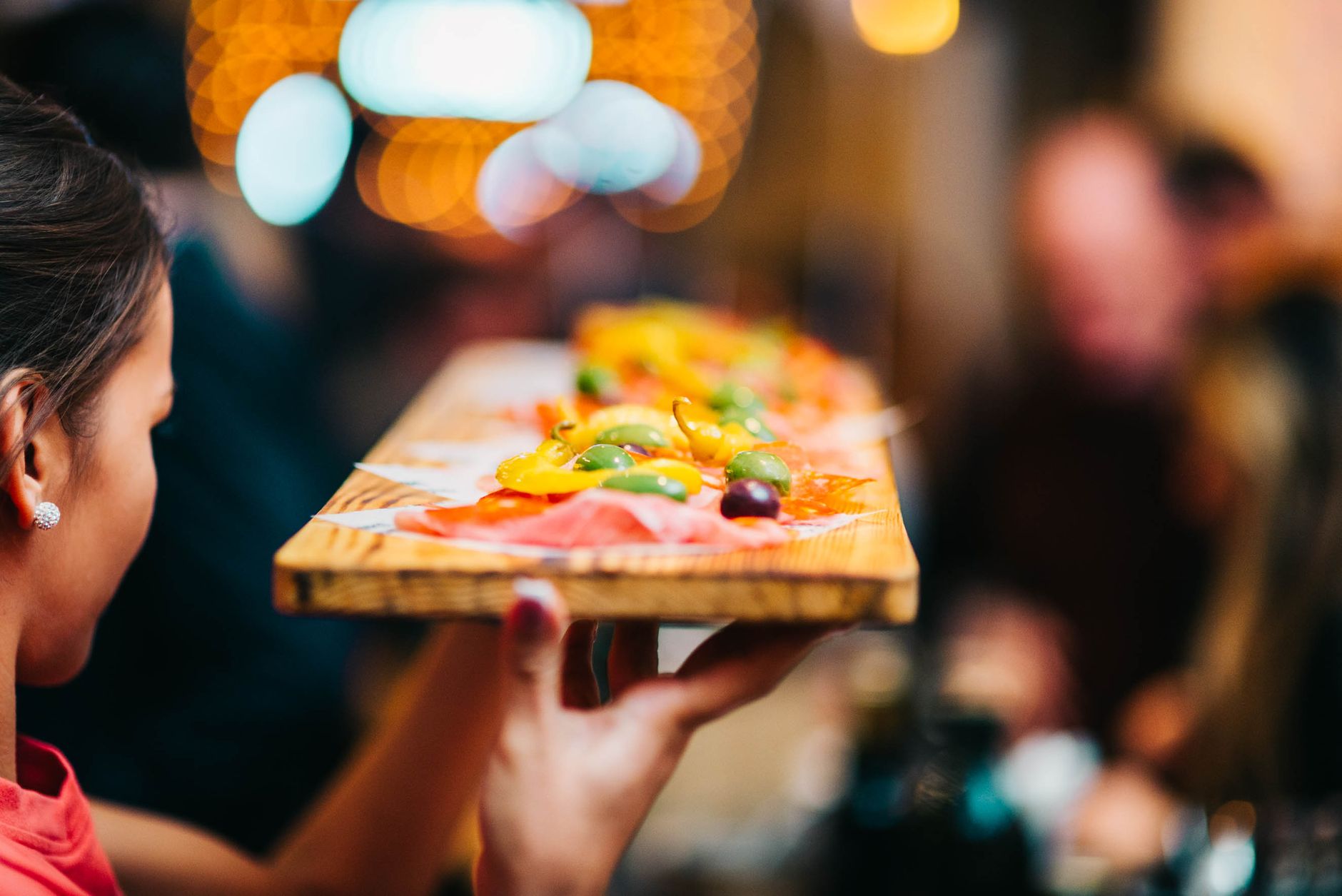
In the bustling world of restaurants, the role of a server is crucial to ensuring a smooth dining experience. A server is the frontline staff member who interacts with patrons, taking orders, serving food, and providing assistance throughout the dining journey.
Understanding what a server does in a restaurant setting can enhance your appreciation for the dining experience. This article explores the role of servers, their responsibilities, key skills required, and what customers can expect from their service.
What Is a Server in a Restaurant?
A server in a restaurant is a customer service professional responsible for attending to guests during their meal. Their duties include taking orders, serving food and beverages, answering questions about the menu, and ensuring customer satisfaction. Servers play a vital role in creating a welcoming environment and can significantly influence a patron’s overall dining experience.
The Key Responsibilities of a Server
Servers wear many hats and are skilled multitaskers. Their primary responsibilities include:
- Taking Orders: Servers record customer orders accurately and relay them to the kitchen staff.
- Serving Food and Drinks: Once the food is prepared, servers bring dishes and beverages to the table, ensuring they’re presented nicely.
- Customer Assistance: Servers are available to answer any questions guests may have about the menu items, including ingredients, preparation methods, and dietary restrictions.
- Ensuring Satisfaction: Throughout the meal, servers check in with customers to address any issues and ensure they have everything they need.
- Clearing Tables: After the meal, servers are responsible for clearing away used dishes and preparing the table for the next guests.
- Processing Payments: Servers also handle the billing process, providing customers with checks and processing credit card payments or cash.
The Skills Needed to Be a Successful Server
Being a server requires a specific skill set to thrive in a fast-paced environment. Here are some essential skills:
- Communication: Clear and effective communication is crucial for taking orders and interacting with guests.
- Multitasking: Servers often juggle multiple tables at once, requiring the ability to prioritize tasks efficiently.
- Attention to Detail: An eye for detail ensures that orders are taken accurately and that customers’ needs are met promptly.
- Customer Service: A friendly demeanor and a commitment to customer satisfaction are vital for effective service.
- Knowledge of Food and Beverage: Familiarity with the menu, ingredients, and preparation techniques helps servers better assist guests and make recommendations.
Typical Workflow of a Server
Understanding a server’s workflow can provide insights into the restaurant’s operations. Here’s a general overview of a server’s typical workflow:
- Preparation: Before service begins, servers prepare by setting up their section, ensuring tables are clean, and all supplies are stocked.
- Greeting Customers: As guests arrive, servers warmly greet them and may take them to their tables.
- Taking Orders: Servers present menus and take drink and food orders, ensuring they clarify special requests or dietary restrictions.
- Placing Orders: After recording orders, servers input them into the point-of-sale system or communicate them to the kitchen.
- Serving Food: Once dishes are prepared, servers deliver them promptly, checking that everything is correct and as ordered.
- Checking On Guests: Servers periodically check on customers, refilling drinks and responding to any additional requests.
- Processing Payments: At the end of the meal, servers present the bill and process payments, thanking guests for their visit.
- Cleaning Up: After guests leave, servers clean the table and reset it for the next patrons.
Tips for Customers to Enhance Their Dining Experience
Being an informed diner can greatly improve your restaurant experience. Here are some tips for customers:
- Be Polite: A little courtesy goes a long way; treating servers with kindness can lead to better service.
- Avoid Peak Hours: Consider dining during off-peak times to receive more attentive service and a quieter atmosphere.
- Ask Questions: If you have dietary restrictions or specific preferences, don’t hesitate to ask servers for recommendations.
- Be Patient: During busy times, food preparation may take longer than usual; being patient can help you enjoy the overall dining atmosphere.
- Provide Feedback: If something isn’t up to your expectations, communicate with the server to address the issue.
The Importance of Tipping
Tipping is a critical aspect of the service industry, as many servers rely on tips as a significant part of their income. The general rule of thumb is to tip between 15% to 20% of the total bill, depending on the level of service. Here are some things to consider:
- Service Level: Exceptional service may warrant a larger tip, while poor service could result in a smaller gratuity.
- Large Parties: Some restaurants automatically include gratuity for larger parties, so check the bill carefully.
- Regional Differences: Tipping customs can vary by region or country; it’s essential to be aware of local practices.
Common Challenges Faced by Servers
The role of a server is rewarding but also comes with challenges. Some common issues they face include:
- High Stress Levels: Working in a busy restaurant can be stressful, especially during peak hours.
- Dealing with Difficult Customers: Servers occasionally encounter challenging guests, requiring excellent conflict resolution skills.
- Physical Demands: The job can be physically demanding, requiring long hours on your feet and carrying heavy trays.
- Time Management: Balancing multiple tables and tasks demands excellent time management skills.
Server Training and Development
Successful servers often undergo training to equip them with the necessary skills and knowledge. Training may include:
- Menu Education: Learning about menu items, ingredients, and potential allergens ensures servers can provide accurate information to guests.
- Service Etiquette: Training often covers proper serving techniques, table settings, and customer interaction.
- Point-of-Sale Systems: Familiarity with the restaurant’s ordering and payment systems streamlines operations.
- On-the-Job Experience: Many servers receive hands-on training under the guidance of experienced staff to learn the ropes of their position.
The Future of Serving in Restaurants
As restaurants continue to adapt to changing customer expectations, the role of servers is evolving. Technology is increasingly playing a role in food service, with trends such as:
- Online Reservations: Many restaurants now use online platforms for reservations, easing the workload for servers.
- Mobile Ordering: Some establishments are implementing mobile ordering systems, allowing guests to order ahead and streamline the dining process.
- Contactless Payments: The rise of contactless payments is reshaping how servers process transactions, improving speed and efficiency.
- Enhanced Customer Experience: Technology tools may help servers provide a more personalized experience, leading to increased customer loyalty.
Conclusion
Understanding the role of a server in a restaurant enhances both the dining experience and appreciation for the service staff. By recognizing their responsibilities, skills, and the challenges they face, customers can engage in healthier interactions when dining out. The next time you visit a restaurant, remember that your server is there to help create a memorable dining experience.
For more insights into recipes, cooking tips, and food guides, explore our collection of related content that will enrich your culinary adventures.