
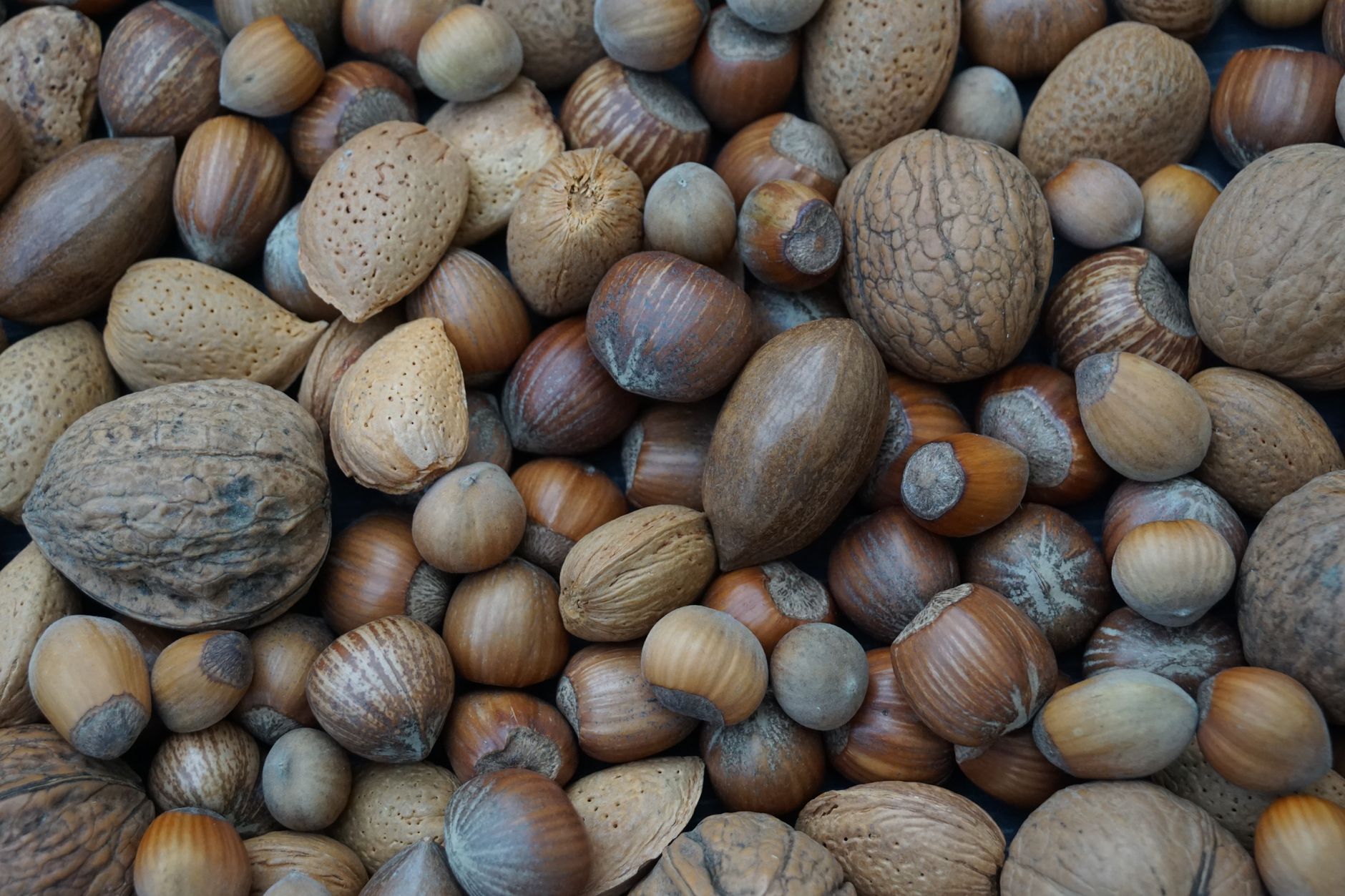
Tree nuts are a specific category of nuts that grow on trees, distinct from peanuts and other legumes. They are celebrated for their rich flavors, unique textures, and nutritional benefits. Understanding the different types of tree nuts, their uses in the kitchen, and their flavor profiles can greatly enhance your culinary repertoire.
This comprehensive guide will provide a list of common tree nuts, along with their taste, texture, and kitchen uses, enabling you to incorporate them effectively into your meals and snacks.
What Are Tree Nuts List?
Tree nuts include a variety of edible seeds that grow on trees. Here are the most common tree nuts and their characteristics:
- Almonds
- Taste: Sweet and slightly nutty.
- Texture: Crunchy when raw, creamy when ground into almond butter.
- Kitchen Uses: Used in salads, desserts, and as a snack, and can be ground into flour or butter.
- Cashews
- Taste: Creamy, buttery, and slightly sweet.
- Texture: Soft and crunchy, with a smooth mouthfeel when processed into butter.
- Kitchen Uses: Often used in Asian dishes, vegan cheese, or as a snack.
- Pistachios
- Taste: Sweet, with a distinct and slightly earthy flavor.
- Texture: Crunchy with a tender interior.
- Kitchen Uses: Great for snacking, in baklava, or as a topping for salads.
- Walnuts
- Taste: Rich, slightly bitter, and earthy flavor.
- Texture: Soft and chewy with a crunchy outer layer.
- Kitchen Uses: Used in baking, salads, and to make walnut oil or pastes.
- Pecans
- Taste: Sweet, buttery, and slightly nutty.
- Texture: Crunchy and can be chewy when toasted.
- Kitchen Uses: Essential for pie fillings, salads, and snack mixes.
- Hazelnuts
- Taste: Sweet and slightly woody.
- Texture: Crunchy when whole, creamy when ground.
- Kitchen Uses: Used in chocolates, desserts, and as a snack.
- Macadamia Nuts
- Taste: Rich, buttery, and slightly sweet.
- Texture: Creamy and crunchy.
- Kitchen Uses: Great for baking, especially in cookies or as a snack.
- Brazil Nuts
- Taste: Creamy and rich with a mild flavor.
- Texture: Firm and crunchy.
- Kitchen Uses: Used in trail mixes, desserts, or eaten on their own.
Understanding the Flavor, Texture, and Uses
Now that you have a list of common tree nuts, let’s delve deeper into their flavor profiles, textures, and how you can effectively utilize them in the kitchen.
Almonds
Almonds are versatile and come in various forms, such as whole, sliced, and flour. Their sweet taste makes them a perfect addition to both savory and sweet dishes. They provide a hearty crunch to salads or can be used in desserts like frangipane.
Cashews
The creamy and buttery taste of cashews makes them an exceptional ingredient in vegan cooking. They can be soaked and blended to create rich sauces or dairy-free cheese. Their unique soft texture also works beautifully in Asian stir-frys.
Pistachios
Pistachios stand out with their vibrant green color and distinct flavor. Their crunch adds an appealing texture to dishes, while their sweet flavor complements both savory and sweet preparations such as ice cream or salads.
Walnuts
Walnuts have a robust, earthy flavor that pairs well with savory dishes like roasted vegetables or salads. They are often used in baking, particularly for brownies and banana bread. Toasting enhances their flavor, adding extra richness.
Pecans
Pecans, with their sweet and buttery taste, are a quintessential ingredient in southern-style cooking, especially in pecan pies. Their natural sweetness complements both sweet and savory dishes alike, making them a flexible ingredient.
Hazelnuts
With their sweet, nutty flavor, hazelnuts are often used in desserts, especially in confections like Nutella. They can be enjoyed whole, chopped, or ground, providing versatility in various dishes ranging from pastries to salads.
Macadamia Nuts
Known for their rich, buttery flavor, macadamia nuts are popular in baking, particularly in cookies. Their creamy texture adds depth to both sweet and savory dishes, making them suitable for a variety of culinary applications.
Brazil Nuts
Brazil nuts are often eaten raw or roasted as a snack. Their creamy texture pairs well with chocolate and other desserts. They are also an excellent source of selenium, contributing to their nutritional value.
Tree Nut Nutrition and Health Benefits
Tree nuts are a nutritious addition to any diet and are rich in healthy fats, protein, vitamins, and minerals. Here are some general health benefits associated with tree nuts:
- Heart Health: Nuts are rich in unsaturated fats, which help lower cholesterol levels and promote heart health.
- Weight Management: Eating nuts can help with appetite regulation, potentially aiding in weight maintenance.
- Rich in Antioxidants: Many nuts are high in antioxidants like vitamin E, which combat oxidative stress.
- Protein Source: Nuts provide a good source of protein, making them suitable for vegetarians and vegans.
- Minerals: They are rich in essential minerals like magnesium, selenium, and calcium.
Culinary Uses of Tree Nuts
Tree nuts can elevate your dishes, whether enjoyed raw, roasted, or as a butter or flour. Here are some practical uses in the kitchen:
Snacks
Raw or roasted tree nuts make healthy snacks. They can be seasoned with herbs and spices or enjoyed plain. Nut mixes combining various types add texture and flavor diversity.
Baking
Tree nuts serve as excellent additions to baked goods. They can be chopped and added to cookies, cakes, muffins, and pastries for added flavor and crunch. Nut flours, such as almond flour, are popular gluten-free alternatives in baking.
Salads & Main Dishes
Sprinkle chopped nuts over salads for added crunch and richness. They can also be incorporated into main dishes, adding flavor and texture, especially in curries and stir-fried dishes. Consider using walnut pesto or cashew sauces for unique flavor profiles.
Desserts
Nuts are a vital component in countless desserts, providing texture and flavor. Use nuts in granola, pie crusts, and chocolate confections to enhance the overall taste.
Nut Butters
Making homemade nut butter, such as almond or cashew butter, allows for control over ingredients and the option to customize flavors. Nut butters can be spread on toast, added to smoothies, or used in strict baking recipes.
Cooking with Tree Nuts: Tips and Substitutions
When incorporating tree nuts into your cooking, keep these tips and possible substitutions in mind:
- Toasting Nuts: Toasting can amplify flavor. Simply place nuts in a dry skillet over medium heat and stir frequently until fragrant.
- Storage: Store tree nuts in an airtight container in a cool, dark place. Refrigeration or freezing can extend their shelf life.
- Nut Substitutions: If you’re out of a specific nut, these substitutions work well:
- Almonds ↔ Cashews (or walnuts for baking)
- Pecans ↔ Walnuts
- Hazelnuts ↔ Almonds
- Grind with care: Grinding nuts for recipes (like nut flour) should be done to desired fineness; over-processing can lead to nut butter.
Common Mistakes and Troubleshooting
When using tree nuts in your cooking, consider these common pitfalls and how to avoid them:
- Burning Nuts: Nuts can burn quickly when toasted. Keep an eye on them and adjust heat as necessary.
- Ingredient Match: Ensure that the flavor profiles match the dish; for instance, pairing bitter walnuts with sweeter ingredients.
- Allergy Considerations: Always check for allergies in yourself and guests when serving dishes containing nuts.
Final Thoughts on Tree Nuts
Tree nuts are an incredibly versatile and flavorful ingredient that can elevate your culinary creations. They offer a variety of textures and flavors, making them valuable in a wide array of dishes, from appetizers to desserts. Their health benefits further solidify their place in a balanced diet.
Next time you’re planning a meal, consider adding tree nuts for their delightful crunch and flavor. Explore exciting recipes that let tree nuts shine, such as incorporating them into homemade sauces, using them in baked goods, or enjoying them as a nutritious snack.
For even more ways to use nuts in the kitchen, you might enjoy our recipes for pistachio paste and candied walnuts.