
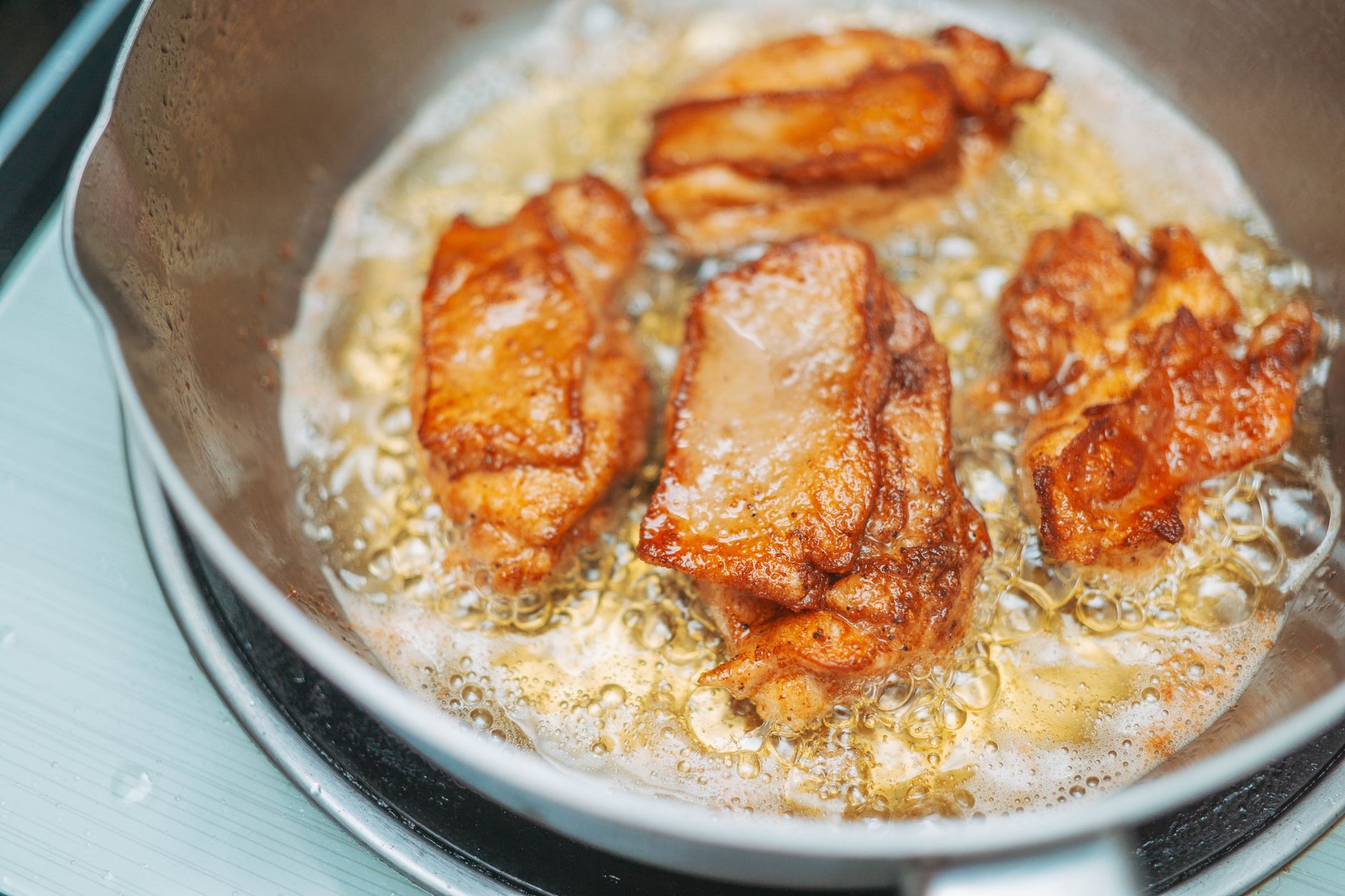
When it comes to frying chicken, the choice of oil plays a crucial role in the flavor, texture, and overall outcome of the dish. There are many types of oils available, and understanding their properties can help you choose the best option for frying. In this guide, you’ll learn what oils are best suited for frying chicken, each oil’s advantages, preparation and cooking tips, and what to keep in mind for perfect results.
Fried chicken is a beloved dish across many cultures and for good reason. A properly fried piece of chicken has a crispy, golden-brown exterior while remaining juicy and tender on the inside. With the right oil and techniques, you can achieve that delightful texture and flavor at home.
What Oil To Fry Chicken In?
The best oils for frying chicken are those with a high smoke point and neutral flavor. Some popular options include vegetable oil, canola oil, peanut oil, and corn oil. Each of these oils can withstand high temperatures without burning and does not impart strong flavors that could overwhelm the chicken. The smoke point of the oil is crucial because using oil that burns will impact the flavor and could create harmful substances.
Understanding Oil Properties
Before diving into specific oils, it’s important to understand their properties, including smoke points and flavor profiles.
Smoke Point
The smoke point is the temperature at which oil begins to smoke and break down, producing off-flavors and potentially harmful compounds. When frying chicken, choosing an oil with a high smoke point is essential to ensure a crispy texture without burnt flavors.
Flavor
Neutral oils are often preferred for frying chicken, as they allow the chicken’s natural flavors to shine through. Oils with strong flavors, such as olive oil or coconut oil, can affect the overall taste of the dish.
Recommended Oils for Frying Chicken
Here are some of the best oils for frying chicken, along with their smoke points and characteristics:
- Vegetable Oil – Smoke Point: 400°F (204°C)
A common choice, vegetable oil is usually a blend of different oils, such as soybean, corn, or canola oil. It has a neutral flavor and works well for frying chicken. - Canola Oil – Smoke Point: 400°F (204°C)
Canola oil is a versatile choice with a mild flavor. It is low in saturated fat, making it a healthier option for frying. - Peanut Oil – Smoke Point: 450°F (232°C)
Known for its nutty flavor, peanut oil is a favorite in southern-style frying. Its high smoke point makes it ideal for deep frying chicken. - Corn Oil – Smoke Point: 450°F (232°C)
Corn oil has a slightly sweet flavor and high smoke point, making it suitable for frying. It is often used in restaurants for frying due to its cost-effectiveness. - Safflower Oil – Smoke Point: 450°F (232°C)
Safflower oil has a light flavor and is excellent for frying at high temperatures. It’s a popular option in commercial kitchens. - Sunflower Oil – Smoke Point: 440°F (227°C)
Sunflower oil is another good choice due to its light flavor and high smoke point. It’s often used in frying because of its affordability.
How to Prepare Chicken for Frying
Before frying, proper preparation of the chicken is key to achieving the best results. Here’s a breakdown of steps to take:
- Choose Your Chicken: Pick your preferred cuts – wings, drumsticks, thighs, or breasts. Bone-in pieces tend to remain juicier during frying.
- Brine the Chicken (Optional): Brining chicken in a simple saltwater solution adds moisture and flavor. Typically soak for at least 30 minutes, up to 24 hours in the refrigerator.
- Season the Chicken: Generously season the chicken with salt, pepper, and any additional spices or marinades you prefer for flavor.
- Dredge the Chicken: Create a dredging station with buttermilk and flour (or your preferred coating mix). Dip the chicken in buttermilk, then coat well in flour or your chosen mixture.
Frying Techniques
Once your chicken is prepped, it’s time to fry. Here are some essential steps and techniques for frying chicken:
Choosing the Right Equipment
Using the right equipment can significantly impact your frying results:
- Fryer or Heavy Pot: Use a deep fryer for even heating or a heavy-bottomed pot or Dutch oven that can maintain consistent temperatures.
- Thermometer: An instant-read thermometer is essential for checking oil temperature and ensuring your chicken reaches a safe internal temperature.
- Spider or Slotted Spoon: These tools help you remove the chicken from the hot oil safely.
- Cooling Rack: Place fried chicken on a cooling rack to drain excess oil and keep it crisp.
Frying Process
- Heat the Oil: Pour oil into your fryer or pot, filling it no more than halfway. Heat the oil to 350°F (175°C). Adjust the heat as necessary during frying.
- Test the Oil: To check if the oil is ready, drop a small piece of bread into the oil – if it sizzles and browns quickly, the oil is hot enough.
- Add Chicken: Carefully lower the chicken into the oil, avoiding crowding. Fry in batches if necessary to maintain oil temperature.
- Fry Until Golden: Fry the chicken for about 12-15 minutes, flipping it halfway through. Use a thermometer to check that the internal temperature reaches at least 165°F (74°C).
- Drain and Cool: Use a slotted spoon to transfer the fried chicken to a cooling rack. Allow it to rest for a few minutes before serving.
Common Mistakes and Troubleshooting
Sometimes frying chicken goes awry, but knowing common mistakes can help you achieve better results.
Too Much Crowding
Crowding the pan can lower the oil temperature, resulting in greasy chicken. Fry in small batches to maintain temperature.
Oil Temperature Fluctuations
If the oil is too cool, the chicken will absorb excess oil; if too hot, it can burn. Keep a close eye on the temperature and adjust the heat as needed.
Undercooked Chicken
Always use a meat thermometer to ensure chicken reaches a safe internal temperature of 165°F (74°C) for doneness.
Not Enough Seasoning
Ensure your chicken is well-seasoned before frying. An unseasoned crust can lead to bland chicken.
Serving Tips
Once your chicken is perfectly fried, consider these serving ideas to elevate your meal:
- Add a Dipping Sauce: Serve with hot sauce, ranch dressing, or honey for a touch of sweetness.
- Pair with Sides: Classic sides like coleslaw, mashed potatoes, or cornbread complement fried chicken beautifully.
- Garnish: Add fresh herbs, a squeeze of lemon, or pickles for an extra layer of flavor.
- Sandwich it: Use the fried chicken as a filling for sandwiches, topped with lettuce, tomato, and your favorite condiments.
Storage and Reheating Guidance
If you have leftover fried chicken, proper storage and reheating are necessary to maintain quality:
Storage
Allow the chicken to cool completely before storing. Place it in an airtight container and refrigerate for up to 3-4 days. For longer storage, freeze it in tightly sealed freezer bags for up to 2 months.
Reheating
To reheat, use an oven preheated to 375°F (190°C). Place the chicken on a baking sheet and heat for about 10-15 minutes or until heated through. This will help maintain the crispiness of the coating.
Practical Substitutions
While certain oils are preferred for frying chicken, here are some options for substitution and what to consider:
- Olive Oil: Can be used for frying, but its lower smoke point means it might not achieve the same crispiness. Opt for light olive oil if using.
- Coconut Oil: Has a distinctive flavor and a lower smoke point; best used in moderation.
- Grapeseed Oil: A fine substitute with a high smoke point and neutral flavor, though typically more expensive.
Final Thoughts
The oil you choose for frying chicken can dramatically impact the final dish, making it essential to pick wisely. Vegetable oil, canola oil, and peanut oil are some of the best options due to their flavor profiles and smoke points. By following the techniques and tips outlined in this article, you’ll create perfectly crispy fried chicken every time. Experimenting with different oils and preparations can also add variety to your frying experience, making each meal exciting.
For more insights into cooking and unique food guides, feel free to explore what oil Chick-fil-A uses or learn how long to air fry chicken wings.