
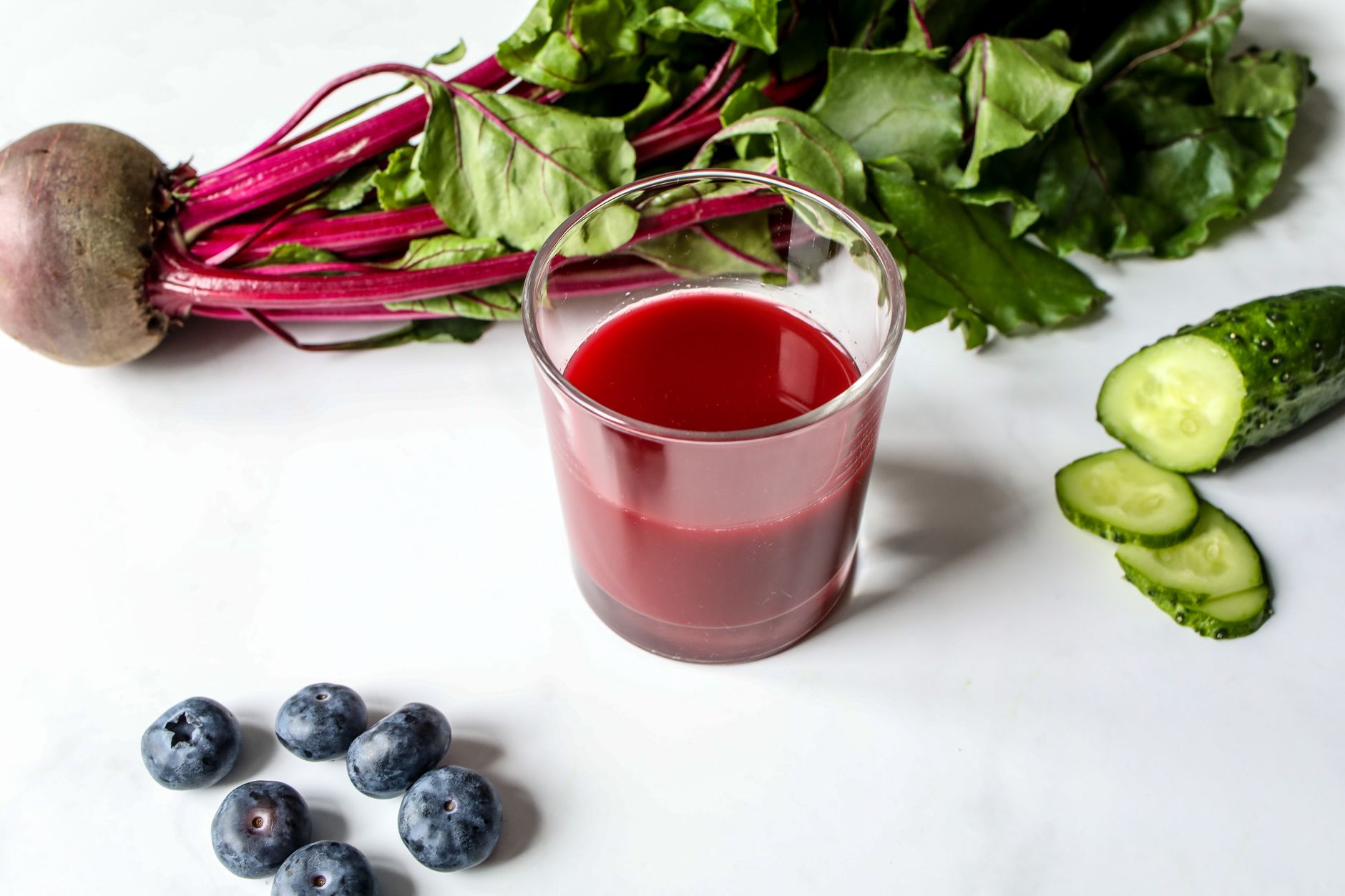
Beet juice has gained popularity as a health drink due to its vibrant color and potential health benefits. For pregnant women, the question arises: is beet juice good for pregnancy? Understanding its nutritional profile, potential advantages, and considerations for expectant mothers can help in making informed dietary choices.
This article will explore the benefits and drawbacks of beet juice during pregnancy, dietary considerations, and how to incorporate it into a balanced diet. Let’s dive into the details!
Is Beet Juice Good for Pregnancy?
Yes, beet juice can be beneficial during pregnancy due to its rich nutritional content. It can support increased blood circulation, provide essential vitamins, and may help with energy levels. However, it’s crucial for expectant mothers to consume it in moderation and consult with healthcare professionals, especially regarding specific health conditions.
Nutritional Profile of Beet Juice
Beet juice is a powerhouse of nutrients. Here is a breakdown of some key components:
- Folate: Essential for fetal development, particularly in the first trimester, to prevent neural tube defects.
- Vitamin C: Supports the immune system and helps in the absorption of iron, which is crucial during pregnancy.
- Iron: Important for maintaining healthy hemoglobin levels and preventing anemia.
- Potassium: Aids in maintaining fluid balance and regulating blood pressure.
- Antioxidants: Rich in betalains, which may help reduce inflammation.
Potential Benefits of Beet Juice During Pregnancy
Here are some notable benefits of consuming beet juice while pregnant:
1. Improved Blood Flow
Beet juice is known to enhance nitric oxide levels in the body, which can help dilate blood vessels and improve blood circulation. This increased circulation can benefit both the mother and fetus by ensuring that nutrients and oxygen are efficiently delivered.
2. Natural Source of Energy
Pregnant women often experience fatigue due to hormonal changes and physical demands. Beet juice, rich in carbohydrates and natural sugars, can serve as a quick energy booster without the sugar crashes associated with processed sugary beverages.
3. Supports Cardiovascular Health
As blood volume increases during pregnancy, ensuring a healthy cardiovascular system is vital. Beet juice may help lower blood pressure and improve overall heart health due to its high nitrate content, promoting good health for both mother and baby.
4. Rich in Folate
Folate is crucial during pregnancy for fetal growth and development. Beet juice provides a natural source of folate, supporting DNA synthesis and cell division. This is particularly important in the early stages of pregnancy.
5. Potential Anti-Inflammatory Properties
The antioxidants found in beet juice may help combat inflammation, potentially reducing the risk of pregnancy-related complications related to inflammation.
Considerations When Drinking Beet Juice During Pregnancy
While there are many benefits, there are also considerations to keep in mind:
1. Moderation is Key
Despite its health benefits, beet juice should be consumed in moderation. Due to its high nitrate content, excessive consumption might lead to decreased blood pressure, which can be concerning for expectant mothers.
2. Be Mindful of Sugar Content
Although the sugars in beet juice are natural, they still contribute to overall carbohydrate intake. Pregnant women should be cautious of their sugar intake, especially if they are at risk for gestational diabetes.
3. Potential Allergies or Sensitivities
Some individuals may react to beetroot with allergies or digestive sensitivities. If you have never consumed beet juice before, start with small amounts to see how your body reacts.
4. Consult Healthcare Providers
Always discuss with your healthcare provider before making significant changes to your diet during pregnancy to ensure it aligns with your health needs.
How to Safely Enjoy Beet Juice During Pregnancy
If you decide to include beet juice in your diet, consider the following tips for safe consumption:
1. Homemade vs. Store-Bought
Homemade beet juice is the best option, as it avoids added sugars and preservatives commonly found in many store-bought versions. To prepare, wash, peel, and chop fresh beets, then blend them with water and strain the mixture.
2. Mixing with Other Ingredients
Enhance the flavor and nutritional content of your beet juice by mixing it with other fruits and vegetables. Consider adding:
- Carrots for sweetness and additional vitamins
- Cucumber for hydration
- Ginger for anti-inflammatory benefits
- Lemon for a refreshing tang and vitamin C boost
3. Pairing with Iron-Rich Foods
Since beet juice can help with iron absorption, consider pairing it with iron-rich foods like spinach or lentils to maximize the benefits.
Simple Beet Juice Recipe for Pregnant Women
Here’s a simple and nutritious beet juice recipe to enjoy:
Yield
2 servings
Preparation Time
10 minutes
Ingredients
- 2 medium-sized beets, peeled and chopped
- 1 medium carrot, peeled and chopped
- 1 cucumber, peeled and chopped
- 1-inch piece of fresh ginger, grated (optional)
- Juice of 1 lemon
- 2 cups of water or coconut water
Essential Equipment
- Blender or juicer
- Strainer or cheesecloth (if using a blender)
- Knife and cutting board
- Measuring cups
Method
- Wash and peel the beets, carrot, and cucumber.
- Chop all ingredients into smaller pieces for easier blending.
- Add the chopped beets, carrot, cucumber, ginger, and water to the blender.
- Blend until smooth, adding more water if needed to reach your desired consistency.
- If using a blender, pour the mixture through a strainer or cheesecloth to separate the juice from the pulp.
- Stir in fresh lemon juice and serve immediately for the best flavor and nutrient retention.
Storage Tips
Fresh juice is best consumed immediately. However, if you have leftovers, store them in an airtight container in the refrigerator for up to 48 hours. Shake well before drinking, as natural separation may occur.
Potential Risks Associated with Beet Juice
While beet juice can be beneficial, some risks must be considered:
1. Blood Pressure Changes
As mentioned earlier, beet juice can lower blood pressure. If you have existing low blood pressure or are on medication for hypertension, consult your healthcare provider to avoid potential complications.
2. Beeturia
Some people may experience a harmless condition called beeturia, where the urine turns pink or red after consuming beets. This is generally not a cause for concern but can be startling if unanticipated.
3. Interactions with Medications
If you are taking medication for blood pressure or nitrates, drink beet juice cautiously, as it may interact with these medications.
Conclusion
Beet juice can be a nutritious addition to a pregnancy diet, offering many potential health benefits. However, moderation is essential, and it’s critical to consult with healthcare providers for personalized advice. Incorporating beet juice into smoothies or as part of balanced meals can help expectant mothers enjoy its beneficial properties safely.
For additional healthful recipes and dietary considerations, explore more about the benefits of pomegranate juice at pomegranate juice and discover the advantages of chia seeds at chia seeds.