
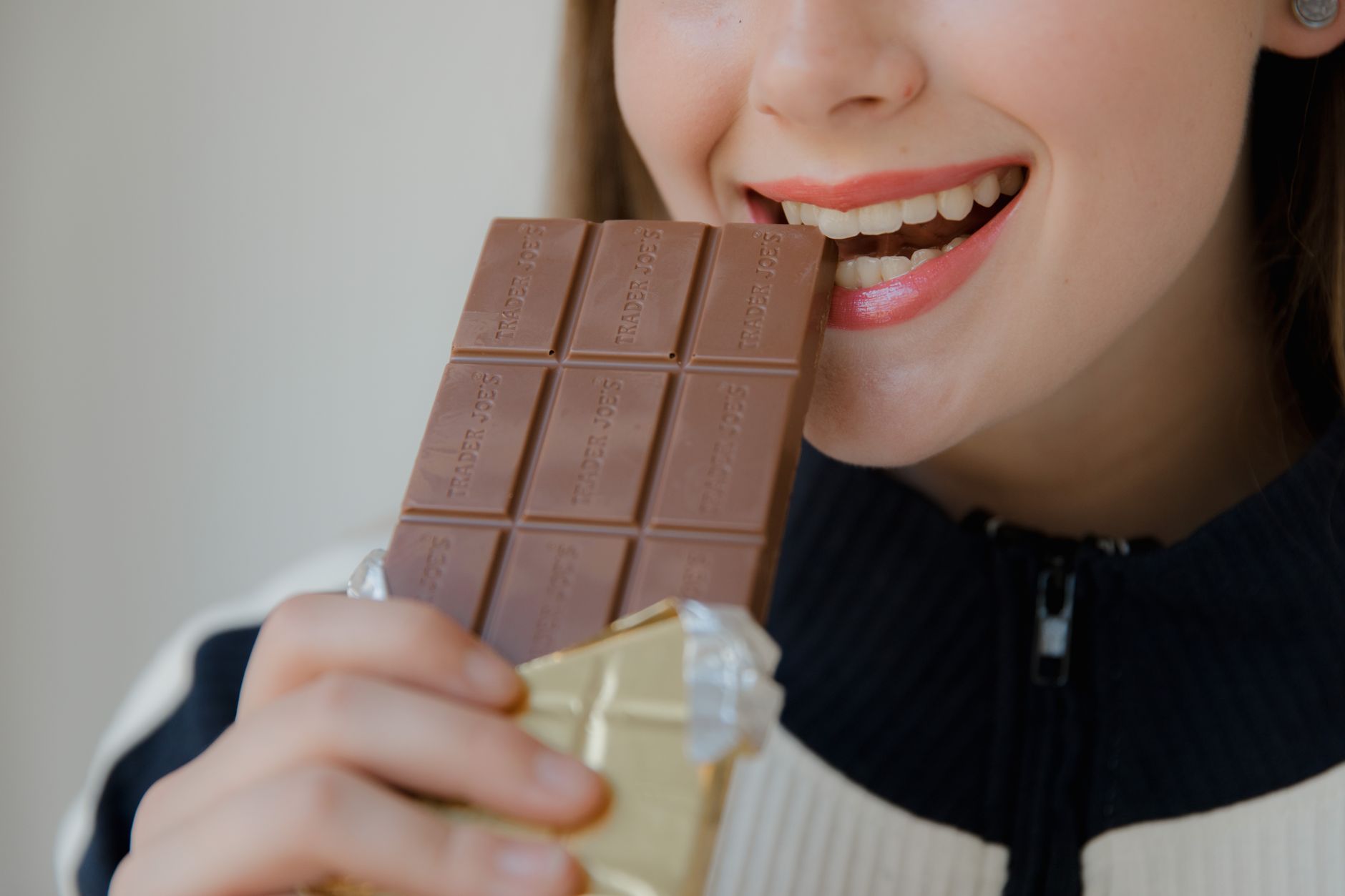
Gold chocolate is a relatively new type of chocolate that offers a unique flavor and aesthetic appeal. Featuring a stunning golden hue, it captivates not just through its appearance but also through its distinctive taste profile. This article will delve deeper into the ingredients, taste, culinary uses, and how you can incorporate gold chocolate into your cooking and baking endeavors.
As the popularity of gold chocolate continues to rise, understanding its features and applications can enhance both your culinary creations and your sweet indulgences. Whether you’re a professional chef or a home cook, knowing how to use gold chocolate can elevate your dishes and desserts.
What Is Gold Chocolate?
Gold chocolate is an innovative confection that generally consists of a combination of white chocolate mixed with additional elements that give it a golden color and distinct flavor. This chocolate variant is distinguished by its smooth, creamy texture and caramel-like or butterscotch flavor, setting it apart from traditional milk, dark, and white chocolates. The eye-catching hue can create standout presentations in a variety of desserts.
Ingredients of Gold Chocolate
The key ingredients in gold chocolate typically include:
- White Chocolate: The base of gold chocolate, white chocolate is made from cocoa butter, sugar, and milk solids. It lacks cocoa solids, giving it a creamy texture.
- Cocoa Butter: This fat derived from cocoa beans provides a rich texture and helps achieve the golden color.
- Sweeteners: Sugar is often used to enhance sweetness, contributing to the caramel flavor profile.
- Flavoring Agents: Natural flavorings, such as vanilla, caramel, or butterscotch, are added to enhance the chocolate’s taste.
- Coloring Agents: Food-grade gold coloring can also be included to achieve the distinctive golden hue, though some products achieve a more natural color through the use of caramelized sugar.
Taste Profile of Gold Chocolate
The distinctive sweetness of gold chocolate is reminiscent of butterscotch or caramel, making it a fabulous complement to various flavors. Its creamy texture contrasts beautifully with the slight crunch of various coatings or toppings. When tasted, you can expect:
- A Sweet, Creamy Flavor: Your initial bite will be characterized by a rich creaminess from the white chocolate base.
- Caramel Notes: The butterscotch and caramel flavors deepen the overall experience, providing a delightful sweetness.
- A Smooth Mouthfeel: The silky texture makes it enjoyable to eat in its pure form or as part of a larger dessert.
Culinary Uses of Gold Chocolate
Gold chocolate can be integrated into a wide range of dishes and applications, thanks to its versatile flavor and eye-catching color. Here are several popular uses:
1. Chocolate Bars and Confections
Gold chocolate can be molded into bars or other shapes, making it a festive treat during holidays or special occasions. It pairs well with nuts, dried fruits, and other inclusions to enhance texture and flavor.
2. Pastries and Desserts
In bakeries, gold chocolate is often used for enrobing pastries, creating glazes, and filling chocolates. It can elevate standard desserts, such as:
- Cakes: Use it as a layer or topping on celebratory cakes.
- Cookies: Create gourmet cookies that stand out visually and taste-wise.
- Tarts: Use gold chocolate as a filling or drizzle for added elegance.
3. Decorating and Garnishing
Thanks to its rich color and luxurious aesthetic, gold chocolate is ideal for garnishing desserts. For example, you can create chocolate shards or curls to add sophistication to cakes or tarts.
4. Chocolate Sauces and Drizzling
Incorporate melted gold chocolate in sauces to drizzle over desserts, ice cream, or even coffee beverages. It adds a whimsical touch alongside sweet flavors.
5. Artisan Treats
Gold chocolate can be mixed into artisan confectioneries like truffles, where its smooth texture creates a rich, indulgent experience.
How to Work with Gold Chocolate
Working with gold chocolate is similar to working with other types of chocolate but requires special attention to maintain its color and texture.
Melting Gold Chocolate
- Chop Gold Chocolate: Cut the chocolate into even pieces to ensure consistent melting.
- Double Boiler Method: Place the chopped chocolate in a heatproof bowl over a pot of simmering water. Stir the chocolate gently and continuously until melted.
- Microwave Method: Alternatively, place the chocolate in a microwave-safe bowl and heat it in short bursts (15-20 seconds). Stir after each interval to prevent overheating.
Tips for Successful Melting
- Use Low Heat: High temperatures can cause chocolate to seize, ruining its smooth texture.
- Add Fat: If the chocolate appears too thick, you may add a small amount of cocoa butter or vegetable oil to loosen it.
- Don’t Overheat: Take care not to overheat; once melted, remove the chocolate from heat to preserve its texture.
Tempering Gold Chocolate
If you want the gold chocolate to have a glossy finish and a firm snap when set, tempering is necessary. Here’s a simple guide:
- First Melt: Melt two-thirds of your total gold chocolate until it’s smooth and reaches around 110°F (43°C).
- Add Solid Chocolate: Stir in the remaining un-melted chocolate gradually, continuing until it cools to about 88°F to 90°F (31°C to 32°C).
- Check for Glossiness: The chocolate should appear shiny, with a thickened consistency.
Common Mistakes When Using Gold Chocolate
Despite its appealing qualities, several common mistakes can arise when working with gold chocolate:
- Overheating: As mentioned, overheating chocolate causes it to seize or lose its silky texture. Always monitor the heat closely.
- Lack of Proper Tempering: Failing to temper can lead to a dull appearance and a mushy texture, compromising presentations.
- Not Using Enough Flavoring: Gold chocolate can benefit from additional flavorings, so don’t hesitate to experiment with extracts to enhance the overall taste.
Storage of Gold Chocolate
To keep gold chocolate in perfect condition, consider the following storage guidelines:
- Temperature: Store at a cool room temperature, ideally between 65°F and 70°F (18-21°C), away from sunlight.
- Humidity: Keep it in a dry place, as humidity can cause the chocolate to bloom, affecting its texture and appearance.
- Sealing: If possible, store the chocolate in an airtight container to prevent it from absorbing unwanted odors or flavors from the environment.
Practical Substitutions for Gold Chocolate
If gold chocolate is unavailable, you might seek alternatives that offer similar flavors or appearances. Here are some options:
- Caramel Chocolate: For those looking for a flavor connection, caramel chocolate may offer a similar sweetness.
- White Chocolate with Caramel Flavoring: Mixing white chocolate with a touch of caramel flavor can replicate some taste aspects.
- Milk Chocolate with Gold Color: While the taste may differ, using milk chocolate and adding edible gold highlights can mimic the appearance.
Creative Recipe Ideas with Gold Chocolate
Here are some ideas that illustrate how to use gold chocolate creatively:
Gold Chocolate-Dipped Fruits
Enhance fresh fruits by dipping them in melted gold chocolate. Get creative with strawberries, bananas, or even citrus slices for a refreshing treat.
Gold Chocolate Cupcakes
Make chocolate cupcakes and top them with gold chocolate ganache. The creamy frosting will add a rich flavor and stunning appearance.
Gold Chocolate Bark
Create gold chocolate bark by melting gold chocolate and spreading it over a parchment-lined tray. Top it with nuts, dried fruits, or crushed cookies before letting it set. Break into pieces for an elegant gift or treat.
Conclusion
Gold chocolate is an exciting and versatile ingredient to incorporate into your culinary repertoire. By understanding its ingredients, taste profile, and various culinary uses, you can create unique and visually appealing dishes. From pastries to garnishes, gold chocolate can elevate your desserts and impress your guests.
For more inspiration, consider exploring different regional chocolate recipes like Dubai Chocolate and warming drinks such as Mexican Hot Chocolate for rich flavor experiences.