
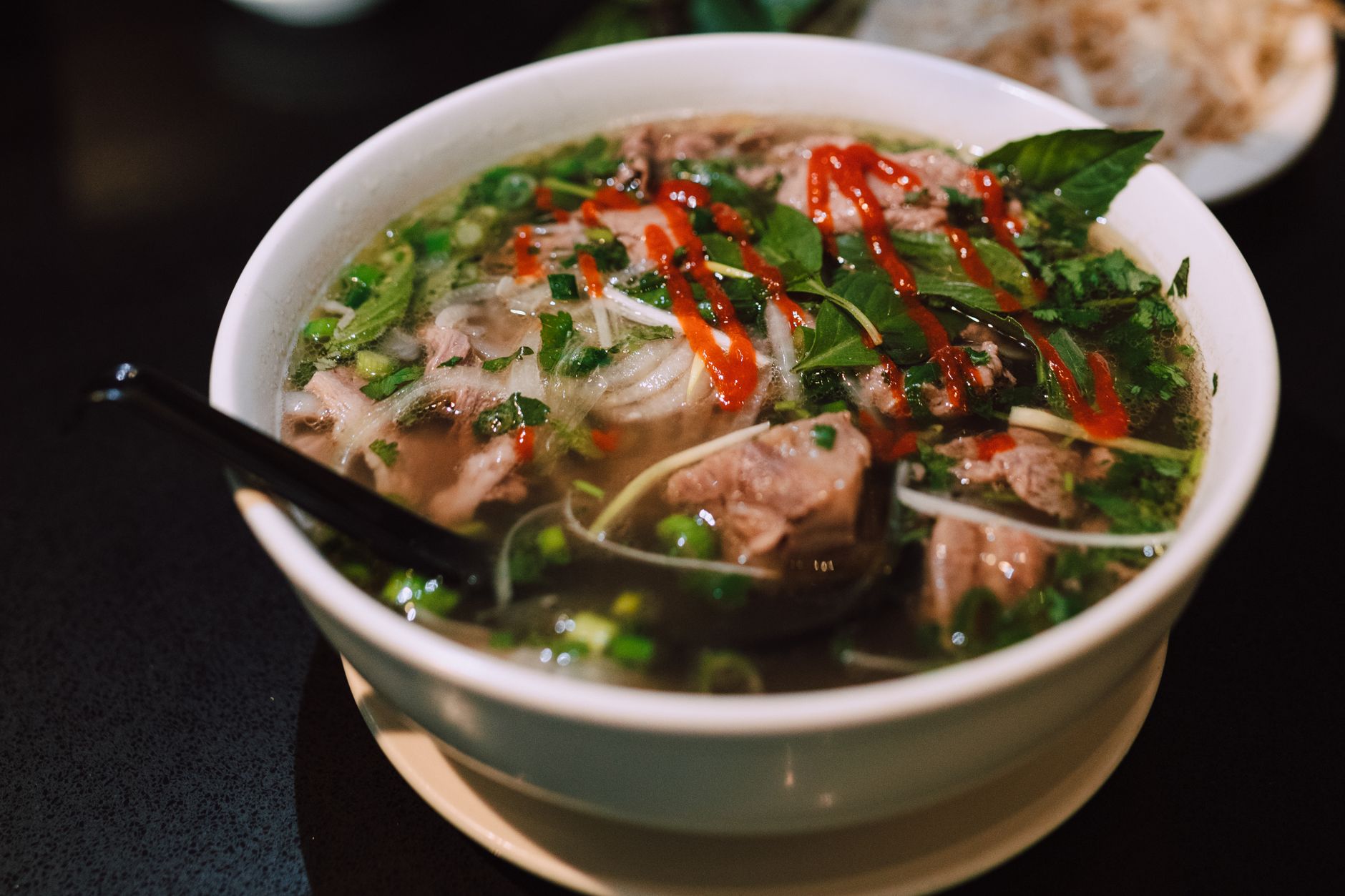
Pho, the beloved Vietnamese noodle soup, is cherished for its savory broth, aromatic herbs, and tender meat. As delicious as it is, many wonder about its caloric content, particularly when considering dietary needs and goals. This article delves into the calorie count of pho, helping you understand what to expect when you indulge in this iconic dish.
This comprehensive guide will break down the caloric impact of pho by serving size, ingredient variations, and common toppings. Understanding the components will help you make informed choices when enjoying this flavorful dish, whether at a restaurant or in your own home.
Does Pho Have a Lot of Calories?
Generally, pho can range from about 350 to over 1,000 calories per serving, depending on various factors such as the type of broth, meat, noodles, and additional toppings. Understanding these elements can help you tailor pho to fit your dietary preferences.
Caloric Breakdown of Pho
The total calorie content of pho largely depends on its composition. Here’s a detailed breakdown of the essential components found in pho:
Broth
The broth is the heart of pho, usually made from simmered beef bones or chicken, producing a rich, flavorful liquid. The caloric content of the broth can vary based on:
- Type of Bones: Beef bone broth may have more calories than chicken broth due to higher fat content.
- Cooking Time: Longer cooking times can extract more nutrients, potentially increasing caloric density.
- Seasonings and Additives: Herbs and spices add minimal calories but contribute to flavor and can alter nutritional values.
Noodles
Rice noodles (bánh phở) are typically used in pho and come in different widths. The weight of the noodles can significantly affect calories:
- Serving Size: Standard servings range from 2 to 3 ounces (56 to 84 grams), containing approximately 200-300 calories.
- Thickness: Thicker noodles may have slightly more calories than thinner varieties.
Meat
Protein options in pho include beef (brisket, flank, meatballs), chicken, seafood, or tofu, impacting the dish’s overall caloric profile:
- Beef: A standard serving (about 3 ounces) of beef can range from 200-300 calories.
- Chicken: Generally, chicken adds about 150 calories per serving (3 ounces).
- Tofu: For vegetarian options, tofu can have around 90-120 calories for a serving.
Toppings and Garnishes
Toppings enhance pho’s flavor and texture, which can alter calorie counts:
- Herbs: Fresh herbs like basil, cilantro, and mint are low-calorie and often negligible in a large dish.
- Onions: Sliced onions or scallions add flavor but generally contribute minimal calories.
- Sauces: Hoisin sauce and sriracha can add approximately 50-100 calories depending on quantity.
Caloric Comparison by Serving Size
To provide a clearer picture, let’s explore calorie counts based on different serving sizes and variations of pho:
Standard Pho Serving (Medium Size)
- Calories: Approximately 500-700 calories
- Components: About 3-4 ounces of noodles, 3 ounces of meat, and broth with minimal garnishes.
Large Pho Serving
- Calories: Approximately 800-1,000 calories
- Components: 4-5 ounces of noodles, 4 ounces of meat, excessive broth, and hearty garnishes.
Small Pho Serving
- Calories: Approximately 350-450 calories
- Components: 2 ounces of noodles, 2 ounces of meat, light broth, minimal garnishes.
Customizing Pho for Lower Calories
For those mindful of caloric intake, consider some ways to adjust your pho to lighten up the dish while still preserving its delicious flavors:
Swapping Ingredients
- Lean Proteins: Opt for chicken or seafood instead of fatty cuts of beef.
- Vegetarian Options: Use tofu or tempeh, which may provide fewer calories overall.
- Reduced Noodle Portions: Serve with less rice noodle and bulk up with more herbs and vegetables.
Portion Control
Select a smaller portion size or share a large bowl with a friend to easily cut calories without sacrificing taste.
What to Look for When Ordering Pho at Restaurants
Eating out can often lead to larger portions and unexpected calories. Here are some tips for ordering pho at restaurants:
- Check the Menu: Look for calorie counts listed on the menu; many places now include nutritional information.
- Ask for Broth-Only Options: Request extra broth instead of additional noodles to reduce carbs and calories.
- Choose the Right Sides: Opt for simple sides and salads that won’t add significant calories to the meal.
Make Your Own Pho at Home
Making pho at home allows you to control ingredients, portions, and flavors. Below is a simplified recipe—perfect for anyone ready to take a culinary journey.
Recipe for Homemade Pho
This homemade pho recipe yields about 4 servings and takes roughly 2 hours to prepare.
Ingredients
- 4 quarts beef broth or chicken broth (homemade or store-bought)
- 1 pound beef brisket or chicken thighs
- 8 ounces rice noodles
- 1 onion, quartered
- 2 inches of ginger, sliced
- 2-3 star anise pods
- 1 cinnamon stick
- Fresh herbs (basil, cilantro, mint) for garnish
- Sliced jalapeños (optional)
- Sriracha and hoisin sauce (optional)
Method
- In a large pot, combine the broth with onion, ginger, star anise, and cinnamon stick. Bring to a boil, then simmer for 1.5 hours.
- While the broth simmers, cook the rice noodles according to package instructions. Drain and set aside.
- After 1.5 hours, remove the solids from the broth and add your choice of meat. Cook until tender, about 10-15 minutes.
- Divide noodles into bowls and ladle the hot broth and meat over the noodles.
- Top with fresh herbs, jalapeños, and condiments if desired. Serve hot.
Storage and Reheating Tips
If you have leftover pho, proper storage is crucial to maintain its flavors:
- Broth and Noodles: Store the broth separate from the noodles to prevent sogginess.
- Storage: Keep leftovers in airtight containers. The broth can last 3-4 days in the refrigerator; noodles are best consumed within 2 days.
- Reheating: Reheat broth until it’s simmering hot and quickly warm noodles in hot water before serving.
Common Mistakes to Avoid
When preparing pho, be mindful of these common pitfalls:
- Overcooking Noodles: Cook noodles according to package instructions; they can become mushy if overdone.
- Ignoring Broth Quality: A rich, deep broth makes all the difference; don’t rush the simmering process.
- Neglecting Seasoning: Taste and adjust seasoning before serving; balance is key to an enjoyable pho experience.
Conclusion
Pho can be as calorie-conscious or indulgent as you choose, depending on your ingredient selections and portion sizes. By understanding the various components and nutritional content, you can enjoy this flavorful dish without any surprises. Whether you’re dining out or cooking at home, making informed choices will enhance your pho experience.
Explore related recipes, cooking tips, and food guides, including how many calories are in pho and what pho tastes like, to continue expanding your culinary knowledge. Enjoy your journey through the world of pho!