
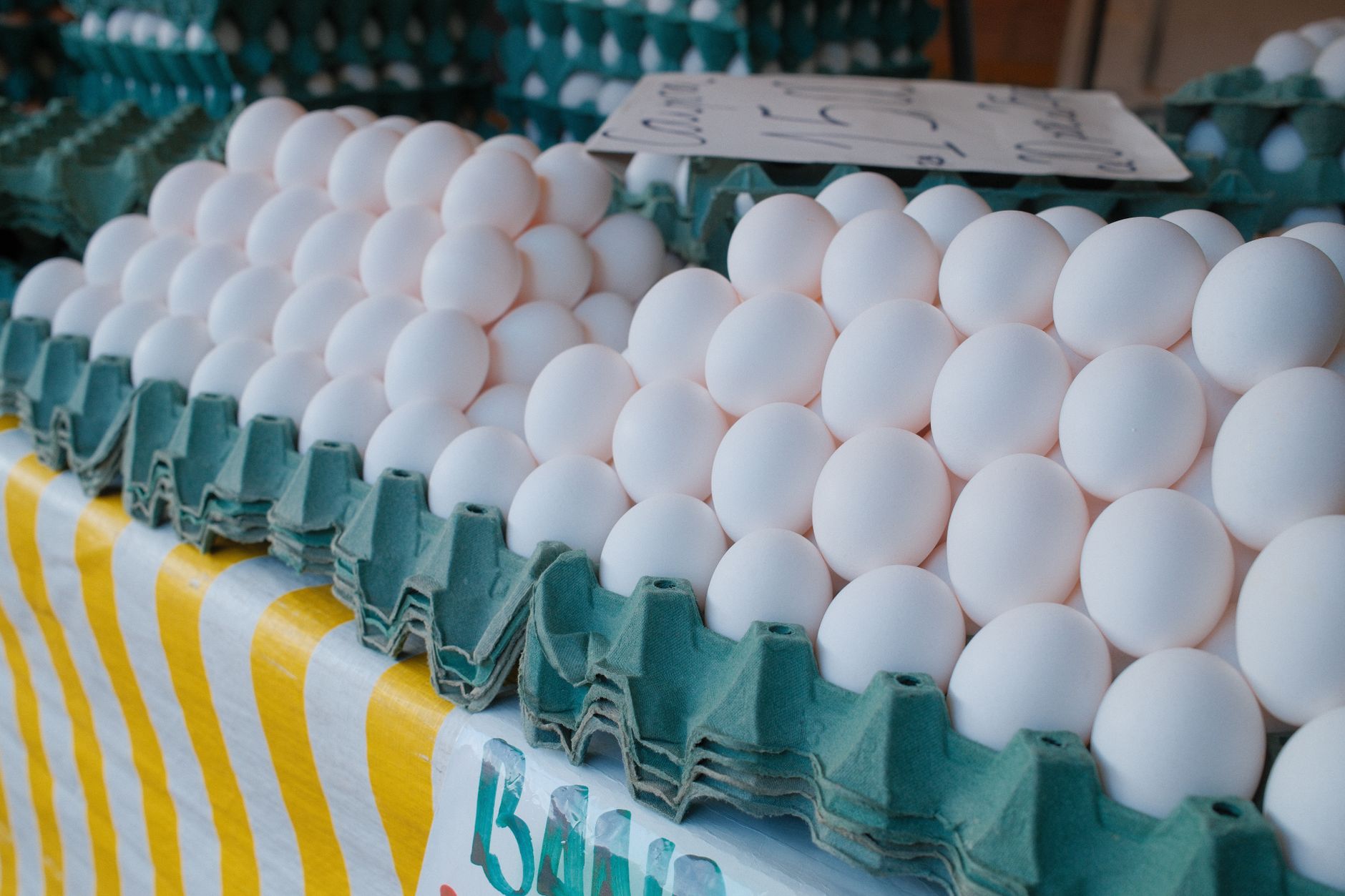
Eggs are not just a versatile staple in many kitchens, they are also packed with nutrients, including iodine. Understanding the iodine content in eggs can help you optimize your intake of this essential mineral, especially if you’re conscious about your dietary choices. This article will explore the iodine content in eggs, how various factors influence it, and practical tips for incorporating iodine-rich foods into your diet.
We’ll also discuss the different sizes of eggs, the impact of farming practices on iodine levels, and how to ensure that you are getting enough iodine through other sources, should you need to supplement your diet. If you’re curious about the iodine content in eggs, you’ve come to the right place!
How Much Iodine in Eggs?
The iodine content in eggs can vary based on a few factors, such as hen diet and egg size. On average, a large egg contains about 24–30 micrograms of iodine. This amount contributes positively to the daily recommended intake, which is about 150 micrograms for most adults.
Understanding Iodine and Its Importance
Iodine is a trace element that is vital for the production of thyroid hormones, which regulate metabolism, growth, and development. A deficiency can lead to several health issues, such as goiter and developmental problems in children.
Most people get their iodine from iodized salt, seafood, and dairy products, but incorporating iodine-rich foods like eggs into your diet can also help meet your needs. As we examine the iodine content in eggs, it’s important to consider how preparation methods and serving sizes may affect this mineral’s availability in your diet.
How Iodine Content Varies by Egg Size
Egg size plays a crucial role in determining iodine levels. The USDA categorizes eggs into different sizes based mostly on weight. Here’s how the average iodine content progresses with different sizes:
| Egg Size | Minimum Weight (oz) | Average Iodine Content (mcg) |
|---|---|---|
| Medium | 21 oz | 18–23 |
| Large | 24 oz | 24–30 |
| Extra Large | 27 oz | 30–35 |
| Jumbo | 30 oz | 35–40 |
As illustrated above, larger eggs generally contain more iodine. For individuals seeking to boost their iodine intake, choosing larger egg sizes may be beneficial.
Factors That Influence Iodine Content in Eggs
Several factors contribute to the iodine content in eggs, and understanding them can help you make informed choices.
Hen Diet
The primary determinant of iodine concentration in eggs is the diet of the hens that lay them. Hens fed iodine-rich diets, which usually include seaweed or iodine-fortified feed, will produce eggs with higher iodine levels. Therefore, the source of your eggs—whether they are from factory farming, free-range farms, or organic producers—can significantly impact iodine content.
Farming Practices
Conventional farming practices may not prioritize iodine in hen diets. In contrast, smaller farms or those focusing on organic produce often have more control over feed formulations and may include iodine-rich ingredients. When shopping for eggs, consider looking for brands that highlight their iodine-rich feed in their marketing.
Egg Preparation Methods
The way you prepare eggs can also affect their nutritional content, including iodine levels. For instance, boiling or poaching eggs generally preserves more nutrients compared to frying, which can introduce oils and may impact the absorption of other nutrients. If you’re looking to maximize iodine intake, consider cooking methods that maintain the nutritional richness of the egg.
How to Incorporate Iodine-Rich Foods into Your Diet
In addition to consuming eggs, there are various other iodine sources that can help you meet your daily needs.
Marine Foods
Seafood is one of the richest sources of iodine. Shellfish, cod, shrimp, and sea vegetables like nori or kombu are excellent choices for increasing iodine intake. Including these foods in your weekly meal plan can be an effective strategy.
Dairy Products
Dairy is another great source of iodine. Milk, yogurt, and cheese tend to provide significant amounts, especially when sourced from iodine-fortified feed. Incorporating these products into your meals, such as in smoothies, casseroles, or morning cereals, can also enhance iodine levels in your diet.
Iodized Salt
Iodized salt is a straightforward way to ensure you are getting adequate iodine. However, it’s important to use this judiciously if you are also consuming other sources of iodine to avoid excessive intake, which could be harmful.
Other Sources of Iodine
- Potatoes
- Cranberries
- Fruits and Vegetables (varies by soil content)
Possible Deficiencies and Their Effects
Understanding iodine levels in your diet is crucial as deficiencies can lead to significant health issues. Symptoms may include fatigue, weight gain, hair loss, and a goiter (an enlarged thyroid gland).
It’s essential to monitor your iodine intake, especially if you belong to groups at higher risk of deficiency, such as pregnant women or vegans. If you suspect you have a deficiency, consult a healthcare professional for tailored advice.
Common Mistakes in Measuring Iodine Intake
When trying to ensure adequate iodine intake, people often make a few common mistakes:
- Assuming all eggs contain the same iodine levels: As discussed, iodine content significantly varies with egg size and hen diet.
- Not registering the impact of cooking: Certain methods may impact iodine retention, so apply cooking techniques that preserve nutrients.
- Over-relying on one type of food: It’s best to have a balanced approach that includes multiple sources of iodine.
Advice for Optimizing Iodine Intake
To ensure you are getting enough iodine in your diet, consider the following strategies:
- Choose larger eggs if possible, as they typically contain more iodine.
- Integrate other iodine-rich food sources, like seaweed, seafood, and dairy.
- Pay attention to the feed type of the poultry source to ensure they contain iodine-enriched feed.
- Keep tabs on potential deficiencies by considering your dietary habits and adjusting accordingly.
Storage and Freshness of Eggs
To maintain the health benefits of eggs, including their iodine content, proper storage is crucial. Here’s how to store eggs effectively:
- Keep eggs in the refrigerator to maintain freshness and nutrient levels.
- Avoid storing eggs in the door, as the temperature fluctuates more there; instead, place them on a middle shelf.
- Try to consume eggs within the sell-by or expiration date for the best quality.
Conclusion: Making Eggs a Nutritious Choice
Understanding the iodine content in eggs and other dietary factors can have a positive influence on your nutritional choices. Utilizing larger eggs with a focus on iodine-rich diets help address potential deficiencies effectively. Balance your diet with a diverse array of iodine sources, ensuring that you contribute positively to your health.
Don’t forget to explore related topics to discover more about other nutritious food choices. Check out our guides on the calorie content in scrambled eggs at how many calories in 2 scrambled eggs and storing eggs effectively at how long can you keep eggs in the refrigerator.