
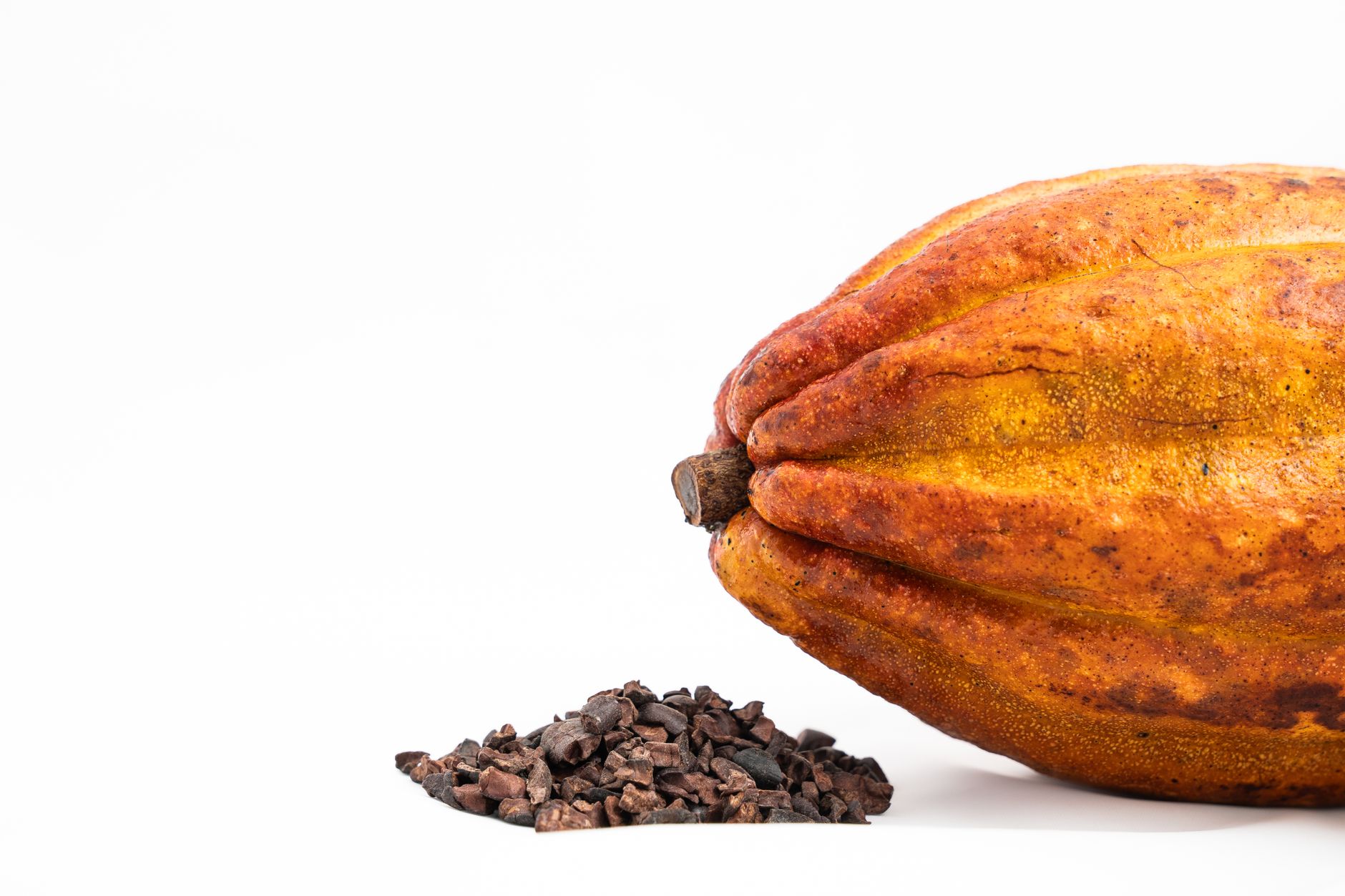
Cacao and cocoa are often used interchangeably in conversation and recipes, causing confusion for many home cooks and chocolate enthusiasts. While both terms refer to products derived from the cacao bean, their differences lie in their processing, nutritional content, flavor, and culinary uses.
This article will clarify the distinctions between cacao and cocoa, explore their uses in cooking and baking, suggest substitutes for each, and provide guidance on selecting the right product for your culinary creations.
What Is The Difference Between Cacao And Cocoa?
Cacao refers to the raw, unprocessed form of chocolate, while cocoa is the processed version that is typically used in baking and cooking. The main differences between the two include processing methods, flavor profiles, and health benefits.
Understanding Cacao
Cacao is derived from the Theobroma cacao tree, where the beans are harvested, fermented, dried, and crushed into a paste known as cacao mass or liquor. This paste can be pressed to separate the fat (cocoa butter) from the solids, resulting in cacao powder. Importantly, cacao is often considered a superfood, rich in antioxidants, vitamins, and minerals.
Cacao Processing Methods
The processing of cacao beans is minimal, which allows it to retain most of its natural nutrients. Here are some key steps in cacao processing:
- Harvesting: Cacao pods are harvested from cacao trees, usually by hand.
- Fermentation: The beans are fermented for several days, helping to develop flavor.
- Drying: Fermented beans are then dried, often in the sun.
- Grinding: The dried beans are ground into cacao liquor, which can be separated into cacao powder and cocoa butter.
Flavor Profile of Cacao
Cacao tends to have a more intense and slightly bitter flavor compared to cocoa. It often retains fruity and floral notes due to its minimal processing, making it a favorite among those who prefer a more natural chocolate taste.
Health Benefits of Cacao
Cacao is celebrated for its health benefits. It’s rich in antioxidants known as flavonoids, which may support heart health, reduce inflammation, and improve brain function. Additionally, cacao is high in magnesium, iron, and fiber. However, it’s important to consume it in moderation due to its natural fat content.
Understanding Cocoa
Cocoa comes from cacao beans that have undergone more extensive processing. After fermentation, drying, and roasting, the process of alkalinization may be applied to cocoa powder, resulting in Dutch-processed cocoa or natural cocoa powder. This process alters the flavor and pH of the powder, making it less acidic.
Cocoa Processing Methods
Cocoa is typically processed in the following ways:
- Roasting: Beans are roasted at high temperatures, which intensifies flavor but also diminishes some nutrients.
- Pressing: The roasted beans are pressed to extract cocoa butter, leaving behind the solid cocoa cake.
- Grinding: The cocoa cake is ground into cocoa powder, which is often treated with alkali (for Dutch cocoa) to neutralize its acidity.
Flavor Profile of Cocoa
Cocoa offers a milder and more consistent flavor than cacao, often exhibiting a richer, darker chocolate taste with less bitterness. The Dutch-processed cocoa is smoother and has a more mellow flavor, making it well-suited for recipes that require baking.
Health Benefits of Cocoa
Cocoa still possesses some health benefits, although the roasting and alkalinization processes reduce its antioxidant content compared to raw cacao. Cocoa is still a source of flavonoids though, and it may still be beneficial for heart health when consumed in moderation.
Uses of Cacao and Cocoa in Cooking and Baking
Both cacao and cocoa can be used in various culinary applications, but their unique characteristics determine their best uses. Here’s a breakdown of how each is typically used:
Culinary Uses of Cacao
Cacao is popularly used in health-focused recipes and raw desserts due to its intense chocolate flavor. Common uses include:
- Smoothies: Add cacao powder to smoothies for a nutrient-rich chocolate flavor.
- Baking: Use cacao in raw brownie or chocolate recipes that require unprocessed ingredients.
- Snack Bars: Incorporate cacao into homemade energy bars or snacks for an antioxidant boost.
Culinary Uses of Cocoa
Cocoa is widely used in traditional baking and cooking. Common uses include:
- Brownies and Cakes: Cocoa powder is a staple in recipes for chocolate cakes, brownies, and cookies.
- Hot Chocolate: Cocoa powder is often used to make hot chocolate or chocolate milk.
- Pastry and Confectionery: Many chocolates, mousses, and puddings are made with cocoa powder for a smoother texture.
Substitutes for Cacao and Cocoa
When you find yourself without cacao or cocoa at hand, several substitutes can work depending on your recipe and desired flavor profile. Here are some options:
Substitutes for Cacao
- Unsweetened Cocoa Powder: This can be used in place of raw cacao; however, it may yield a slightly different flavor and fewer nutrients.
- Cacao Nibs: For a crunchy texture, cacao nibs can be used as a topping or mix-in, providing a more intense chocolate flavor.
- Carob Powder: If you’re looking for a caffeine-free option, carob powder can replace cacao in recipes, although it has a naturally sweeter profile.
Substitutes for Cocoa
- Cacao Powder: Unsweetened cacao powder can serve as an alternative to cocoa in many baked goods, but consider the taste and texture differences.
- Chocolate Syrup: For added sweetness, chocolate syrup can replace cocoa in certain recipes; however, you may need to adjust other sugar measurements.
- Dutch-Processed Cocoa: If you’re using natural cocoa in a recipe, you can often substitute it with Dutch-processed cocoa in equal measures for a smoother flavor.
Common Mistakes When Using Cacao and Cocoa
Here are a few common pitfalls to avoid when working with cacao and cocoa:
- Assuming They Are Interchangeable: Although both are derived from cacao beans, their flavor and nutritional content may not yield the same results in recipes.
- Ignoring Processing Methods: Always check whether your recipe calls for raw cacao or processed cocoa, as they perform differently and vary in flavor.
- Overbaking with Cocoa: Cocoa can dry out baked goods more than cacao, so monitor baking times closely to avoid tough texture.
Storage and Handling Tips
To maintain the quality and freshness of both cacao and cocoa products, consider the following storage techniques:
- Cool, Dark Place: Store cacao and cocoa in a cool, dark place away from direct sunlight to prevent discoloration and rancidity.
- Airtight Containers: Use airtight containers to keep oxygen out, which can lead to spoilage.
- Check Expiration Dates: Always check the packaging for expiration dates; old cacao and cocoa can lose flavor and nutritional value.
In Summary
Your choice between cacao and cocoa depends on your recipe and personal preference. Cacao is ideal for raw, health-focused recipes, while cocoa serves well in traditional baking. Understanding their differences allows you to make informed choices in your culinary adventures.
Next time you’re at the store, consider your options wisely, whether you’re making a rich chocolate cake, a smoothie, or a delightful hot chocolate.
Explore related recipes and guides such as our Mexican Hot Chocolate Recipe and Dubai Chocolate Recipe to enhance your dessert-making journey.