
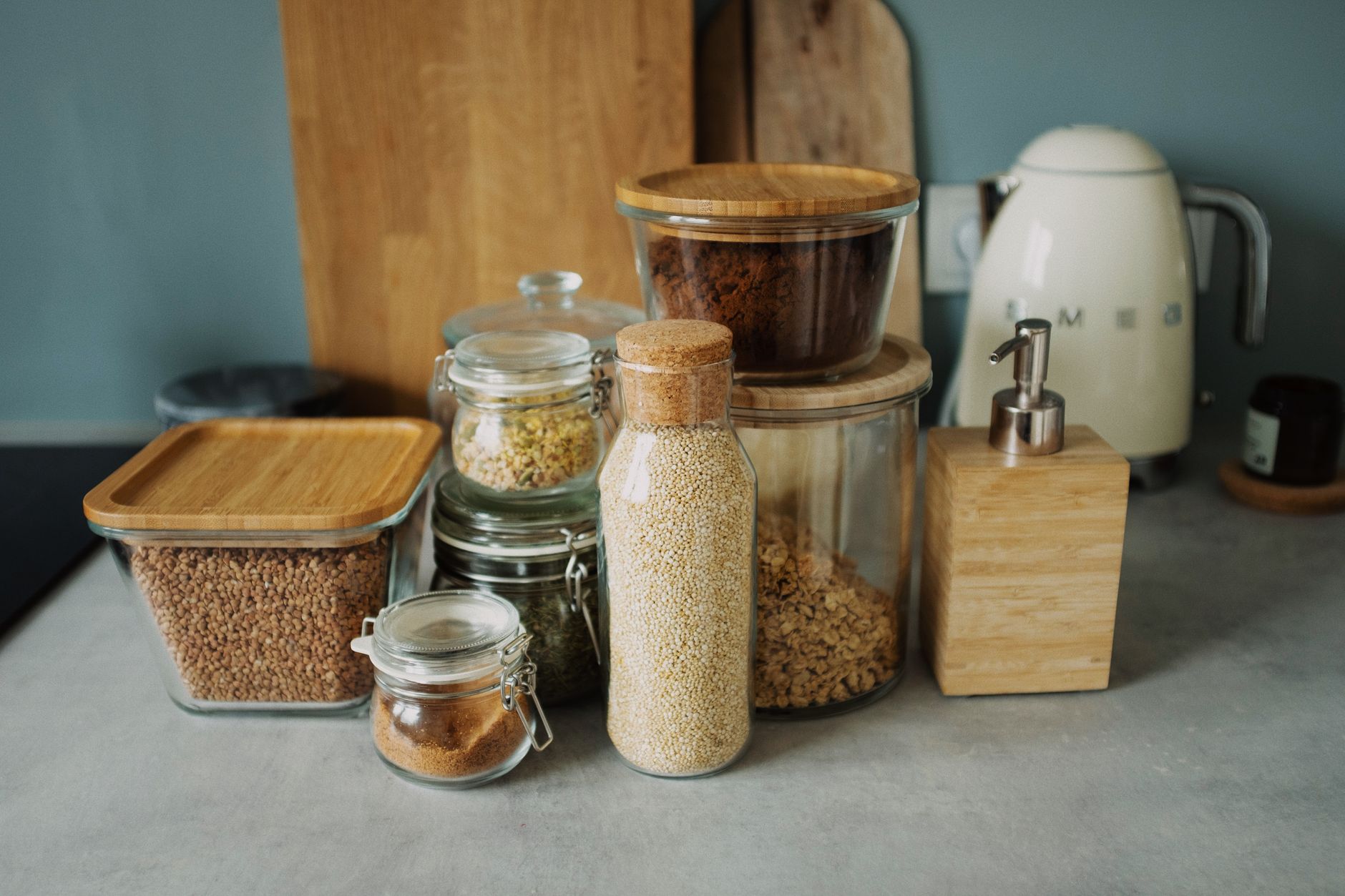
Quinoa, a nutritious pseudo-grain, has gained significant popularity for its health benefits and versatility in various dishes. However, many people wonder about its shelf life, storage methods, and how to identify spoilage. This guide provides all you need to know about quinoa, ensuring you can enjoy its wholesome goodness without worry.
In this article, we’ll answer the question, “Can quinoa go bad?” We’ll explore its shelf life, storage tips, spoilage signs, and best practices to ensure you get the most out of this superfood.
Can Quinoa Go Bad?
Yes, quinoa can go bad, but its shelf life significantly depends on its form and how it is stored. Uncooked quinoa has a long shelf life compared to cooked quinoa, which needs to be consumed within a few days. Understanding the right storage conditions can extend its freshness and quality.
The Shelf Life of Quinoa
Uncooked Quinoa
- Raw Quinoa: When stored correctly, uncooked quinoa can last up to 2 to 3 years beyond its expiration date. Keep it in a cool, dark place.
- Sealed Package: An unopened package can last longer than an opened one due to moisture and air exposure. Still, it’s wise to check the expiration date.
Cooked Quinoa
- Refrigerated Quinoa: After cooking, quinoa can be stored in the refrigerator for about 3 to 5 days. Ensure it is in an airtight container to prevent drying or contamination.
- Frozen Quinoa: For longer storage, cooked quinoa can be frozen for up to 3 months. Make sure to portion it in meal-sized servings before freezing.
Proper Storage of Quinoa
To ensure quinoa remains fresh for as long as possible, proper storage techniques are crucial. Here are some effective methods:
Storing Uncooked Quinoa
- Air-tight Containers: Transfer quinoa to an airtight container after opening the package. This protects it from moisture, air, and pests.
- Cool, Dry Place: Store the container in a pantry or cupboard that stays cool and dark, away from direct sunlight.
- Label and Date: Use a permanent marker to label the container with the purchase or expiration date to track its shelf life.
Storing Cooked Quinoa
- Cooling: Let cooked quinoa cool down to room temperature before storing it to avoid condensation in the container.
- Airtight Storage: Place the cooled quinoa in an airtight container before putting it in the refrigerator or freezer.
- Portioning: For freezing, portion servings into freezer bags or containers to avoid thawing and refreezing.
Signs That Quinoa Has Gone Bad
Recognizing spoilage signs can help you prevent consuming bad quinoa. Here are some key indicators:
Uncooked Quinoa
- Off Odor: If quinoa emits a foul or unusual smell, it may be spoiled.
- Color and Texture Changes: Look out for any abnormal discoloration or a change in texture, such as clumping or the presence of insects.
- Mold or Foreign Particles: Any visible mold or the presence of pests are clear signs that you should discard the quinoa.
Cooked Quinoa
- Smell: Cooked quinoa should have a mild, nutty aroma. If it smells sour, discard it.
- Texture: If the quinoa becomes slimy or noticeably mushy, this is a sign of spoilage.
- Visible Signs: Check for mold or any unusual discoloration (like yellowing), which indicates that it should not be consumed.
Cooking and Using Quinoa
After ensuring you have fresh quinoa, you might be curious about how to use it effectively. Quinoa is incredibly versatile and can be featured in a variety of dishes.
Basic Cooking Method
Cooking quinoa is straightforward. Here’s a simple method:
- Rinse the Quinoa: Place the desired amount of quinoa in a fine-mesh strainer and rinse under cold water for about 1-2 minutes. This helps remove its natural coating, called saponin, which can taste bitter.
- Combine with Water: Use a 2:1 ratio of water to quinoa. For every cup of quinoa, add two cups of water or broth for additional flavor.
- Bring to a Boil: In a saucepan, bring the mixture to a boil over medium-high heat.
- Simmer: Once boiling, reduce the heat to low, cover, and let it simmer for about 15 minutes or until the quinoa has absorbed all the water and appears fluffy.
- Fluff and Serve: Turn off the heat and let it sit covered for 5 minutes. Fluff with a fork before serving.
Flavoring and Using Quinoa
Quinoa can serve as a base for countless dishes. Consider the following ideas:
- Salads: Toss cooked quinoa with fresh vegetables, herbs, and a vinaigrette for a nutritious salad.
- Bowls: Use quinoa as a base for grain bowls topped with proteins (like chicken or tofu) and vegetables.
- Soups and Stews: Add cooked quinoa to soups or stews for additional texture and protein.
- Breakfast: Try quinoa as a warm cereal topped with fruits, nuts, and a drizzle of honey for a wholesome breakfast option.
Practical Tips for Using Quinoa
Utilizing quinoa in your meal prep is not only healthy but also easy with a few practical tips:
- Batch Cooking: Cook a large batch of quinoa at the beginning of the week to use in various meals, from salads to stir-fries.
- Experiment with Flavors: Infuse quinoa cooking water with spices or broth for an extra flavor boost.
- Substitutions: Consider substituting quinoa in recipes that call for rice or other grains. Adjust cooking times as needed.
- Leftovers: Get creative with leftover quinoa. Incorporate it into veggie patties or add to smoothies for an extra protein punch.
Common Mistakes When Cooking Quinoa
Even though quinoa is straightforward to cook, mistakes can happen. Here are a few common ones to avoid:
- Skipping the Rinse: Not rinsing quinoa can leave a bitter taste due to saponin. Always rinse before cooking.
- Incorrect Water Ratio: Using too little or too much water can lead to dry or overly mushy quinoa. Stick to the 2:1 water to quinoa ratio.
- Overcooking: Cooking quinoa for too long can make it gummy or mushy. Monitor the cooking time closely.
- Not Letting It Sit: Skipping the resting step after cooking means missing out on fluffiness. Let it sit covered for a few minutes before serving.
Conclusion and Next Steps
Understanding whether quinoa can go bad is essential for storage and meal planning. By following the proper storage guidelines and recognizing the signs of spoilage, you can enjoy quinoa’s health benefits without worry. From cooking methods to smart storage tips, ensure you always have fresh quinoa on hand.
Don’t forget to explore more related topics to enhance your culinary skills and knowledge. Check out our articles on whether chia seeds can go bad or learn how long cooked chicken lasts for optimal meal planning and food safety.