
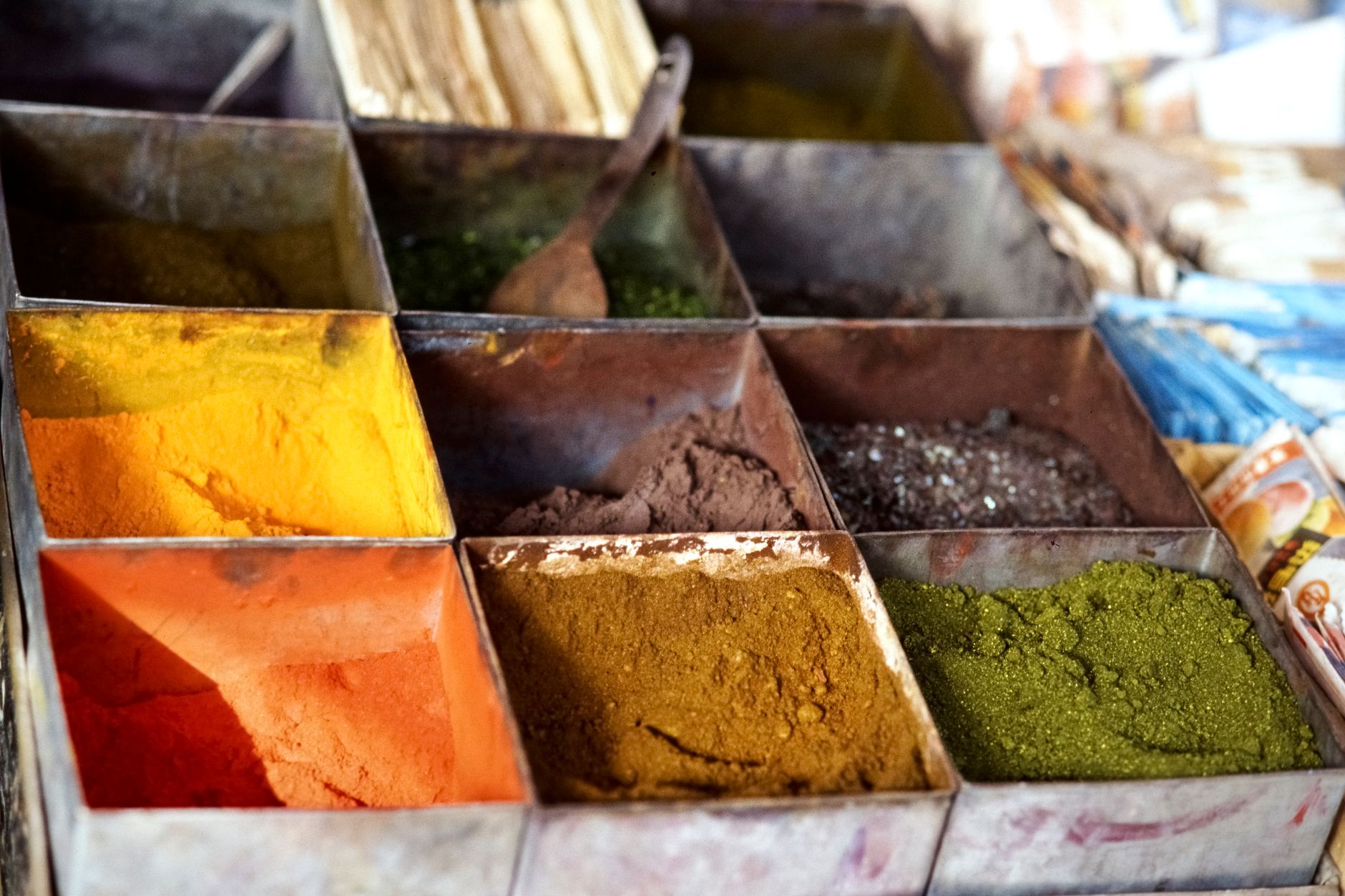
Spices are an essential part of cooking, adding flavor and aroma to dishes around the world. However, many home cooks wonder about the longevity of their spices. Specifically, how long can you use spices after their expiration date? Understanding how to properly store and assess the freshness of your spices can significantly enhance your culinary endeavors.
This article explores the lifespan of spices after their expiration date, covering how to recognize freshness, methods for extending shelf life, and tips for proper storage. By the end, you will feel more confident using those spices from the back of your pantry.
How Long Are Spices Good After Expiration Date?
Most spices maintain their flavor and effectiveness for several months to a few years past their expiration date when stored correctly. While they may not be harmful to consume, their potency and flavor might lessen over time, impacting your cooking. Always check for signs of stale spices before using them in your recipes.
Understanding Expiration Dates
Expiration dates on spice jars can be confusing. Unlike perishable items such as dairy or meat, spices do not become unsafe to eat after their expiration date; rather, their flavor may diminish. Here’s a breakdown:
- Best By: Indicates when the spice will be at its peak quality.
- Use By: Generally refers to quality rather than safety and is often conservative in its estimation.
- Sell By: Typically aimed at retailers, this date helps manage inventory and does not pertain to user consumption.
Factors Affecting Spice Lifespan
Several factors influence how long spices remain fresh and flavorful:
- Type of Spice: Whole spices often last longer than ground spices. For example, whole peppercorns may remain potent for several years, while ground pepper usually offers peak flavor for about 3-4 years.
- Storage Conditions: Spices should be kept in a cool, dark place away from moisture and direct sunlight. Heat can degrade their quality.
- Packaging: Spices in sealed containers last longer. Once opened, they are subject to air exposure, which can compromise freshness.
Signs That Spices Have Gone Bad
Even if a spice is technically safe to consume past its expiration date, it’s essential to check for signs of deterioration. Here are key indicators to watch for:
- Loss of Aroma: Fresh spices emit strong aromas that enhance your dishes. If they smell bland or musty, it’s a sign they have lost potency.
- Change in Color: Vibrant colors indicate fresh spices. If they appear faded or dull, consider replacing them.
- Texture Changes: Clumping or a hard texture may occur due to moisture. Spices should be dry and free-flowing.
- Taste Tests: A small taste can help determine freshness; if the flavor is muted, it’s time for new spices.
Extending the Lifespan of Your Spices
Maintaining your spices’ freshness and potency involves various techniques:
- Proper Storage: Store spices in airtight containers made of glass or dark plastic to limit exposure to air and light.
- Cool Environment: Avoid storing spices above the stove or near the oven. Instead, place them in a pantry or cupboard where temperatures are stable.
- Check Expiration Dates: Regularly review the expiration dates on your spices and replace them as necessary.
Best Practices for Using Spices
When incorporating spices into your cooking, following certain best practices can maximize their flavor:
- Blooming Spices: Toasting whole spices in a dry pan or blooming ground spices in oil before adding other ingredients helps release their essential oils and enhance their flavors.
- Using Fresh Spices: Whenever possible, opt for fresh or even homemade spice blends, as they tend to have superior flavor compared to pre-packaged spices.
- Keeping a Stock List: Maintain an inventory of your spice collection, noting their purchase and expiration dates to ensure freshness.
Common Types of Spices and Their Shelf Lives
Knowing the shelf lives of common spices can help in your planning. Below is a list of several popular spices and their expected longevity past expiration:
| Spice | Type | Shelf Life (Years) |
|---|---|---|
| Black Pepper (whole) | Whole | 3-4 |
| Black Pepper (ground) | Ground | 2-3 |
| Cinnamon (whole sticks) | Whole | 4-5 |
| Cinnamon (ground) | Ground | 2-3 |
| Oregano | Dried | 2-3 |
| Thyme | Dried | 2-3 |
| Turmeric | Ground | 3-4 |
| Cumin (whole) | Whole | 4-5 |
| Cumin (ground) | Ground | 2-3 |
| Chili Powder | Ground | 2-3 |
Practical Tips for Spice Management
Effective spice management helps ensure you make the most of your collection. Here are some practical tips to keep in mind:
- Labeling Containers: Always label your spice containers with the purchase date and expiration date. This will help you track freshness better.
- Use First In, First Out (FIFO): When purchasing new spices, place them behind older ones to ensure you use the older spices first.
- Keep a Spice Journal: Maintain a record of spices used, their purchase dates, and notes on flavor potency to help guide future purchases.
When to Toss Spices
Knowing when to let go of an old spice can sometimes be tricky. Here are a few guidelines:
- Stale Flavor: If you find that a spice no longer contributes any flavor, it’s time to discard it.
- Visual Signs: Mold, clumping, or the presence of pests such as moths warrant immediate disposal.
- Odor Changes: If a spice has a rancid or unusual smell, it should not be used.
Cooking with Expired Spices
Using expired spices does not necessarily mean compromising on flavor. However, here are a few strategies you might consider:
- Combine Flavors: Mix expired spices with fresh herbs or spices to boost flavor, ensuring your dish doesn’t lose its intended zest.
- Utilize for Infusions: If spices are primarily lacking in flavor, consider using them for infusions in liquids like stocks, broths, or marinades. The longer infusion time can help extract residual flavors.
Making the Most of Whole Spices
Whole spices can have a longer shelf life and offer a more intense flavor when used correctly. Here’s how to maximize their potential:
- Grind Just Before Use: Invest in a spice grinder to process whole spices right before using them. This ensures the essential oils remain intact for maximum flavor.
- Experiment with Different Uses: Whole spices can be incorporated into marinades, stews, and simmered sauces to develop their full flavor profile.
Conclusion
Spices can remain viable for an extended period after their expiration dates, but recognizing the signs of aging is crucial for maintaining delicious flavors in your cooking. Proper storage and management practices will help ensure the best culinary experiences. If you have spices that you suspect are past their prime, evaluate them carefully before deciding to use or replace them.
For further exploration of food topics, consider learning about how to extend the shelf life of chia seeds or finding a substitute for coriander in recipes.