
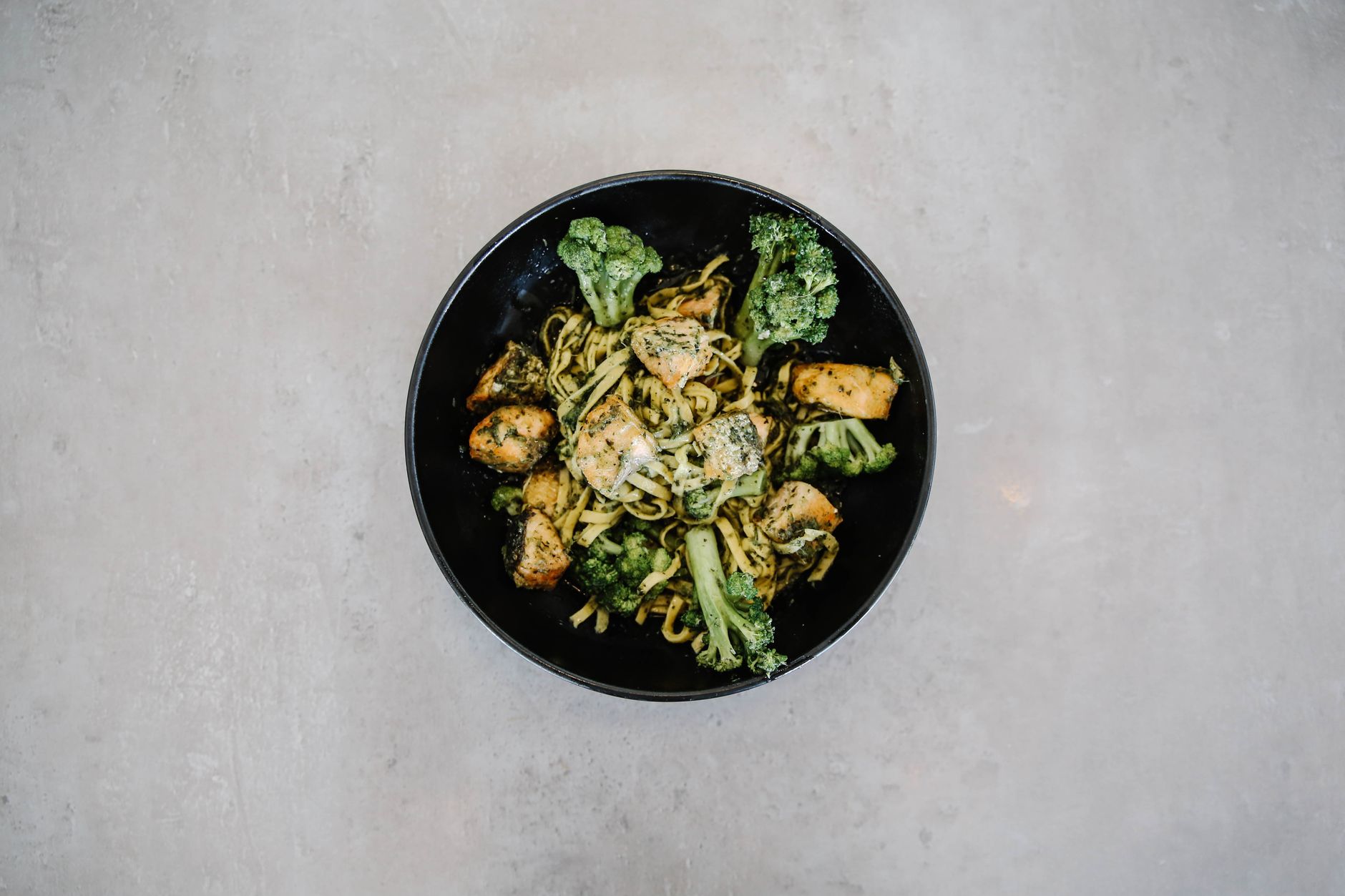
Gluten-free pasta has gained popularity as more people adopt gluten-free diets for health reasons or lifestyle choices. Understanding what gluten-free pasta is made of can help you select the right kind for your meals. This ingredient guide will explore the types of flours used, their characteristics, and how they contribute to gluten-free pasta’s flavor and texture.
Whether you’re cooking for yourself or a loved one with gluten sensitivities, knowing the options available will make your mealtime preparation easier and more enjoyable. Let’s dive deep into the ingredients that make up gluten-free pasta.
What Is Gluten Free Pasta Made Of?
Gluten-free pasta is primarily made from various non-wheat flours that do not contain gluten, a protein found in wheat, barley, and rye. These alternative flours include rice flour, corn flour, lentil flour, chickpea flour, and others, which provide unique textures and flavors.
The Main Ingredients in Gluten-Free Pasta
Gluten-free pasta is diverse, and the ingredients can greatly affect the taste and texture. Below are the most common components used in gluten-free pasta production.
1. Rice Flour
Rice flour is one of the most prevalent ingredients in gluten-free pasta. It has a neutral flavor and a fine texture, making it a versatile option. Pasta made from rice flour often has a slightly chewy texture, similar to traditional wheat pasta. Additionally, rice flour is easy to digest and packed with carbohydrates.
2. Corn Flour and Corn Starch
Corn flour adds sweetness and a homely comfort to gluten-free pasta. It is less processed than corn starch and contributes a tender texture. Corn starch, often used as a binding agent, can also add smoothness to pasta dishes. Both flours create a bright yellow color that may remind you of traditional pasta.
3. Lentil Flour
Lentil flour is an excellent source of protein and fiber, making it a healthy option for gluten-free pasta. This ingredient lends a nutty flavor and a unique texture to the pasta. Lentil flour, when combined with other flours, can help to improve the protein content of the pasta.
4. Chickpea Flour
Made from ground chickpeas, chickpea flour has a robust flavor and a denser texture. It is rich in protein, iron, and fiber, making it a nutritious choice. Pasta made with chickpea flour might be slightly heavier but offers excellent flavor and nutritional benefits.
5. Quinoa Flour
Quinoa flour has a slightly nutty taste and is packed with protein and essential amino acids. It’s a great addition to gluten-free pasta, adding a unique flavor and deepening the nutritional profile. However, too much quinoa flour can create a gritty texture, so it’s often mixed with other flours.
6. Tapioca Flour
Tapioca flour, derived from cassava root, is typically used to enhance the texture of gluten-free pasta. It contributes chewiness and elasticity. When combined with other flours, it helps to bind the ingredients together and improves the overall mouthfeel.
7. Potato Starch and Potato Flour
Both potato starch and potato flour can help in binding and adding moisture to gluten-free pasta. Potato starch may create a lighter texture, while potato flour can provide a heartier feel. These ingredients are often used in combination with other flours to achieve the desired texture.
8. Xanthan Gum or Guar Gum
While not strictly a flour, xanthan gum and guar gum play a crucial role in gluten-free pasta. They serve as binders, helping to mimic the elasticity and chewiness usually provided by gluten in traditional pasta. A small amount goes a long way in ensuring the pasta holds its shape during cooking.
9. Additional Ingredients
Other ingredients may be added to gluten-free pasta, including eggs, vegetable purees (like spinach or beet), and spices, to enhance flavor and nutritional content. Whole grains, such as millet or buckwheat, and even seaweed extracts can also be used for specific flavor profiles and health benefits.
Texture and Flavor Varieties
The flavor and texture of gluten-free pasta will often vary depending on the combination of flours used. Here’s a closer look at some popular gluten-free pasta types:
1. Brown Rice Pasta
Brown rice pasta has a nuttier taste and chewier texture than white rice pasta. It holds up well to richer sauces.
2. Chickpea Pasta
This pasta boasts a significant protein content and a dense texture. Its inherent flavor makes it a perfect fit for simple olive oil or garlic-based sauces.
3. Lentil Pasta
Lentil pasta provides a hearty element in meals, often resembling the texture of traditional pasta. It pairs nicely with robust sauces.
How to Cook Gluten-Free Pasta
Cooking gluten-free pasta can differ slightly from traditional pasta due to the different flours involved. Here are guidelines for best results:
1. Boiling Water
Start with a large pot of vigorously boiling water. Salt it generously, as this enhances flavor during cooking.
2. Cooking Time
Gluten-free pasta generally cooks faster than wheat pasta. Stay attentive to the suggested cooking time on the package. Testing a couple of minutes before the stated time will help you achieve your desired doneness.
3. Rinsing After Cooking
Some gluten-free pasta can become sticky once cooked. Rinsing under cold water immediately after draining can help reduce stickiness. However, in dishes with sauces where the pasta will absorb flavor, avoid rinsing to retain starch.
Common Mistakes When Cooking Gluten-Free Pasta
Despite its ease, there are common pitfalls when cooking gluten-free pasta. Here’s what to keep in mind:
- Not Using Enough Water: Ensure you use a large pot of boiling water. Insufficient water can lead to clumping.
- Overcooking: Gluten-free pasta can become mushy if cooked too long. Regularly taste for doneness.
- Rinsing Excessively: Only rinse if the recipe allows it; rinsing can wash away flavors for certain dishes.
Storage and Reheating Tips
Storing gluten-free pasta correctly is essential for maintaining its quality:
1. Uncooked Pasta
Store uncooked gluten-free pasta in a cool, dry place, ideally in an airtight container to preserve freshness. Keep an eye on expiration dates as these products vary by brand.
2. Leftover Cooked Pasta
Cooked gluten-free pasta should be cooled and stored in an airtight container in the refrigerator. It is best consumed within three days for quality and taste.
3. Reheating Cooked Pasta
Reheat in a skillet with a small amount of water or sauce over low heat. This method helps retain moisture. Microwaving is also an option, but it may lead to a chewier texture.
Substitutions for Gluten-Free Pasta
Occasionally, you may not have a certain gluten-free pasta on hand. Here are some substitutions that can work well:
- Rice Pasta: Quinoa pasta or brown rice pasta can substitute for each other effectively while adding different flavors.
- Chickpea Pasta: If unavailable, lentil pasta can provide similar taste and texture.
- Pasta with Egg: For eggless pasta, consider using dough made from chickpea flour or buckwheat flour.
Where to Buy Gluten-Free Pasta
Today, gluten-free pasta is commonly available at many grocery stores and specialty food shops. Natural food stores often have a wider selection. You can also purchase gluten-free pasta online, which may offer brands and product types that are less common in local markets. Popular brands to explore include Banza, Jovial, and Tinkyada, known for quality gluten-free pasta.
Recipes to Try with Gluten-Free Pasta
Now that you know what gluten-free pasta is made of and how to cook it, why not explore some recipes? Incorporating gluten-free pasta into your meals can be delightful. Consider trying recipes like:
- Gluten-Free Gnocchi – A delightful twist on traditional gnocchi using gluten-free ingredients.
- Understanding Pasta Varieties – Explore the various types of pasta and how gluten-free options compare.
Understanding what gluten-free pasta is made of will empower you to create delicious meals that cater to dietary restrictions. Whether it’s a comforting bowl of spaghetti or a fresh pasta dish, the variety of gluten-free options ensures satisfaction for all palettes.
Now that you have a comprehensive understanding of gluten-free pasta and its ingredients, take the next step in your cooking journey. Try whipping up a gluten-free pasta dish for a comforting family dinner, or experiment with different sauces and flavors to find your favorite combination.
For more inspiration, explore related recipes, cooking tips, or food guides to enhance your culinary repertoire.