
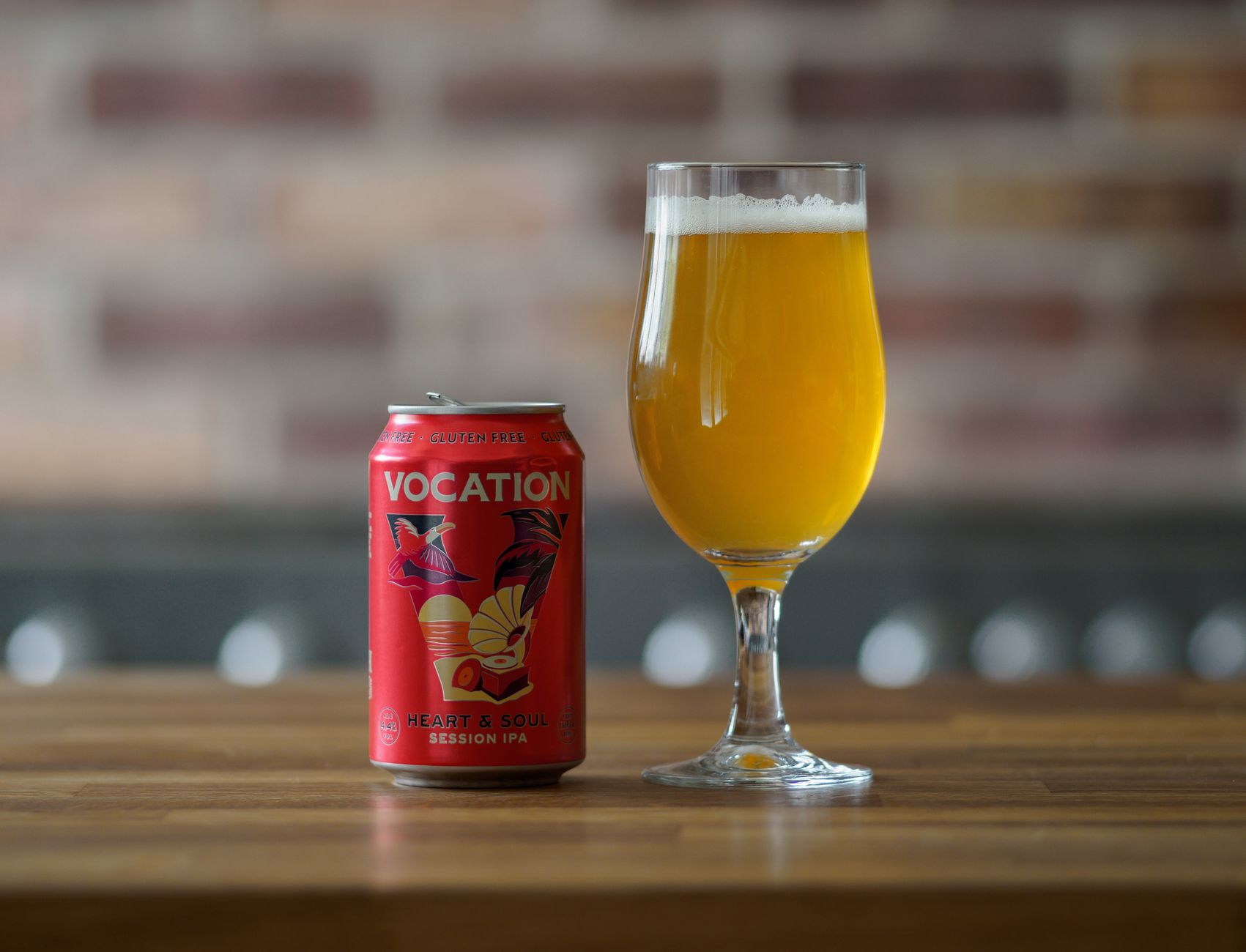
Understanding the relationship between gluten and alcohol is crucial for those with gluten sensitivities, celiac disease, or those simply choosing to avoid gluten. While many alcoholic beverages are made from gluten-free ingredients, some popular options contain gluten due to their base ingredients. This article will explore which types of alcohol contain gluten, how to choose gluten-free options, and what to look for when making purchases.
From beer to spirits, the gluten content can vary widely depending on the source of the ingredients and production process. This guide will help those who need to navigate the world of alcoholic beverages safely and enjoyably.
Is There Gluten in Alcohol?
The presence of gluten in alcohol depends on the source of the ingredients used during its production. Beverages made from wheat, barley, and rye contain gluten, while those made from gluten-free grains or fruits generally do not. It is essential to read labels and do your research when selecting alcoholic beverages.
Understanding Gluten
Gluten is a group of proteins found mainly in wheat and related grains such as barley and rye. It helps foods maintain their shape and adds a chewy texture. For people with celiac disease or gluten sensitivity, consuming gluten can lead to severe health issues, hence the importance of knowing what contains gluten.
Gluten-Free Grains
Several grains are naturally gluten-free, including:
- Rice
- Corn
- Quinoa
- Millet
- Amaranth
- Teff
Alcoholic Beverages and Gluten
Alcoholic beverages generally fall into two main categories: fermented and distilled. Understanding how each category is made can help clarify gluten content.
Beer
Beer is traditionally brewed from barley, which contains gluten. Therefore, many beers contain gluten. However, the market for gluten-free beers has grown significantly. Gluten-free beers are often made using sorghum, rice, or millet instead of traditional grains.
Types of Beer
- Regular Beer: Most beers, including lagers and ales, are made from barley and are not gluten-free.
- Gluten-Free Beer: Brewed specifically for gluten-sensitive individuals, using gluten-free grains.
- Craft Beers: Some craft breweries offer gluten-free options, often labeled as such.
Wines
Wines are made from fermented grapes or other fruits and do not contain gluten. However, be cautious about added flavorings and fining agents that some wineries might use, which could potentially contain gluten. Generally, pure wine, whether red, white, or sparkling, is safe for those avoiding gluten.
Spirits
Spirits are usually distilled, which can remove gluten. However, the base ingredient matters. Here’s a look at various spirits:
- Vodka: Typically made from wheat, though there are many brands that use corn, potatoes, or grapes which are gluten-free. Look for labels clearly stating ‘gluten-free.’
- Whiskey: Made from grains that often include barley or rye, thus containing gluten. However, some brands specifically produce gluten-free whiskeys using alternative grains.
- Rum: Usually made from sugarcane or molasses and is gluten-free.
- Tequila: Made from the agave plant and gluten-free.
- Gin: Generally contains gluten, as it is often distilled from grain, but some brands use gluten-free bases.
Choosing Gluten-Free Alcohol
Navigating the world of alcoholic beverages can be challenging, but here are some tips to help you make safe choices:
Read Labels Carefully
Many manufacturers now indicate if their product is gluten-free. Look for statements on the label such as ‘gluten-free’ or ‘made without gluten-containing grains.’
Research Brands
Finding safe options often requires research. Make a list of brands known for producing gluten-free alcohol or consult gluten-free resources online to find recommended products.
Ask Questions
If you’re unsure about a drink, don’t hesitate to ask the bartender or server. Many restaurants and bars are becoming more aware of gluten sensitivities and can guide you in the right direction.
Common Misconceptions
There are some myths about gluten in alcohol that are important to clarify:
Distillation Removes Gluten
While distillation often removes gluten, this is not universal. Some spirits might start with gluten-containing grains, so knowing the base of the spirit is vital.
Beer is the Only Alcohol with Gluten
While beer is the most well-known source of gluten in alcoholic beverages, whiskey, gin, and other spirits can also contain gluten depending on their ingredients.
Practical Tips for Enjoying Alcohol While Avoiding Gluten
For those who need to be cautious, here are some tips to maximize enjoyment while staying safe:
Experiment with Gluten-Free Options
Try out various gluten-free beers or alternative spirits to find flavors that you enjoy. Many gluten-free brands now offer diverse options that mimic traditional drinks.
DIY Cocktails
Preparing cocktails at home allows you to control all ingredients. Use gluten-free spirits and mixers to create your favorite drinks without worry.
Attend Gluten-Free Events
Look for tastings, festivals, or events specifically designed for gluten-free beverages. These can be great opportunities to discover new favorites.
How to Store and Serve Gluten-Free Alcohol
Proper storage of alcoholic beverages can help maintain their quality and safety. Here are some basic guidelines:
Storage
- Store unopened bottles in a cool, dark place away from heat sources and direct sunlight.
- Once opened, many spirits can be kept at room temperature, while wines should usually be refrigerated after opening.
- Gluten-free beers have a shorter shelf life; consume them within a reasonable time frame after purchasing.
Serving
When serving gluten-free alcohol at gatherings, ensure that utensils, glassware, and mixers are free from cross-contamination. It’s a good idea to keep a separate set of items specifically for gluten-free beverages.
Dine Out: How to Make Safe Choices
Going out to eat can be enjoyable while being gluten-conscious. Here are some strategies:
Choose the Right Establishment
Look for restaurants known for accommodating various dietary restrictions. Many places now offer gluten-free menus or options.
Communicate Your Needs
Do not hesitate to inform your server of your dietary restrictions. They can guide you toward safe options or inform you which dishes to avoid.
Stay Informed About Cocktails
Cocktails can often include additives or mixers that contain gluten. Be cautious with flavored drinks and inquire about all components before making a choice.
Conclusion
Understanding the relationship between gluten and alcohol is vital for anyone needing to avoid gluten. With careful reading, research, and communication, it’s possible to navigate different beverages and enjoy a variety of drinks safely. Whether you’re opting for a gluten-free beer, wine, or a carefully chosen spirit, there are plenty of enjoyable options to explore.
Ready to continue your culinary exploration? Check out guides on whether potatoes contain gluten and if coffee is gluten-free for more insights into your favorite foods and beverages.