
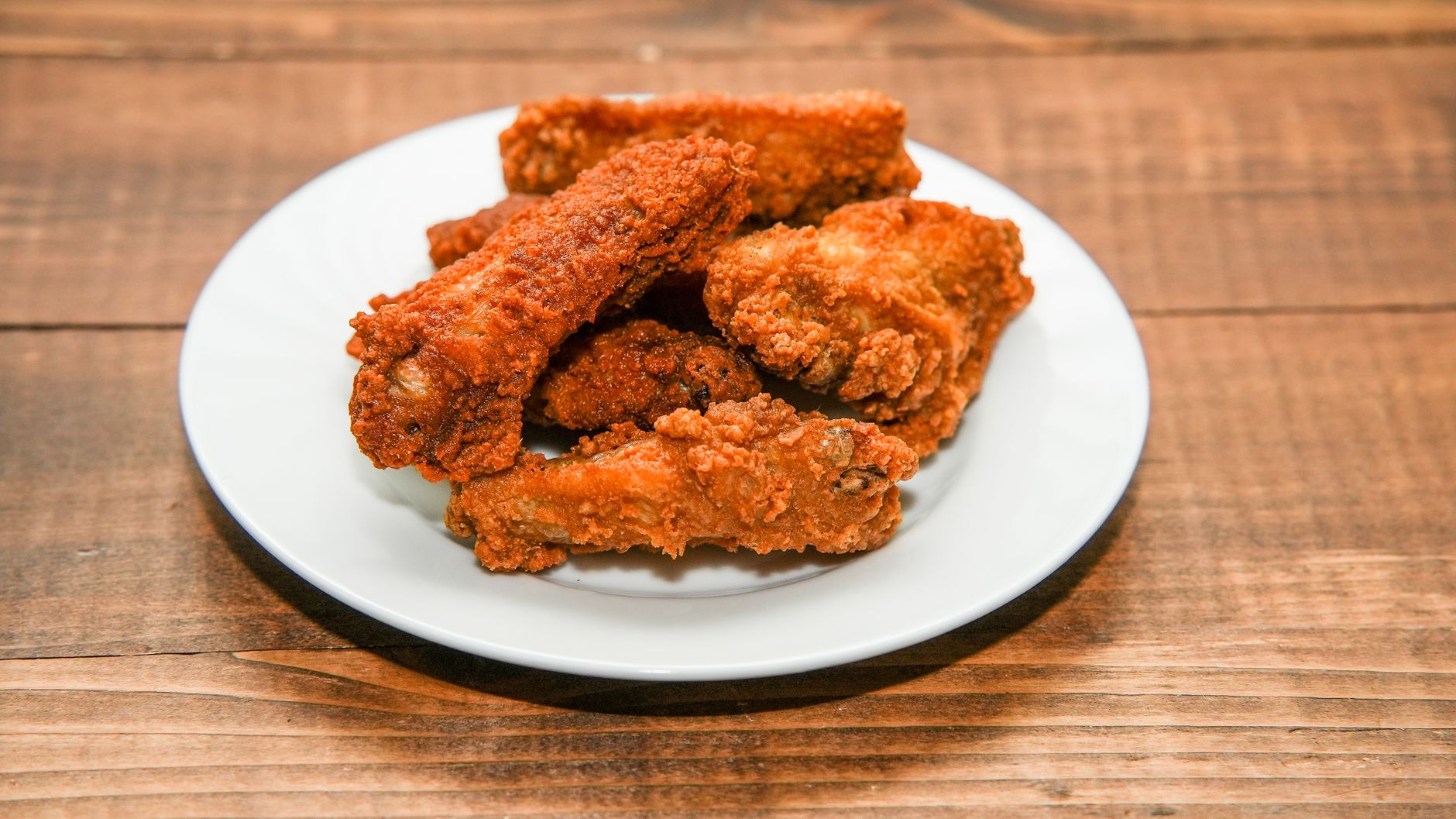
Buffalo chicken is a popular dish characterized by its distinctive flavor profile and versatile use in various recipes. Whether served in sandwiches, salads, or as wings, the spicy element is often what attracts many to this dish. Understanding the heat level of Buffalo chicken can help you decide how to prepare or order it.
This article delves into whether Buffalo chicken is spicy, the influence of different recipes, and serving ideas to accommodate varying preferences. We’ll also explore how the heat can be adjusted and what ingredients contribute to its signature flavor.
Is Buffalo Chicken Spicy?
Yes, Buffalo chicken is typically considered spicy due to its key ingredient: Buffalo sauce, which is made from hot sauce, often mixed with other ingredients like butter. However, the overall heat can vary based on the specific blend of sauces, the amount used, and personal taste preferences.
Understanding Buffalo Sauce
Buffalo sauce is the foundational element that defines Buffalo chicken. The base of this sauce usually consists of hot sauce made from cayenne peppers, vinegar, and salt. The heat level of the dish is largely determined by the type and amount of hot sauce used.
Types of Hot Sauce
- Frank’s RedHot: This is perhaps the most recognized brand associated with Buffalo sauce and has a moderate heat level.
- Crystal Hot Sauce: Known for its flavor rather than heat, this sauce offers a milder option.
- Cholula: A favored hot sauce that adds additional flavor to the heat, but it is still on the milder side.
- Sriracha: This sauce can add a bit of sweetness along with heat, but is not traditionally used in Buffalo chicken recipes.
Heat Level vs. Flavor
The experience of “spiciness” is not solely about heat. Flavor also plays a crucial role. Many people enjoy Buffalo chicken because of the balance between the spiciness of the sauce and the richness it gains from ingredients like butter or oil in the preparation. This balance creates a tangy, savory flavor that can overshadow the spice for some individuals, making it more palatable.
Factors Influencing the Spiciness of Buffalo Chicken
Several factors can influence the spiciness of Buffalo chicken, including:
- The Type of Hot Sauce Used: Different brands and varieties will have varying heat levels.
- Ingredient Ratios: The ratio of hot sauce to butter in the Buffalo sauce affects the overall spice level; more butter typically moderates the heat.
- Cooking Method: Cooking techniques like frying versus baking can change the texture and might also influence perceived spiciness.
- Serving Style: Serving Buffalo chicken with cooling sides, like blue cheese or ranch, can mitigate the perceived spiciness.
Adjusting the Spiciness of Buffalo Chicken
If you’re concerned about the spice level in Buffalo chicken, you can adjust the ingredients accordingly.
Making It Milder
- Use less hot sauce or opt for a milder brand.
- Add more butter or oil to balance the heat.
- Incorporate honey or sugar to add sweetness, which can counteract some of the heat.
- Serve with cooling dips and sides, like ranch dressing or creamy coleslaw.
Making It Spicier
- Increase the amount of hot sauce in the recipe.
- Add cayenne pepper or crushed red pepper flakes to boost the heat.
- Experiment with different hot sauces that have higher Scoville ratings.
Common Buffalo Chicken Variations
Buffalo chicken is a versatile dish, and many variations allow for creativity in both spice and presentation.
Buffalo Wings
This classic dish features chicken wings coated in Buffalo sauce, usually served with celery sticks and blue cheese dressing. The wings can be fried or baked, with hotter sauces often preferred for the authentic experience.
Buffalo Chicken Sandwiches
For those looking for a meal that combines heat and heartiness, a Buffalo chicken sandwich can be a delicious option. Usually made with a fried or grilled chicken breast tossed in Buffalo sauce and served on a bun, it’s often topped with ranch dressing and lettuce.
Buffalo Chicken Salad
This refreshing option mixes shredded Buffalo chicken with crisp greens, veggies, and a drizzle of ranch or blue cheese dressing. The spice can integrate well with the fresh ingredients, making it a balanced dish.
Buffalo Chicken Pizza
Using Buffalo chicken as a topping on pizza can yield a flavorful fusion, combining the spice with the savory notes of cheese and dough. Depending on your choice of sauce and cheese, the heat level can be customized.
Serving Suggestions for Buffalo Chicken
Buffalo chicken pairs well with a variety of sides and garnishes that can complement or mitigate the spiciness.
Cooling Dips
- Blue Cheese Dressing: A classic pairing that not only cools but also adds a rich flavor.
- Ranch Dressing: A popular alternative that many enjoy for its creamy texture and flavor.
Sides
- Celery Sticks: Crunchy and refreshing, these are a traditional accompaniment to Buffalo chicken wings.
- Carrot Sticks: Similar to celery, they offer a sweet contrast that can help balance the heat.
Drinks
- Iced Tea: A refreshing beverage that can help cleanse the palate.
- Lemonade: The acidity and sweetness can provide a nice balance to the spicy flavors.
- Beer: Many beer enthusiasts pair spicy wings with lagers or pale ales, which complement the heat.
Cooking Buffalo Chicken at Home
Making Buffalo chicken at home can be a rewarding way to tailor the spice level according to your preferences, and it allows for experimentation with different ingredients.
Essential Ingredients
- Chicken (wings, breasts, or tenders)
- Buffalo hot sauce
- Butter or oil
- Paprika or additional spices for extra kick
- Optional cooling agents (ranch or blue cheese)
Equipment Needed
- Baking sheet or frying pan (depending on cooking method)
- Mixing bowl for sauce preparation
- Meat thermometer for checking doneness
Step-by-Step Cooking Method
- Preheat your oven to 400°F (204°C) if baking the chicken.
- Prepare the chicken by patting it dry and seasoning with salt, pepper, and paprika.
- If frying, heat oil in a large pan over medium heat. For baking, arrange the chicken on a greased baking sheet.
- Cook the chicken until fully cooked, about 10-15 minutes for tenders and 20-30 minutes for wings, flipping halfway through.
- In a separate bowl, melt butter and mix in hot sauce to create the Buffalo sauce.
- Once the chicken is cooked, toss it in the Buffalo sauce until evenly coated.
- Serve immediately with your choice of sides and dips.
Common Mistakes to Avoid
- Not drying the chicken properly before cooking, which can lead to sogginess.
- Overcooking or undercooking the chicken. Always check with a meat thermometer; chicken should reach an internal temperature of 165°F (74°C).
- Using too much hot sauce without balancing it with fat, leading to overpowering heat.
Storage and Reheating Buffalo Chicken
Buffalo chicken can be stored effectively for later consumption, making it great for meal prep.
Storage Tips
- Cool the chicken to room temperature before storing.
- Place in an airtight container to maintain freshness.
- Buffalo chicken can be stored in the refrigerator for up to 3-4 days.
Reheating Suggestions
- Reheat in an oven at 350°F (177°C) until heated through, about 15-20 minutes.
- If using a microwave, cover the chicken and heat in 30-second intervals until warm.
Conclusion: Tailoring Buffalo Chicken to Your Taste
Buffalo chicken can indeed be spicy, but the specific heat level is easily adjustable. By altering ingredients or serving methods, it can cater to both mild and adventurous palates. Whether you’re hosting a game day gathering, preparing a family meal, or looking for a quick weeknight dish, Buffalo chicken offers an exciting flavor profile that can be customized to fit any taste.
If you’re interested in exploring more delicious recipes, consider trying out our hot honey recipe or learn about different spice levels with gochujang. These options can open a new world of flavors to accompany your Buffalo chicken experience.