
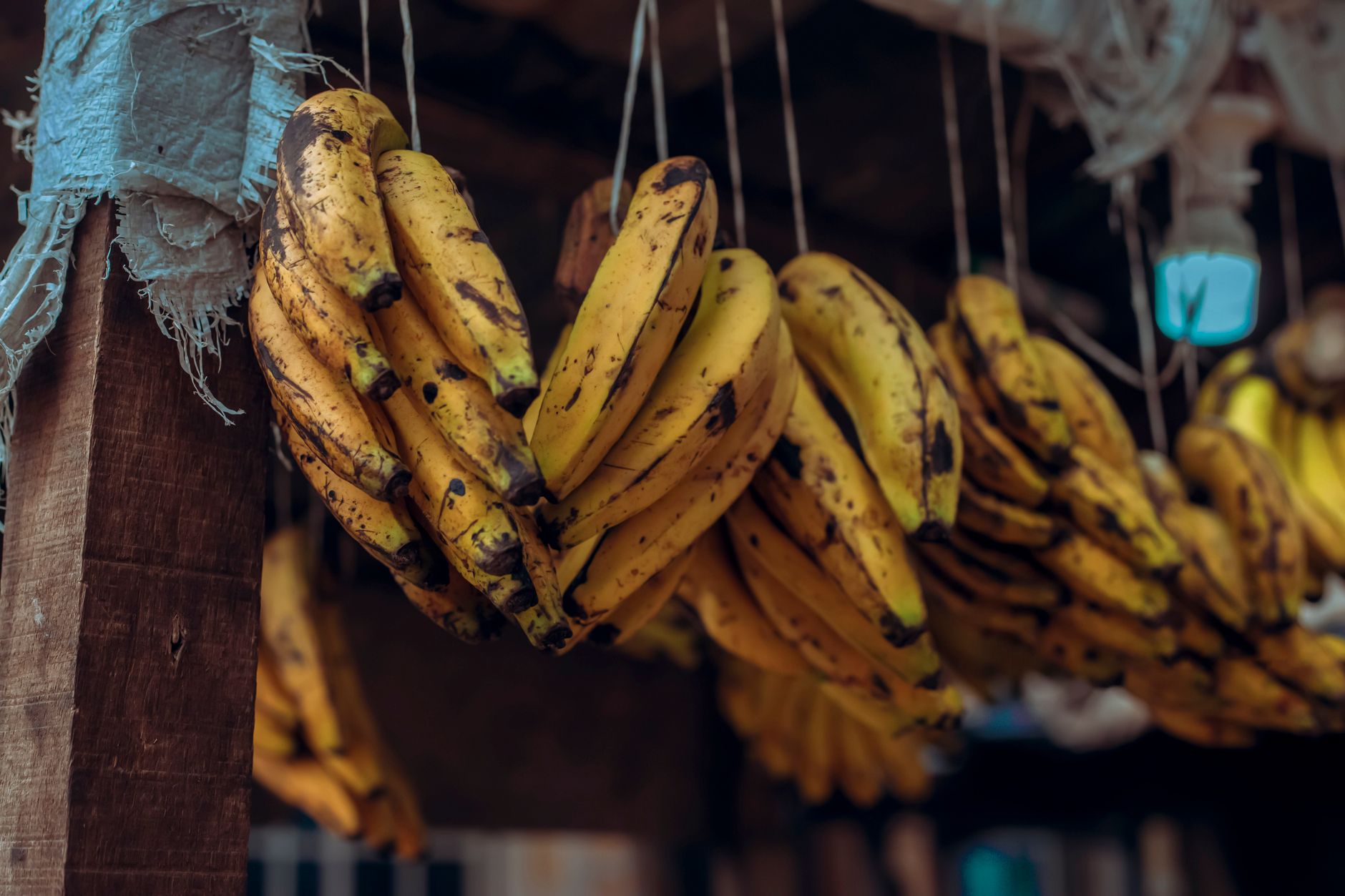
Bananas are well known for their sweet taste and portability as a snack option. However, they also pack an impressive nutritional punch, particularly when it comes to potassium content. This article delves into how much potassium is in a banana, explores its health benefits, and discusses practical serving sizes and alternatives for incorporating more potassium into your diet.
Potassium is an essential mineral and electrolyte that helps regulate fluid balance, muscle contractions, and nerve signals. It is vital for heart health and overall body function. Understanding the potassium content in bananas can help you make informed dietary choices, especially if you’re looking to boost your potassium intake.
How Much Potassium Is in a Banana?
A medium-sized banana typically contains about 422 mg of potassium, which is roughly 12% of the recommended daily intake for adults. This small, yellow fruit is among the top sources of potassium in fruits, making it a great choice for those aiming to meet their potassium needs.
Understanding Potassium: Why Is It Important?
Potassium plays several critical roles in the body. It helps maintain fluid balance, supports healthy muscle function, and aids in nerve signal transmission. Additionally, potassium helps to counteract the effects of sodium, which is essential for maintaining healthy blood pressure levels.
Getting enough potassium in your diet can offer a range of health benefits:
- Supports heart health by regulating blood pressure
- Aids in muscle contractions and helps prevent cramps
- Plays a role in maintaining healthy kidney function
- Helps support bone health by reducing calcium loss
Potassium Content by Serving Size
To help you understand how much potassium you are getting from bananas in various serving sizes, here is a breakdown:
| Serving Size | Potassium Content (mg) |
|---|---|
| 1 small banana (6-7 inches) | 362 |
| 1 medium banana (7-8 inches) | 422 |
| 1 large banana (8-9 inches) | 487 |
| 1 extra-large banana (9 inches or longer) | 540 |
Potassium Comparison: Bananas vs. Other Fruits
While bananas are rich in potassium, they are not the only fruit with a good amount. Here’s how bananas stack up against some other potassium-rich fruits:
- Banana: 422 mg (medium)
- Avocado: 485 mg (medium)
- Apricots (dried): 1162 mg (1 cup)
- Oranges: 237 mg (medium)
- Kiwi: 215 mg (medium)
Ways to Incorporate More Bananas into Your Diet
Now that you know about the potassium benefits of bananas, consider these practical ways to include them in your diet:
- Add sliced bananas to your morning oatmeal or yogurt.
- Blend bananas into smoothies for natural sweetness.
- Use mashed bananas as a substitute for sugar or fat in baking.
- Freeze bananas for a cool treat or to use in smoothies.
- Make banana pancakes or protein bars with ripe bananas.
Substitutes for Potassium in Your Diet
If you are looking for alternatives to meet your potassium needs, consider these potassium-rich foods:
- Sweet potatoes – about 540 mg per medium-sized potato
- Spinach – around 839 mg in one cup cooked
- Beans (like kidney beans) – approximately 607 mg per cup cooked
- Watermelon – about 320 mg per two cups
- Potatoes – approximately 925 mg in a medium baked potato
Practical Tips for Buying and Storing Bananas
Here are some practical tips for selecting and storing bananas:
- Choose bananas that are free from bruises and blemishes.
- Look for bananas that are slightly green at the ends, indicating freshness.
- To store ripe bananas, keep them at room temperature away from direct sunlight.
- If you want to slow the ripening process, separate them from other fruits.
- For overripe bananas, consider freezing them for future smoothie use or baking.
Cooking and Baking with Bananas
Bananas are not only a great snack but can also be incorporated into various recipes. Here are some ideas:
Banana Bread
Banana bread is a delicious way to use overripe bananas. The naturally sweet flavor of bananas makes for a moist and flavorful loaf. The best part? You can customize the recipe by adding nuts or chocolate chips.
Banana Smoothies
A banana smoothie is a quick and easy breakfast or snack option. Blend ripe bananas with yogurt, milk, or a milk substitute, and your favorite fruits for a nutritious drink. You can add spinach or protein powder for an extra boost.
Banana Oatmeal
Boost your morning oatmeal by adding sliced bananas. Cook your oatmeal as usual and mix in banana slices, cinnamon, and a drizzle of honey for added flavor.
Common Mistakes When Eating Bananas
While bananas are nutritious, there are some common pitfalls to avoid:
- Assuming that all ripe bananas have the same nutritional value—darker bananas may have more natural sugars.
- Overindulging—balancing banana intake with other potassium sources is crucial.
- Not utilizing overripe bananas—use them in baking or smoothies rather than discarding.
Conclusion
Bananas are a convenient and delicious source of potassium, making them a go-to snack for health-conscious individuals. With approximately 422 mg of potassium in a medium banana, they contribute significantly to your daily needs. Explore the various ways to enjoy bananas, whether through baking, smoothies, or simply as a snack, and incorporate other potassium-rich foods into your diet as well.
For additional insights, consider checking out how much fiber is in a banana, or learn more about potassium content in various foods. Seek out creative ways to boost your potassium intake to support overall health and wellness.