
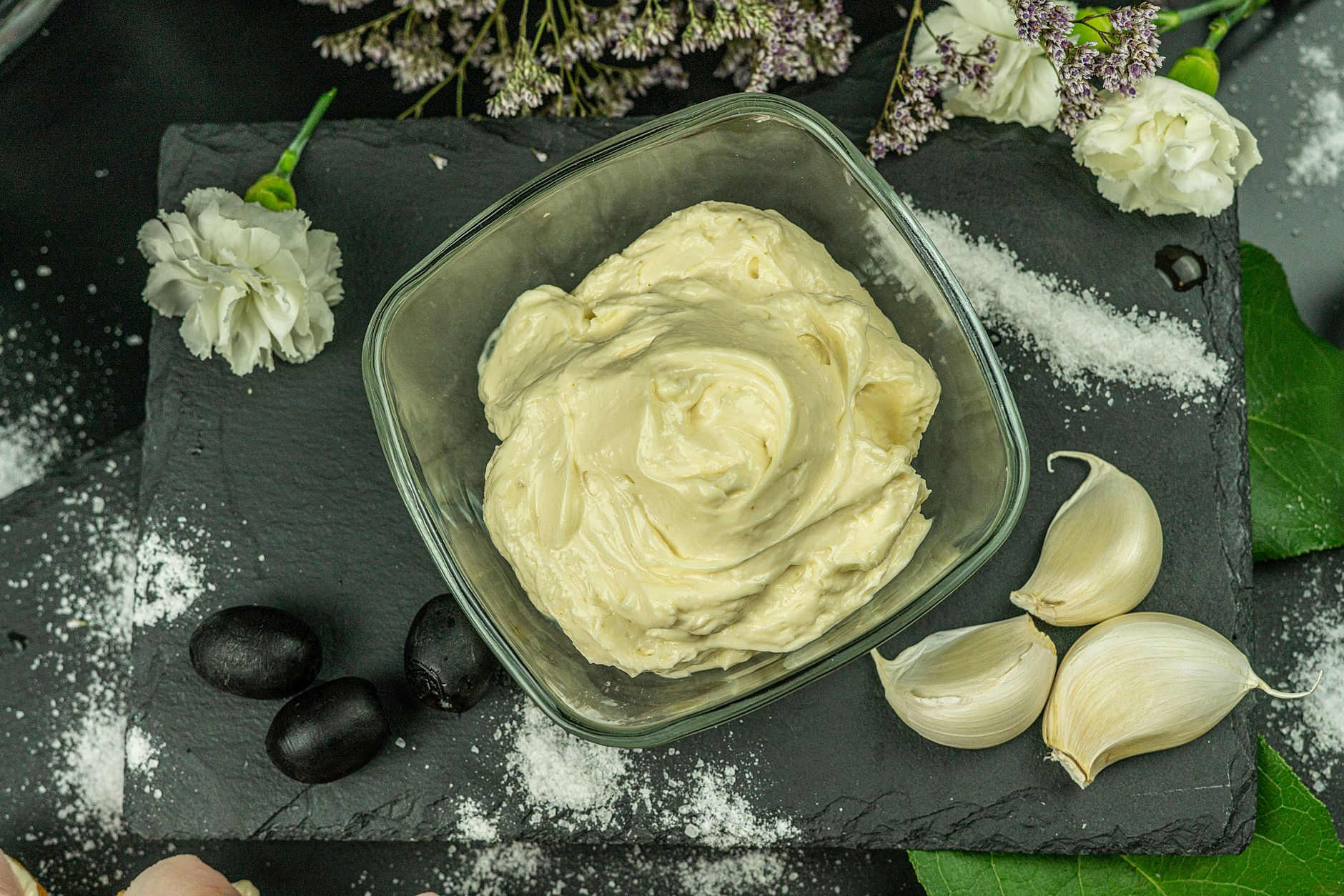
Mayonnaise sauce is a creamy condiment made by emulsifying oil, egg yolk, and an acid, typically vinegar or lemon juice. This versatile base can enhance a multitude of dishes, providing rich flavor and smooth texture.
Commonly used in dressings and dips, mayonnaise sauce can be tailored with spices and other ingredients to create a variety of flavors and uses, making it a staple in many kitchens.
What Is Mayonnaise Sauce?
Mayonnaise sauce is a rich, creamy condiment primarily made from egg yolks, oil, and an acid. The key characteristic of mayonnaise is its emulsion, which allows the oil and water-based ingredients to blend, resulting in a thick and smooth texture. This sauce may serve as a delicious base for various dressings or dips, and it can also be enhanced with additional ingredients for distinct flavor variations.
The Taste and Texture of Mayonnaise Sauce
The flavor of mayonnaise sauce is subtly tangy, creamy, and slightly rich. The dominant flavor comes from the oil used, while the acid—typically vinegar or lemon juice— provides a necessary brightness that balances the richness of the eggs. The texture is smooth and creamy, offering a luxurious mouthfeel that elevates each bite.
As a base for sauces and dressings, mayonnaise can be mixed with various herbs, spices, or condiments to create flavors ranging from garlic to spicy chipotle. It can also serve as a binding agent in various recipes, such as salads or sandwiches, lending both moisture and flavor.
Key Ingredients in Mayonnaise Sauce
While traditional mayonnaise contains just a few core ingredients, the flexibility of this sauce allows you to customize it based on personal taste or dietary preferences. Here are the key components:
- Egg Yolk: The primary emulsifier, providing richness and stability to the sauce.
- Oil: Commonly used oils include vegetable, canola, and olive oil. The choice of oil can greatly affect the flavor and texture of the final sauce.
- Acid: Lemon juice or vinegar adds acidity, balancing the richness of the yolk and oil. Common vinegar choices include white, apple cider, and wine vinegar.
- Seasonings: Salt and pepper are essential, while additional flavorings, such as mustard, garlic, or herbs, can be incorporated for complexity.
How to Make Homemade Mayonnaise Sauce
Making mayonnaise sauce at home is simple and requires only a few minutes. Follow these steps for a classic mayonnaise base.
Yield
This recipe yields about 1 cup of mayonnaise sauce.
Preparation Time
- Preparation Time: 5 minutes
- Total Time: 5 minutes
Ingredients
- 2 large egg yolks at room temperature
- 1 tablespoon Dijon mustard
- 1 tablespoon white wine vinegar or lemon juice
- 1 cup neutral-flavored oil (such as canola or vegetable oil)
- Salt and pepper to taste
Essential Equipment
- Mixing bowl
- Whisk or electric mixer
- Measuring spoons
Instructions
- In a mixing bowl, whisk together the egg yolks, Dijon mustard, and vinegar or lemon juice until well combined.
- While continuously whisking, gradually add the oil in a thin stream. The mixture will start to thicken as you add the oil.
- Continue whisking until all the oil is incorporated and you achieve a thick, creamy consistency.
- Season with salt and pepper to taste. Adjust acidity by adding more vinegar or lemon juice if desired.
Common Mistakes When Making Mayonnaise Sauce
While the process is straightforward, there are common issues that may arise when making mayonnaise sauce at home. Here’s how to troubleshoot them:
- Separation: If your mayonnaise separates, it indicates that the oil was added too quickly. Slow down and slowly drizzle in the oil while whisking.
- Too Thick: If your mayonnaise is too thick, you can thin it with a few drops of warm water or additional acid.
- Too Thin: If the mayonnaise is too runny, try adding another egg yolk. Whisk in the yolk until the mixture thickens.
Variations and Flavor Enhancements
One of the joys of mayonnaise sauce is its adaptability. Here are some popular variations that provide a twist on the classic flavor:
- Garlic Mayo: Add minced garlic or garlic powder to your mayonnaise for a rich, savory flavor.
- Chipotle Mayo: Incorporate chipotle peppers in adobo sauce for a smoky kick.
- Herb Mayo: Mix in fresh or dried herbs such as dill, basil, or parsley to add freshness.
- Wasabi Mayo: Combine mayonnaise with wasabi for a zesty condiment ideal for sushi or sandwiches.
Kitchen Uses for Mayonnaise Sauce
Mayonnaise sauce’s versatility extends far beyond just a sandwich spread. Here are several kitchen uses that showcase its adaptability:
- Salad Dressings: Use mayonnaise as a base for creamy salad dressings, such as ranch or 1000 Island.
- Sandwich Spread: A classic use, mayonnaise adds moisture and richness to any sandwich or wrap.
- Binding Agent: Mayonnaise can bind ingredients in dishes like potato salad or coleslaw.
- Dips: Blend mayonnaise with herbs, spices, or other ingredients for quick and easy dips.
- Marinades: Mayonnaise can help tenderize meats while adding flavor; it’s also great for grilled chicken or fish.
Storing Mayonnaise Sauce
Homemade mayonnaise sauce can be stored in the refrigerator for about one week. Always keep it in an airtight container to maintain freshness. Pasteurized egg mayonnaise lasts longer than raw egg mayonnaise, so consider using pasteurized eggs if you plan to store it.
Common Mayonnaise Sauce Substitutes
If you find yourself in need of mayonnaise sauce but lack the ingredients, there are several alternatives you can use:
- Greek Yogurt: A tangy and creamy substitute, Greek yogurt works well in salads and dips.
- Sour Cream: Provides a similar texture and flavor profile, great for dressings and dips;
- Avocado: Mashed avocado can offer a creamy texture and adds healthy fats.
- Cream Cheese: Blend cream cheese with a little vinegar or lemon juice for a thick and tangy alternative.
Conclusion
Mayonnaise sauce is a delightful and adaptable condiment that can enhance numerous dishes with its rich flavor and creamy texture. Whether you’re making it from scratch or exploring variations, understanding its basics will help you unlock its potential in the kitchen.
Next time you prepare a meal, consider how mayonnaise sauce can elevate your dish! Explore delicious variations or use it as a base for your favorite dressings. For more ideas, check out our garlic mayo recipe and learn how to make mayo chicken for a delightful twist on traditional cooking.