
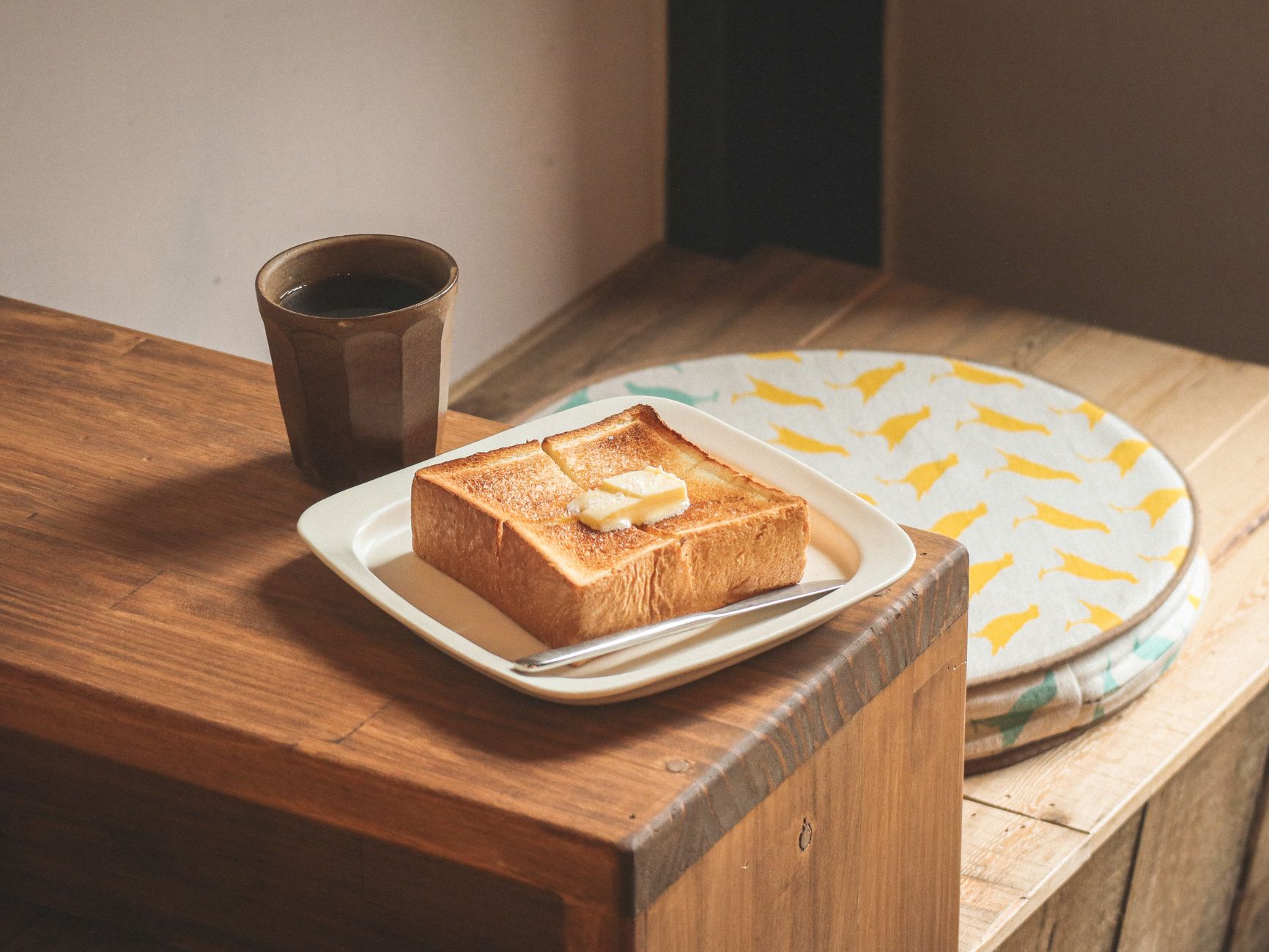
Butter is a staple in many kitchens around the world, celebrated for its richness and versatility. However, the classification of butter as a condiment or an ingredient can spark debate. This article will delve into whether butter fits the definition of a condiment, explore its various culinary uses, and provide some serving ideas that showcase its exceptional qualities.
Understanding the role butter plays in cooking and serving will help you appreciate this ingredient beyond its traditional use. Let’s explore whether butter is indeed a condiment and how you can incorporate it into your meals.
Is Butter a Condiment?
Butter is typically considered an ingredient rather than a condiment. While it can be used in similar contexts to enhance flavor, condiments are usually defined as sauces or seasonings added to food to enhance or complement its taste. Butter is a fat that lends texture, richness, and moisture to dishes, rather than just a flavor enhancer. However, in some culinary contexts, particularly in serving, butter does take on the role of a condiment.
The Role of Butter in Cooking
Butter serves multiple purposes in cooking and baking. Here are the primary roles it plays:
- Flavor Enhancer: Butter adds a rich, creamy flavor to various dishes, from savory to sweet.
- Moisture Provider: In baked goods, it helps to create tenderness and moisture.
- Texture Improver: It aids in achieving a desirable texture, such as flakiness in pastries.
- Cooking Medium: Butter can be used as a cooking fat for sautéing, frying, and browning.
- Ingredient in Sauces: It’s essential for making various sauces, including classic French sauces.
Is Butter Used as a Condiment?
While butter is primarily viewed as an ingredient, it is often used as a condiment in specific contexts. Here are a few examples:
Spread on Bread or Toast
Applying butter directly to bread, toast, or biscuits is one of its most common uses. It enhances the flavor and texture, making the bread richer and more enjoyable, akin to how one might use jam, cream cheese, or other spreads.
Finishing Touch for Vegetables or Dishes
Melting butter over cooked vegetables, pasta, or meats can elevate a dish to new heights. In this instance, it acts as a condiment, serving to improve flavor and moisture. For example, a pat of butter over steamed green beans enhances their flavor and richness, making them an irresistible side.
Compound Butters
Compound butters, which are simply butters blended with additional flavors (like herbs, spices, or citrus zest), are excellent condiments. They can be used to top steaks, seafood, or vegetables and can bring a depth of flavor to your dish, embracing the role of a condiment fully.
Popular Types of Butter as Condiments
Compound butters and flavored butter are popular choices for enhancing meals. Here are a few varieties worth exploring:
Garlic Butter
This combination of butter, minced garlic, and herbs creates a delicious condiment for bread, steak, or vegetables. Simply mix softened butter with minced garlic, fresh parsley, and a touch of salt for an aromatic spread.
Herb Butter
Packed with flavor, herb butter is made by mixing softened butter with fresh or dried herbs such as basil, chives, or rosemary. This is lovely on grilled meats or vegetables and adds a flourish to any dish.
Cinnamon Sugar Butter
This sweet variation combines butter, cinnamon, and sugar for a delightful topping on pancakes, waffles, toast, or muffins. It’s a simple yet effective way to elevate breakfast or dessert.
Cooking Techniques That Feature Butter
Butter plays a significant role in various cooking techniques, each of which enhances the flavor and texture of foods. Here are some essential cooking methods where butter shines:
Sauteing
Sautéing with butter not only adds flavor but can also provide a nice golden color to the food. Here’s a simple guide:
- Choose a suitable skillet or frying pan and heat it over medium heat.
- Add enough butter to coat the surface lightly.
- Allow the butter to melt and bubble, indicating that it’s ready for your ingredients.
- Add your choice of vegetables, proteins, or grains, and sauté until cooked through.
Making Sauces
Butter serves as a key ingredient in many sauces. Here’s how you can create a simple beurre blanc:
- Combine white wine and vinegar in a saucepan; simmer until reduced by half.
- Whisk in cold, cubed butter gradually until the sauce is emulsified and creamy.
- Season with salt and pepper to taste, and serve with fish or vegetables.
Baking
In baking, butter helps achieve desired textures in cookies, cakes, and pastries. Here are some tips for using butter effectively:
- For flaky pastries, use cold butter cut into small pieces when mixing with flour.
- When making cookies, cream softened butter with sugar to create a light, airy texture.
Serving Ideas with Butter
Discover how to provide a delightful culinary experience using butter as a condiment. Here are some serving ideas:
Finish Up Pasta Dishes
Add a pat of butter to freshly cooked pasta along with cheese and herbs. The butter will melt, creating a rich, creamy sauce that clings to the pasta.
Butter on Steaks
Top grilled or pan-seared steaks with a dollop of herb or garlic butter just before serving. This enriches the meat, adding moisture and flavor.
Flavorful Bread Rolls
Serve freshly baked bread rolls with whipped butter or flavored butter on the side. Incorporate ingredients like honey or herbs for a gourmet twist.
Common Mistakes When Using Butter
Here are some pitfalls to avoid when using butter in your cooking:
- Using Cold Butter: Cold butter does not mix well in baked goods. Ensure it is softened or melted as needed.
- Overheating Butter: When sautéing, avoid overheating butter, which can lead to burning. Watch for the butter to become bubbly without browning.
- Forgetting Other Ingredients: When making compound butter, ensure the other ingredients are well-balanced and flavorful.
Storage and Shelf Life of Butter
Proper storage is crucial for maintaining the quality of butter:
- Refrigeration: Store butter in the refrigerator for up to 1 month. Keep it wrapped tightly to prevent odors from affecting its flavor.
- Freezing: For longer storage, butter can be frozen for up to 6 months. Wrap it in plastic wrap, then place it in an airtight container.
Substitutes for Butter
If you find yourself in need of an alternative to butter for health or dietary reasons, here are several substitutes, along with their impact on flavor and texture:
- Margarine: A common alternative, margarine can mimic butter’s flavor but may lack depth.
- Olive Oil: Excellent for cooking and sautéing, olive oil introduces a robust flavor to dishes.
- Coconut Oil: When solid, it works well in baking, imparting a light coconut flavor.
- Applesauce: A great substitute in baking for reducing fat, though it may alter the texture slightly.
Conclusion
Butter has a multifaceted role in the kitchen, far surpassing the traditional definition of a condiment. Whether used as a sauce, spread, or in cooking techniques, its contribution to flavor and texture is undeniable. While butter may primarily serve as an ingredient, its versatility allows it to act as a condiment in many culinary situations. So don’t shy away from embracing butter’s rich reality in your everyday meals.
For more exciting ways to use butter, take a look at our clarified butter recipe or try something bold with cowboy butter. Happy cooking!