
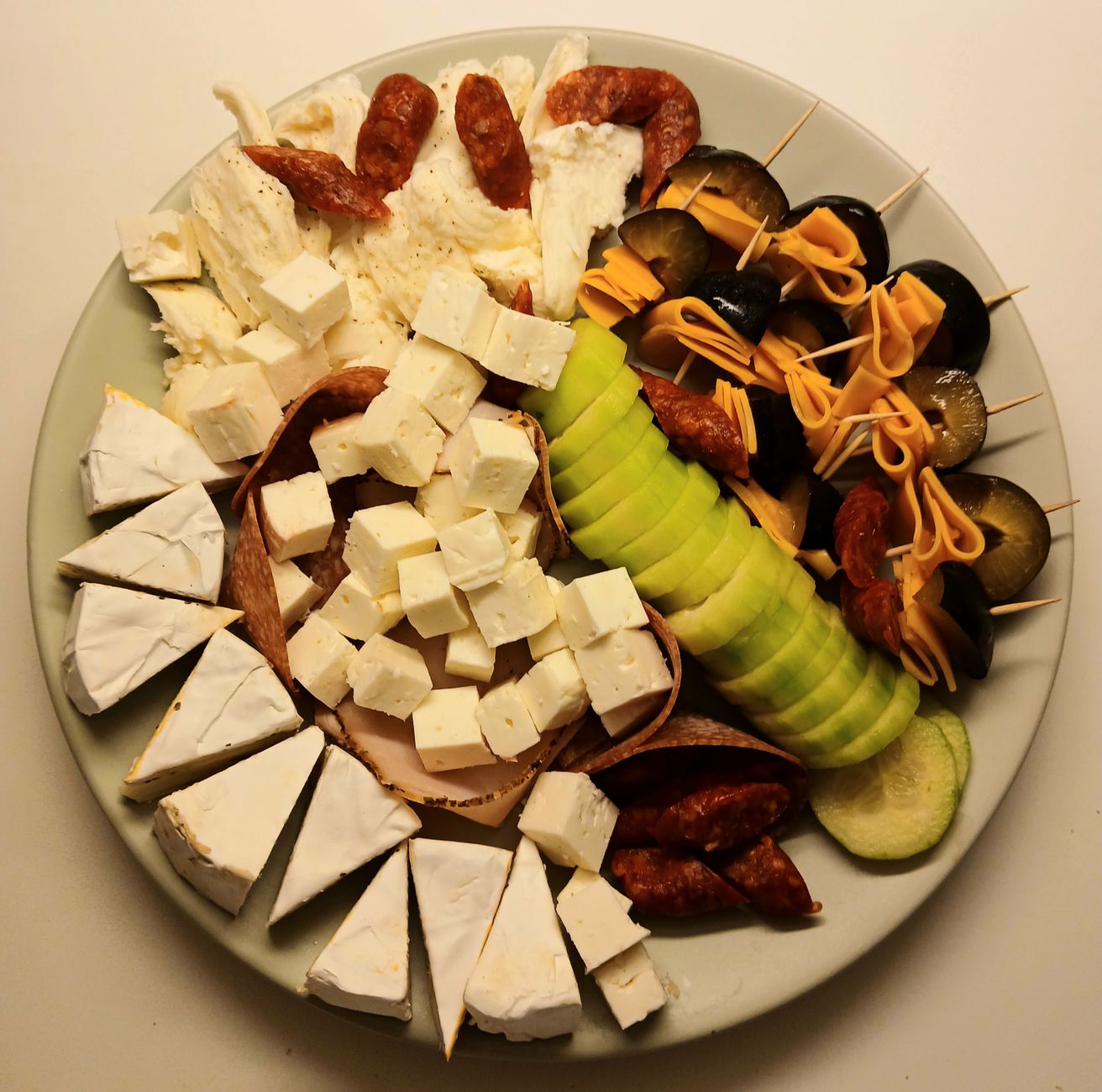
The carnivore diet, focusing primarily on animal products, has gained much popularity among those seeking to simplify their eating patterns and maximize protein intake. A common question that arises is whether cheese, a beloved dairy product, fits into this regimen. Understanding the nuances of the carnivore diet and the role of cheese is essential for anyone considering this dietary approach.
This article delves into the specifics of consuming cheese on the carnivore diet, exploring its nutritional aspects, the types of cheese suitable for the diet, proper portion sizes, and tips for incorporating cheese effectively while maintaining the diet’s principles.
Can I Eat Cheese on Carnivore Diet?
Yes, cheese can be included in the carnivore diet, but it should be consumed in moderation. Many carnivore dieters choose cheese for its high protein and fat content, while others may avoid it due to lactose or other dietary considerations.
Understanding the Carnivore Diet
The carnivore diet consists exclusively of animal products, such as meat, fish, eggs, and certain dairy products like cheese and butter. It eliminates all plant-based foods, including vegetables, fruits, grains, and legumes. The primary aim of this diet is to reduce carbohydrate intake drastically while increasing protein and fat consumption.
Proponents of the carnivore diet advocate for its potential benefits, including improved mental clarity, weight loss, and reduced inflammation. However, it’s important to recognize that the diet may not be suitable for everyone and should be approached with caution. Consulting with a healthcare professional before starting any restrictive diet is advisable.
Nutritional Profile of Cheese
Cheese offers a variety of nutrients that can be beneficial when included in a carnivore diet. Here’s a breakdown of the nutritional components typically found in cheese:
- Protein: Cheese is a rich source of protein, essential for building and repairing tissues.
- Fat: Most cheeses are high in fat, providing a source of energy and helping to meet the fat requirements of the diet.
- Calcium: Cheese is an excellent source of calcium, necessary for maintaining bone health.
- Phosphorus: Important for energy production and bone health, phosphorus is another mineral found in cheese.
- Vitamin B12: Cheese contains vitamin B12, crucial for nerve function and the production of DNA.
Types of Cheese Suitable for the Carnivore Diet
When considering cheese on the carnivore diet, it’s essential to choose varieties that align with the principles of this restrictive eating style.
Best Options
- Hard Cheeses: Parmesan, Gouda, and aged Cheddar are excellent options as they are lower in lactose and higher in protein and fat content.
- Soft Cheeses: Cream cheese and Brie can be included, but moderation is key due to their higher lactose content.
- Raw Cheeses: These cheeses are generally more nutrient-dense and easier to digest. Look for varieties made from grass-fed animals.
- Blue Cheese: Rich in flavor and nutrients, blue cheese can be a suitable choice for those who enjoy its distinct taste.
Cheeses to Avoid
- Processed Cheeses: Avoid cheeses that contain additives, preservatives, or fillers, which may not align with the carnivore diet.
- Low-fat Cheeses: These cheeses often contain added starches or other fillers that can detract from the diet’s principles.
- Cottage Cheese: While nutritious, it contains a higher lactose content that may not sit well with everyone on the carnivore diet.
Portion Control: How Much Cheese Can You Eat?
When incorporating cheese into the carnivore diet, portion control is essential. Although cheese can contribute to daily caloric intake, it’s crucial to balance it with other animal products to ensure a diverse intake of nutrients.
Recommended Serving Sizes
- Hard Cheeses: Aim for 1-2 ounces (30-60 grams) per serving, which provides a concentrated source of protein and fat.
- Soft Cheeses: Stick to about 1 ounce (30 grams) per serving to manage lactose intake effectively.
- Cheese as a Snack: Pair small amounts of cheese with meats or other allowed foods to create satisfying snacks.
Benefits of Including Cheese on the Carnivore Diet
Incorporating cheese can provide a range of benefits for those on the carnivore diet. These benefits include:
- Satiation: The high-fat content in cheese can enhance feelings of fullness, reducing the desire for snacking on non-carnivore foods.
- Flavor Variety: Different types of cheese can add flavor and variety to an otherwise limited diet, making meals more enjoyable.
- Calcium Source: Helps meet daily calcium needs, an important nutrient often missed in more restrictive diets.
- Convenience: Cheese is easy to pack and consume, making it a convenient option for on-the-go eating.
Potential Drawbacks of Cheese on the Carnivore Diet
- Lactose Sensitivity: Individuals who are lactose intolerant may experience digestive discomfort when consuming cheese, particularly soft varieties.
- Caloric Density: Cheese can be calorie-dense, so care must be taken to avoid excessive caloric intake that could hinder dietary goals.
- Source Variation: Not all cheeses are created equal; quality and source can vary significantly. Focus on high-quality, minimally processed options.
Cooking with Cheese on the Carnivore Diet
Cheese can be a versatile ingredient in various meals, adding flavor and richness. Here are some practical ways to utilize cheese on the carnivore diet:
Cheese and Meat Combos
- Cheese-Stuffed Meats: Stuff chicken breasts or pork chops with cheese before cooking for a delicious and hearty meal.
- Cheese Topping: Add shredded cheese to steaks or burgers while cooking to create a melty topping.
- Cheese-Based Sauces: Create creamy sauces using cheese as a base, mixing with butter or heavy cream for added richness.
Carnivore Cheese Recipes
Here are two simple recipes that incorporate cheese while maintaining the carnivore diet principles:
Cheesy Carnivore Meatballs
Yield: 4 servings
Preparation time: 15 minutes
Cooking time: 20 minutes
Total time: 35 minutes
- Ingredients:
- 1 lb (450 g) ground beef
- 1/2 cup (50 g) shredded cheese (e.g., Cheddar)
- 1 egg
- 1 tsp salt
- 1/2 tsp pepper
Essential Equipment: Mixing bowl, baking sheet, oven
- Preheat your oven to 400°F (200°C).
- In a mixing bowl, combine ground beef, shredded cheese, egg, salt, and pepper. Mix until thoroughly combined.
- Form the mixture into meatballs, approximately 1 inch in size.
- Place meatballs on a baking sheet lined with parchment paper.
- Bake in the preheated oven for 20 minutes or until internal temperature reaches 160°F (71°C).
- Serve hot; enjoy the cheesy goodness!
Cheese and Bacon Egg Bake
Yield: 4 servings
Preparation time: 10 minutes
Cooking time: 30 minutes
Total time: 40 minutes
- Ingredients:
- 6 large eggs
- 1 cup (100 g) shredded cheese (e.g., Mozzarella)
- 4 strips of bacon, cooked and crumbled
- Salt to taste
- Pepper to taste
Essential Equipment: Mixing bowl, oven-safe dish, whisk
- Preheat your oven to 375°F (190°C).
- In a mixing bowl, whisk together the eggs, salt, pepper, and shredded cheese.
- In an oven-safe dish, spread the crumbled bacon evenly.
- Pour the egg and cheese mixture over the bacon.
- Bake in the preheated oven for 30 minutes or until the eggs are set and the top is golden.
- Let cool slightly before serving.
Storing Cheese on a Carnivore Diet
Proper storage enhances the longevity of cheese and maintains its flavor profile. Here are some tips for storing cheese:
- Refrigeration: Store cheese in the refrigerator to keep it fresh. Keep it in its original packaging or wrap it in wax paper before placing it in an airtight container.
- Freezing: Hard cheeses can be frozen, but this may alter the texture slightly. Soft cheeses are not recommended for freezing.
- Expiration Dates: Always check expiration dates and consume cheese before it goes bad to avoid spoilage.
Common Mistakes When Incorporating Cheese
As with any diet, there are common pitfalls to be aware of when adding cheese to a carnivore regimen:
- Overeating: It’s easy to overindulge in cheese due to its palatability. Keep portions reasonable.
- Ignoring Quality: Not all cheese is equal; prioritize high-quality, full-fat options without additives.
- Neglecting Variety: Variety helps prevent nutritional deficiencies; don’t rely solely on cheese for dairy intake.
Final Thoughts on Cheese in the Carnivore Diet
Incorporating cheese into the carnivore diet can be beneficial, contributing essential nutrients and enhancing meal flavors. However, moderation is key, as some individuals may be sensitive to lactose or have differing dietary needs.
Always consider personal goals, preferences, and any sensitivities when deciding how to incorporate cheese into a carnivore diet. Cheese can be a fulfilling part of this unique eating regimen if approached thoughtfully.
For delicious inspirations, consider trying a whipped ricotta recipe or exploring a cheesy biscuit recipe to accompany your carnivore meals. Cheese offers a unique twist, contributing both taste and texture that pairs beautifully with the richness of meat-centric dishes.