
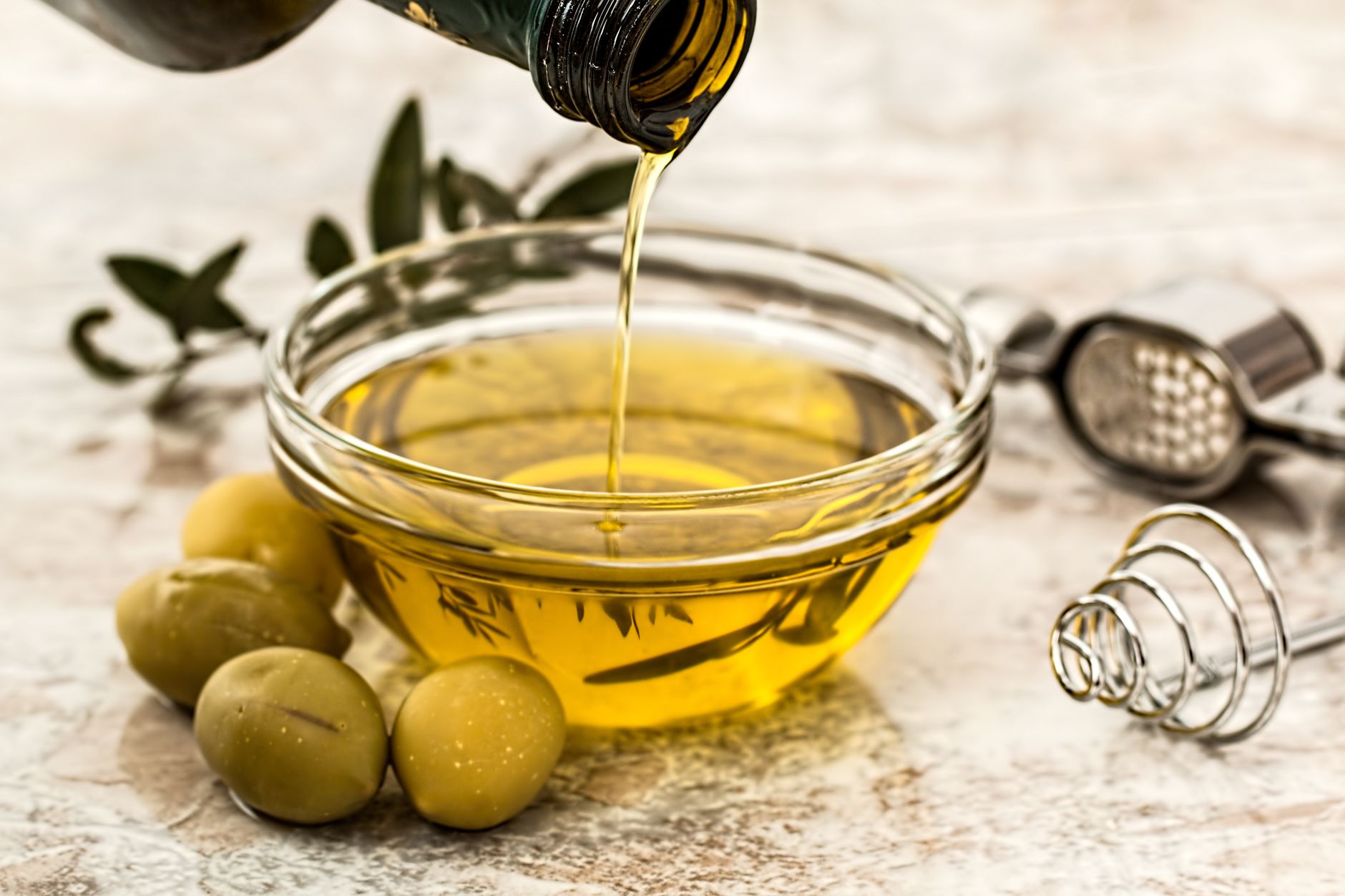
Extra virgin olive oil (EVOO) is often hailed as one of the healthiest oils due to its robust flavor and numerous culinary uses. But with so many brands and varieties on the market, choosing the best extra virgin olive oil can be overwhelming. This guide aims to clarify what to look for when selecting the ideal EVOO for your kitchen.
Understanding quality, flavor profiles, and specific uses can help you make a better choice. This article will walk through the essential factors to consider, tips for buying, and popular brands widely regarded for their superior products.
What Is the Best Extra Virgin Olive Oil?
The best extra virgin olive oil is one that meets high standards of purity and flavor, typically defined by its low acidity (less than 0.8%) and rich, complex taste. Look for oils that are sourced from reputable producers, often labeled with harvest dates, and have undergone rigorous taste testing.
High-quality EVOO should possess a balanced flavor profile, featuring grassy, fruity, or peppery notes, and a smooth texture. When ready to purchase, consider factors such as freshness, origin, and packaging, as these can significantly impact the oil’s taste and shelf life.
Understanding Extra Virgin Olive Oil Quality
Quality is the most important aspect when selecting extra virgin olive oil. Several factors denote quality, including the harvesting and production processes. Here are key qualities to look for:
- Acidity: True EVOO has low acidity (0.8% or lower), which indicates a lower level of free fatty acids, signaling a fresher oil.
- Flavor: A high-quality EVOO should have robust flavors such as grassy, nutty, or fruity. It may also carry a slight bitterness, which indicates more polyphenols – beneficial antioxidants.
- Freshness: Look for the harvest date on the label rather than the expiration date. The oil is best used within two years of harvesting.
- Origin: Single-origin oils often provide better quality. Look for oils that specify a country or region, as blends may contain lower-quality oils.
How to Choose the Right Extra Virgin Olive Oil
When searching for the best extra virgin olive oil, consider the following tips:
1. Read Labels Carefully
Look for terms like “first cold-pressed,” which indicates the oil was extracted without heat, preserving flavors and nutrients. Also, check for certifications such as the Protected Designation of Origin (PDO) or Protected Geographical Indication (PGI) for authenticity.
2. Packaging Matters
Quality olive oil should come in dark glass bottles or tins to protect it from light, which can degrade the oil. Avoid clear plastic bottles, as they may not preserve the oil’s quality.
3. Consider Regional Varietals
Diverse regions produce unique olive oils. For example, oils from Italy tend to be more robust and peppery, while Greek oils can be fruity with a herbal edge. Experiment to find what suits your palate.
4. Check for Taste Testing
Many high-end retailers or specialty food shops allow you to taste before you buy. If possible, try small samples to find an oil that resonates with your taste preferences.
5. Do not Rely on Price Alone
While expensive oils may offer better quality, many mid-range options can also be excellent. Be willing to explore various price points for the best value.
Popular Brands of Extra Virgin Olive Oil
Several brands are recognized for their quality and flavor. Here are some top contenders in the extra virgin olive oil market:
- California Olive Ranch: Known for its high-quality California-produced olive oils, this brand offers a range of flavors while ensuring freshness.
- Kirkland Signature: Costco’s brand provides excellent quality at a competitive price, often made from Mediterranean olives.
- Lucini: This brand focuses on high-quality Tuscan oils and is known for its flavorful variety.
- Colavita: An Italian brand offering a balance of quality and affordability, Colavita is widely available in many grocery stores.
- Oliviers & Co: This premium brand specializes in single-origin EVOOs, each showcasing its unique region and flavor.
- Gaea: Recognized for its organic offerings and commitment to ethical sourcing, Gaea oils are flavorful and versatile.
How to Store Extra Virgin Olive Oil
Proper storage is vital to maintaining the quality of your extra virgin olive oil. Follow these tips:
- Keep it cool: Store EVOO in a cool, dark place, away from heat sources. A pantry or cupboard is an ideal location.
- Seal tightly: Always close the bottle tightly to minimize exposure to air, which can spoil the oil.
- Avoid sunlight: Make sure the storage area is not exposed to direct sunlight, as light can cause rancidity.
- Limit oxidation: If possible, transfer oil into small bottles for daily use to limit exposure to air.
Culinary Uses for Extra Virgin Olive Oil
Extra virgin olive oil is highly versatile and can elevate dishes in various ways. Here are popular culinary uses:
1. Salad Dressings
EVOO makes an excellent base for homemade salad dressings. Mix it with vinegar or lemon juice for a fresh and vibrant vinaigrette. Adding herbs or garlic can further enhance flavor.
2. Cooking and Sautéing
Use extra virgin olive oil for sautéing vegetables or meats. Its distinct flavor adds depth, and while it has a low smoke point (around 375°F/190°C), it works well for low to medium heat cooking.
3. Roasting
Drizzling EVOO over vegetables before roasting will enhance their natural sweetness and flavor. It helps with crisping and add a rich finish to the dish.
4. Dipping and Spreading
Use high-quality EVOO as a dip for bread or drizzle over dishes like hummus and pesto. It can also be used in place of butter on toast for a delicious, savory alternative.
5. Baking
Though not common, EVOO can be employed in certain baked goods, like cakes and muffins, where its fruity notes complement other flavors. It replaces butter in recipes for a unique twist.
Common Mistakes with Extra Virgin Olive Oil
Here are typical mistakes to avoid when using or storing extra virgin olive oil:
- Cooking at too high a temperature: Because of its low smoke point, avoid using EVOO for high-heat cooking. Opt for oils with higher smoke points instead.
- Ignoring freshness: Always check the harvest date to ensure you are using a fresher product.
- Assuming all oils are equal: Different varieties offer differing flavors, so choose based on your recipe’s needs.
- Storing improperly: Avoid keeping it in warm spots or clear containers that let light in; both actions can lead to rancidity.
Using Extra Virgin Olive Oil in International Cuisine
Extra virgin olive oil is prominent in many world cuisines. Here’s a look at how different cultures incorporate EVOO into their foods:
Italian Cuisine
In Italy, EVOO is a staple found in pastas, sauces, and drizzled over pizzas. It’s essential in classics like Caprese salad, where its richness complements the simplicity of fresh mozzarella and tomatoes.
Greek Cuisine
Used liberally in Greek salads and on grilled vegetables, EVOO shines in this cuisine’s heartiness, pairing well with olives and feta. It is also often enjoyed with bread as a starter.
Spanish Cuisine
In Spain, EVOO is a foundational ingredient in tapas and paella. It is often used as a dressing for marinated olives and vegetables, enhancing the flavors with its depth.
Middle Eastern Cuisine
Extra virgin olive oil finds its way into hummus, baba ghanoush, and drizzled on flatbreads. It adds a layer of flavor that complements the spices used in many dishes.
Final Thoughts on Choosing the Best Extra Virgin Olive Oil
When looking for the best extra virgin olive oil, prioritize quality, flavor, and freshness. Researching brands, understanding your culinary needs, and considering your flavor preferences will help you make a well-informed choice. With these insights, you can confidently enhance your dishes with the rich taste of high-quality EVOO.
Next time you’re at the store, take a moment to select the oil that will best complement your culinary endeavors and enjoy the depth it brings to your cooking. Explore further into ingredients and cooking tips via our guides on substituting oils and making pistachio pesto.