
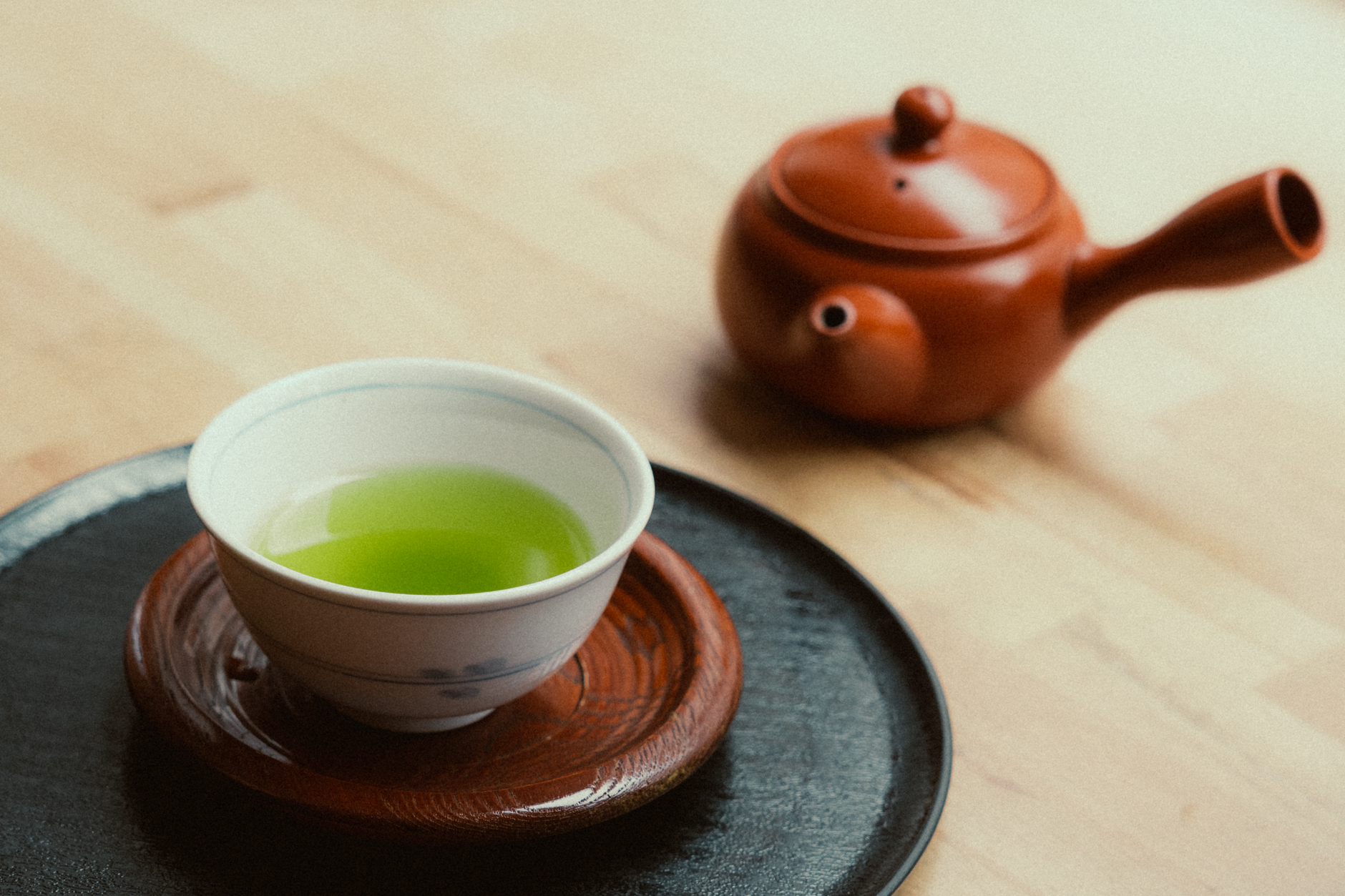
Green tea has gained immense popularity due to its health benefits and refreshing flavor. As tea drinkers become more health-conscious, many wonder about the caffeine content in green tea and whether there are decaffeinated options available. This article explores the characteristics of green tea, its caffeine levels, and the considerations for decaffeinated varieties.
By understanding green tea and its decaffeinated forms, you can make informed decisions that suit your taste and lifestyle. Whether you’re a devoted tea lover or a newcomer, this guide will help enhance your knowledge about green tea and how to incorporate it into your daily routine.
Is Green Tea Decaffeinated?
Yes, green tea can be decaffeinated. Decaffeinated green tea undergoes a process to remove most of its caffeine content while retaining its flavor and health benefits. The caffeine content is significantly reduced, making it a suitable option for those who are sensitive to caffeine or want to enjoy tea at any time of the day.
Understanding the Caffeine Content in Green Tea
The caffeine content in green tea varies depending on several factors, including the type of tea leaves, the brewing method, and the steeping time. On average, an 8-ounce cup of brewed green tea contains approximately 20-45 milligrams of caffeine. This is considerably lower than black tea, which can have 40-70 milligrams per cup, and much lower than coffee, which contains about 95 milligrams or more per serving.
For those who want to monitor or limit their caffeine intake, it’s important to know that each green tea variety has its unique caffeine profile, influenced by the processing methods and the plant variety itself. For example, matcha, which is finely ground powdered green tea, typically has higher caffeine content than other green teas due to its unique preparation and consumption method.
Decaffeination Methods
Decaffeinated green tea is produced using various methods, and each technique carries its advantages and disadvantages. Understanding these methods can help you choose the best decaffeinated green tea for your preferences.
1. Chemical Solvent Method
This common method involves soaking the green tea leaves in a solvent, typically methylene chloride or ethyl acetate. The solvent absorbs the caffeine. Afterward, the leaves are steamed to remove any chemical residues. This method is efficient but may alter the flavor slightly due to the use of chemicals.
2. Carbon Dioxide Method
The carbon dioxide method is a more natural approach. It uses high-pressure carbon dioxide to extract caffeine from the tea leaves. This method is effective and helps retain the tea’s natural flavor and antioxidants. However, it is more expensive, making the final product pricier in many cases.
3. Water Process Method
This natural method uses pure water to extract caffeine. The tea leaves are soaked in hot water, allowing the caffeine and other soluble compounds to dissolve. The water is then filtered, removing the caffeine while retaining the flavor components. This technique is considered the least processed and often results in good flavor retention, but it can be less effective in removing all caffeine.
4. Swiss Water Process
The Swiss Water Process is a specific water-based method that offers a caffeine-free option that retains the authentic flavor and characteristics of green tea. During this process, green tea leaves are soaked in hot water, and the caffeine is then extracted through carbon filters. This method does not involve chemicals and is popular among health-conscious consumers.
Types of Decaffeinated Green Tea
Decaffeinated green tea comes in various forms, each with unique qualities and flavors. Here are some popular types:
- Decaffeinated Sencha: This Japanese tea is one of the most popular decaffeinated options. It boasts a delicate flavor with grassy notes and is often enjoyed hot or cold.
- Decaffeinated Jasmine Green Tea: Infused with fragrant jasmine flowers, this tea offers a soothing aroma and light floral flavor, making it a delightful choice for any occasion.
- Decaffeinated Matcha: Ground from high-quality green tea leaves, decaffeinated matcha provides the same vibrant color and health benefits as regular matcha but with reduced caffeine content.
- Decaffeinated Gunpowder Green Tea: Known for its tightly rolled leaves, gunpowder green tea has a slightly smoky flavor. The decaffeinated version retains this unique profile for tea enthusiasts.
Benefits of Decaffeinated Green Tea
Decaffeinated green tea retains many of the health benefits associated with regular green tea while offering a lower caffeine option. Here are some potential benefits:
- Rich in Antioxidants: Green tea is packed with polyphenols, which have antioxidant properties that may help combat free radicals in the body.
- Supports Heart Health: Studies suggest that the consumption of green tea may be linked to improved cardiovascular health, including reduced cholesterol levels.
- Aids in Weight Management: Green tea has been associated with metabolism-boosting effects, which can support weight management efforts.
- May Enhance Brain Function: Some research points to green tea’s potential cognitive benefits, which are attributed to compounds like L-theanine and caffeine.
- Improves Mood and Relaxation: The calming aroma and taste of decaffeinated green tea make it an ideal choice for relaxation, particularly in the evening.
How to Brew Decaffeinated Green Tea
Brewing decaffeinated green tea is similar to brewing regular green tea, but attention should be paid to temperature and steeping time to maximize flavor. Here’s a simple guide:
Ingredients:
- 1 teaspoon of loose-leaf decaffeinated green tea or 1 tea bag
- 8 ounces of filtered water
Equipment:
- Teapot or tea infuser
- Tea kettle or heat source
- Teacup or mug
Steps:
- Heat filtered water in a kettle until just below boiling (about 175-185°F or 80-85°C).
- Add the decaffeinated green tea leaves to a teapot or infuser.
- Pour the hot water over the tea leaves or tea bag.
- Allow the tea to steep for 2 to 3 minutes. Longer steeping time may result in bitterness.
- Remove tea leaves or bag and enjoy your cup of decaffeinated green tea hot or iced.
Common Mistakes When Brewing Green Tea
To make the most of your decaffeinated green tea experience, avoid these common mistakes:
- Using Water That Is Too Hot: Water that is too hot can scald the tea leaves, leading to a bitter flavor. Stick to lower temperatures for green tea.
- Oversteeping: Steeping the tea for too long can also introduce bitterness. Follow the recommended steeping time to achieve the best flavor.
- Using Low-Quality Tea: The quality of the tea can significantly impact the flavor. Opt for high-quality decaffeinated green tea brands for the best experience.
Incorporating Decaffeinated Green Tea in Your Diet
Decaffeinated green tea can be enjoyed in various ways, making it a versatile addition to your beverage choices. Here are some ideas:
- As a Calming Evening Drink: Brew a cup of decaffeinated green tea in the evening as a relaxing ritual to wind down.
- In Smoothies: Add cooled brewed decaffeinated green tea to smoothies for a refreshing and antioxidant-rich beverage.
- As a Base for Homemade Iced Tea: Brew decaffeinated green tea and chill it for a refreshing iced tea. Add fruits or herbs for enhanced flavor.
- In Cooking and Baking: Use brewed and cooled decaffeinated green tea as a liquid in recipes for rice or in baked goods for added flavor.
Storage and Shelf Life
To maintain the flavor and freshness of decaffeinated green tea, proper storage is essential. Here are some tips:
- Store tea in a cool, dry place away from light, moisture, and strong odors.
- Use airtight containers to prevent exposure to air, which can degrade quality.
- Check the expiration date on packaged tea. While loose-leaf tea can last longer if stored properly, it is best consumed within a year for optimal flavor.
Choosing the Right Decaffeinated Green Tea
When selecting decaffeinated green tea, consider the following factors:
- Type: Explore various types of decaffeinated green tea to find one that suits your taste preferences.
- Quality: Look for reputable brands known for their tea quality and production methods.
- Flavor Profile: Consider your preferred flavor notes, such as grassy, floral, or earthy tones, to find the right tea.
- Ingredients: Check for added flavorings or additives if you’re looking for a pure and natural product.
Conclusion
Decaffeinated green tea offers a flavorful alternative for those seeking to enjoy the benefits of green tea without the caffeine. With various decaffeination methods and types available, you can find the perfect fit for your taste and lifestyle needs. Brewing it correctly and incorporating it into your diet can provide refreshing enjoyment any time of day.
For further exploration, consider checking out our detail on the taste of green tea and how to store beans appropriately for freshness. Embrace these insights as you navigate the world of tea, enhancing your culinary experiences and health.