
Experiencing vomiting can leave you feeling weak, nauseous, and uncertain about what to eat afterward. Understanding what to take when throwing up is essential for a smooth recovery. The right dietary choices can help replenish lost nutrients and soothe your stomach.
This article will discuss suitable foods and drinks to consume after vomiting, emphasizing gentle options that won’t irritate your stomach. Additionally, we will explore effective ways to restore hydration and nutrient balance to aid recovery.
What To Take When Throwing Up?
When recovering from vomiting, it’s best to focus on hydration and easily digestible foods. Clear fluids, bland foods, and small portions are recommended in the initial stages of recovery. Avoid fatty, spicy, or acidic foods until you are feeling better.
Understanding Vomiting and Its Effects
Vomiting can occur due to various reasons such as illness, food poisoning, or motion sickness. It results in the loss of fluids and minerals, leading to dehydration and weakness. After vomiting, your body needs to rehydrate and restore essential nutrients while minimizing the risk of further irritation to the stomach.
Hydration: Start With Clear Fluids
Rehydration should be your first priority. Clear fluids help replenish lost fluids without overwhelming your stomach. Here are some fluid options to consider:
- Water: Start with small sips of plain water to avoid further nausea.
- Clear Broths: Chicken or vegetable broth provides hydration and minerals without being harsh on the stomach.
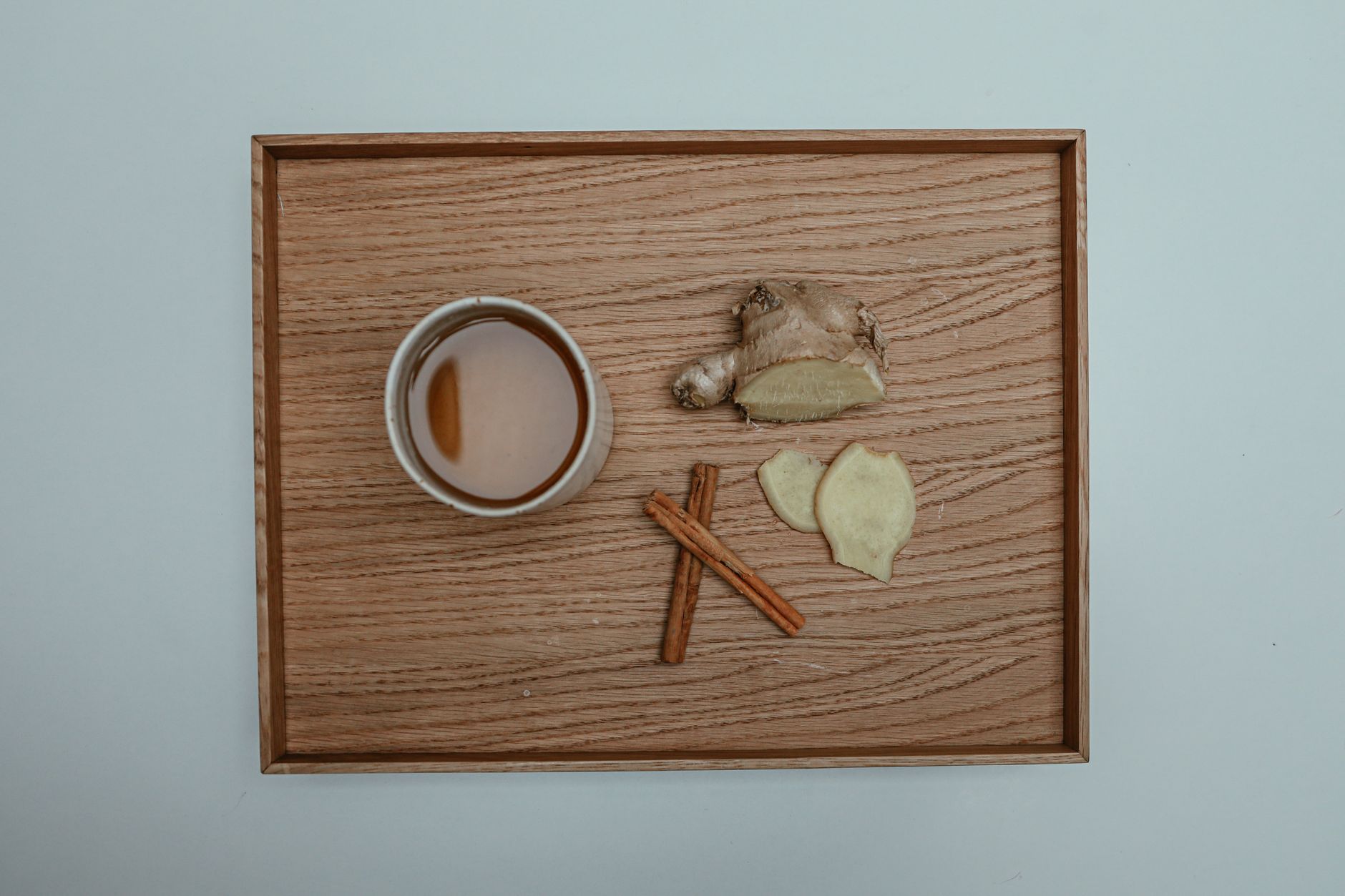
- Herbal Teas: Ginger or peppermint tea can help soothe an upset stomach. Let it cool slightly before drinking.
- Electrolyte Solutions: Store-bought rehydration solutions or oral rehydration salts can help restore lost electrolytes quickly.
- Clear Fruit Juices: Diluted apple or cranberry juice can provide vitamins and hydration. Avoid citrus juices initially, as they are acidic and can irritate.
What Foods to Eat After Vomiting
After you’ve successfully rehydrated, you can start incorporating soft, bland foods into your diet. These foods are gentle on the stomach and easy to digest:
1. BRAT Diet: A Classic Option
The BRAT diet is a well-known recommendation for those experiencing gastrointestinal distress. BRAT stands for bananas, rice, applesauce, and toast. These foods are low in fiber and help firm up stools while providing necessary nutrients:
- Bananas: High in potassium, bananas are gentle on the stomach and can help restore lost electrolytes.
- Rice: White rice is easy to digest and provides energy without irritating the stomach.
- Applesauce: This offers vitamins and pectin, which can aid digestion without the skin’s fiber.
- Toast: Plain, dry toast can help settle the stomach. Opt for white bread rather than whole grain.
2. Additional Bland Foods
In addition to the BRAT diet, consider these options:
- Cooked Potatoes: Mashed or roasted potatoes (without skins) can provide carbohydrates.
- Plain Crackers: Saltines or plain rice cakes are easy to digest and can help absorb excess stomach acid.
- Oatmeal: A small serving of plain, cooked oatmeal can provide fiber and soothe your stomach.
- Pasta: Plain pasta (avoid heavy sauces) can be a good source of carbohydrates.
3. Gradually Adding Protein
Once you can tolerate bland foods, try introducing light proteins:
- Plain Chicken: Baked or boiled chicken without seasoning can be a good protein source that is gentle on the stomach.
- Eggs: Scrambled or poached eggs are another mild protein option. Ensure they are cooked thoroughly.
Using Ginger for Nausea Relief
Ginger is widely recognized for its potential to alleviate nausea and soothe the stomach. Including ginger in your recovery options can be beneficial:
- Ginger Tea: Brew a cup of ginger tea by steeping fresh ginger in hot water.
- Ginger Ale: Opt for flat ginger ale for sweetness without carbonation to prevent bloating.
- Candied Ginger: Small amounts of candied ginger can be chewed for relief.
When to Seek Medical Attention
It’s essential to know when to seek medical help. If you experience the following symptoms, please consult a healthcare professional:
- Frequent vomiting lasting more than 24 hours.
- Signs of dehydration (dizziness, dry mouth, little to no urination).
- Severe abdominal pain.
- Vomiting blood or dark bile.
- A persistent fever over 101°F (38.3°C).
Foods to Avoid When Recovering
While it is crucial to know what to consume, it is equally important to know what to avoid. Here are some foods and drinks that may irritate the stomach:
- Fatty Foods: Fried foods or creamy dishes can exacerbate nausea.
- Spicy Foods: Spices can irritate the stomach lining.
- Caffeinated Beverages: Coffee and sodas can worsen hydration levels.
- Alcohol: Alcohol can further irritate the stomach and dehydrate the body.
- Acidic Foods: Citrus fruits and juices can cause discomfort.
- High-Fiber Foods: Whole grains, nuts, and raw vegetables can be too harsh on a recovering stomach.
Gradually Returning to Your Regular Diet
As you start feeling better, gradually reintroduce regular foods into your diet. Take it slow, adding one new item at a time and monitoring how your body responds:
- Start by incorporating small portions of more substantial meals.
- Begin with bland proteins and slowly add veggies that are easy on the stomach.
- Pay attention to your body’s signals and adjust your choices accordingly.
Tips for a Gentle Recovery
To enhance your recovery experience, consider these helpful tips:
- Eat slowly and in small portions to avoid overwhelming your stomach.
- Stay hydrated; sip fluids regularly rather than consuming large amounts at once.
- Rest and allow your body time to recover to regain strength.
- Avoid strenuous activities for a day or two following a vomiting episode.
- Practice good hygiene by washing your hands regularly to prevent the spread of any illness that may have caused vomiting.
Conclusion
In conclusion, knowing what to take when throwing up can help you recover faster and feel better. Begin with hydration using clear fluids, then move gradually to bland foods like those in the BRAT diet to help restore balance. Always listen to your body and adjust your intake accordingly.
For additional guidance on what to eat after vomiting, consider visiting this page: What to Eat After Vomiting.