
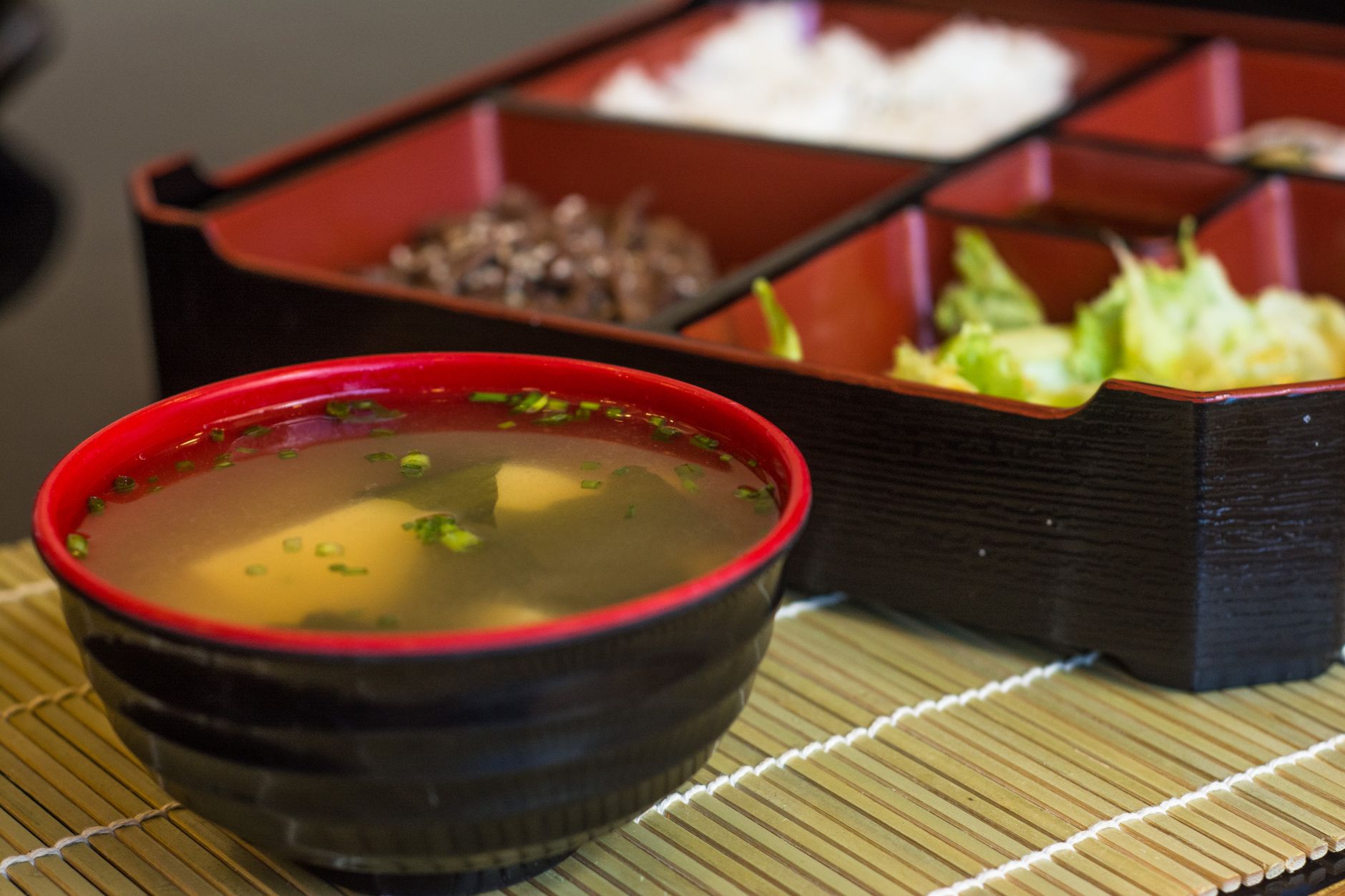
Miso soup is a popular Japanese dish known for its umami flavor and numerous health benefits. However, expectant mothers often have concerns about the safety of certain foods during pregnancy, including miso soup. Understanding the ingredients, preparation methods, and serving sizes can help ensure that you can safely enjoy this comforting dish while pregnant.
This article explores whether you can have miso soup when pregnant. We will discuss the potential benefits and risks associated with miso soup and provide practical advice on serving sizes, ingredient choices, and the best practices for preparation during pregnancy.
Can You Have Miso Soup When Pregnant?
Yes, you can have miso soup when pregnant, but it is essential to consider the ingredients and portions. Miso paste, a fermented soybean product, is generally safe, but there are factors to watch out for to ensure the dish is healthy and beneficial for you and your baby.
Understanding Miso Soup
Miso soup is a traditional Japanese soup made primarily from miso paste, which gives it a unique savory flavor. The soup often includes dashi (a broth made from dried fish or seaweed), tofu, and vegetables. Its nutritional content is quite rich, offering protein, vitamins, and minerals.
The Key Ingredients
- Miso Paste:
Miso paste is made from fermented soybeans, salt, and koji (a type of mold). It is rich in probiotics which can aid digestion and boost gut health. - Dashi:
Typically made from bonito flakes or kombu, dashi is the base flavor of the soup. Vegetarian versions can be made using mushrooms or seaweed. - Tofu:
Tofu is a common addition to miso soup, providing protein and calcium. Ensure it is pasteurized, as some varieties of raw tofu can pose risks. - Vegetables:
Common vegetables like green onions, seaweed, or mushrooms can enhance the soup’s nutrients and flavor.
Nutritional Considerations
While miso soup can be beneficial, pregnant women need to be mindful of certain nutritional content. Miso paste is high in sodium, which can lead to increased blood pressure. Moderation is key.
Health Benefits of Miso Soup During Pregnancy
- Probiotics: The fermentation process in miso creates beneficial bacteria, which can support digestive health.
- Protein and Nutrients: With added tofu and vegetables, miso soup can provide a source of protein, vitamins, and minerals essential for pregnancy.
- Hydration: Soups are generally hydrating, keeping you well-hydrated, a crucial aspect of pregnancy care.
Potential Risks
Although miso soup has many benefits, there are some risks to consider:
Sodium Content
Miso paste can contain high levels of sodium, which may contribute to hypertension. Pregnant women should limit their sodium intake to avoid complications such as preeclampsia. Check the nutritional label of the miso paste or make your own to control sodium levels.
Food Safety
Ensure that all ingredients, especially tofu, and dashi, are pasteurized. This reduces the risk of foodborne illness, which can be more harmful during pregnancy.
Allergies
Some women may have soy allergies. If you know you are allergic, avoid miso soup altogether and consider alternatives to provide similar flavors.
Choosing the Right Ingredients
When preparing miso soup during pregnancy, choosing fresh, high-quality ingredients is crucial. Here are some tips:
Selecting Miso Paste
Miso paste comes in various types, including white (shiro), yellow (shinshu), and red (aka). While all types are generally safe, white miso tends to be lower in sodium and milder, making it a good choice for pregnancy.
Sourcing Tofu
Select pasteurized, firm tofu to prevent any risk of bacterial contamination. Soft or silken tofu can be used but ensure it is also pasteurized.
Vegetarian vs. Non-Vegetarian Dashi
If you’re avoiding fish, opt for a vegetarian dashi made with mushrooms or kombu. Some ready-made dashi products are also safe for pregnancy, just check the labels carefully.
How to Prepare Miso Soup
Preparing miso soup is straightforward and quick, making it a convenient option for busy expectant mothers.
Essential Equipment
- Soup pot or saucepan
- Whisk or spoon for mixing
- Measuring cups and spoons
- Knife and cutting board
- Bowl for serving
Recipe for Miso Soup
Yield
This recipe makes approximately 4 servings.
Preparation Time
10 minutes
Cooking Time
10 minutes
Total Time
20 minutes
Ingredients
- 4 cups of water
- 1/4 cup of miso paste (white or yellow)
- 1/2 cup of firm tofu, diced
- 2 green onions, chopped
- 1/4 cup of dried seaweed (wakame) or mushrooms (shiitake or enoki)
- Optional: 1 tablespoon of soy sauce (low sodium)
Instructions
- In a soup pot, bring 4 cups of water to a boil.
- Reduce the heat to medium and add the dried seaweed or mushrooms. Cook for about 5 minutes until softened.
- In a small bowl, mix the miso paste with a small amount of hot water to dissolve it. This helps to prevent clumping.
- Add the dissolved miso paste to the soup and stir well.
- Next, add the diced tofu and chopped green onions, and let the soup simmer on low heat for an additional 2-3 minutes.
- Remove from heat and serve hot. Enjoy with a dash of soy sauce if desired.
Common Mistakes to Avoid
- Do not boil the soup after adding miso, as high heat can destroy its beneficial bacteria.
- Avoid using too much miso paste, as it can make the soup overly salty.
- Make sure the tofu is cooked properly; it should be warmed through but not mushy.
Storing and Reheating Miso Soup
Store leftover miso soup in an airtight container in the refrigerator. It is best consumed within 2-3 days. Reheat gently on the stove over low heat, adding a little water if needed to restore the original consistency.
Serving Suggestions
Miso soup is versatile and can be served as an appetizer, side dish, or even a light meal. Consider pairing it with:
- Steamed rice to add carbohydrates and texture.
- Fresh salad to add crunch and nutrients.
- Grilled fish or chicken to round out protein intake.
Practical Tips for Eating Miso Soup During Pregnancy
- Check products for pasteurization when selecting tofu and miso paste.
- Limit your intake of miso soup, especially if you have high blood pressure or gestational hypertension.
- Customize the soup with your favorite vegetables and proteins for added nutrition.
- Keep an eye on sodium levels by opting for low-sodium versions of miso and soy sauce.
Conclusion
Miso soup can be a healthy and flavorful addition to your diet during pregnancy, provided you choose the right ingredients and are mindful of portions. Enjoying it in moderation can help you take advantage of its nutritional benefits while minimizing any potential risks. If you have concerns about specific ingredients or dietary needs, consulting with a healthcare professional is always a good idea.
If you want to explore more about miso soup, learn what miso soup is, or dive deeper into tofu and its benefits for pregnancy, feel free to check out these resources. Happy cooking!