
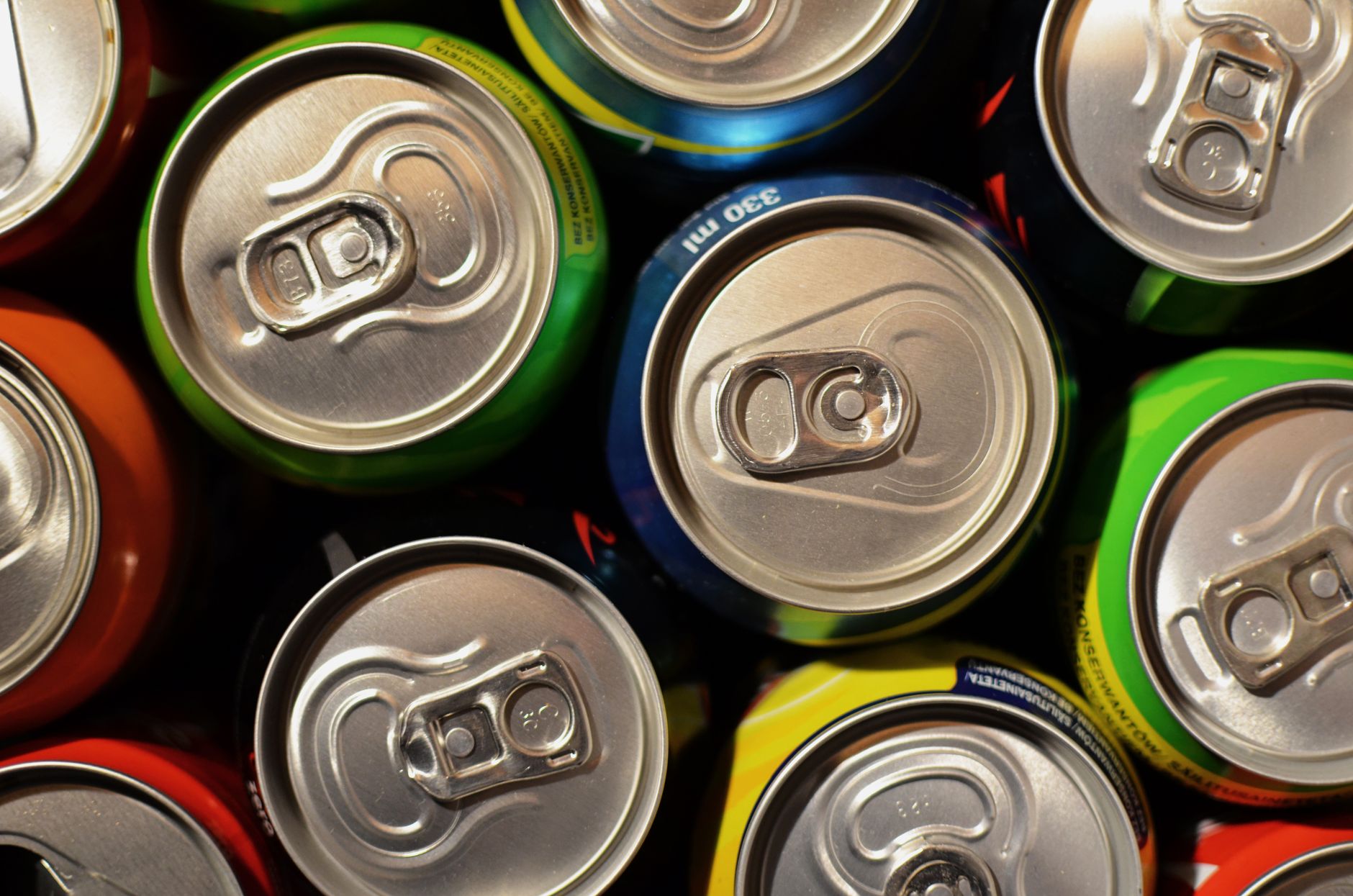
Caffeine is a popular stimulant found in various beverages, particularly in sodas. Understanding the origins of caffeine in these fizzy drinks can help consumers make informed choices about their consumption. This article explores where caffeine in soda comes from, its historical context, and the various sources that contribute to its presence in many of our favorite soft drinks.
Caffeine itself is naturally occurring, and its inclusion in soda adds an enjoyable lift for many. Let’s dive into how it became a common ingredient in soda, the sources from which it is derived, and some of the fascinating aspects of caffeine in our favorite beverages.
Where Does Caffeine in Soda Come From?
The caffeine in soda primarily comes from two main sources: natural sources like coffee beans and tea leaves, and artificial sources. These sources provide various types and amounts of caffeine that manufacturers utilize to create the final product consumers enjoy. The increase in soda caffeine content over the decades can also be linked to consumer trends and demand for energizing beverages.
Natural Sources of Caffeine
Caffeine is naturally produced by several plants and serves various purposes, including defending against herbivores and promoting pollination. Here’s a closer look at some of the most common natural sources used in sodas:
Coffee Beans
Coffee beans are one of the most popular sources of caffeine. They are used in various beverages, including energy drinks and flavored sodas, to provide a robust and rich flavor alongside the desired caffeine boost. The amount of caffeine derived from coffee beans can vary significantly based on the type of bean, the roast level, and the method used to extract the caffeine.
Tea Leaves
Tea leaves, particularly from the Camellia sinensis plant, are also rich in caffeine. Different varieties of tea, such as black, green, and oolong tea, contain varying caffeine levels. Some sodas, especially those marketed as “green tea” sodas, utilize tea extracts as a natural source of caffeine. These sodas often boast additional health benefits due to the antioxidants present in tea.
Guarana
Guarana is a climbing plant native to the Amazon Basin and contains one of the highest concentrations of caffeine found in any plant. The seeds of guarana are often used in energy drinks and sodas, providing a more potent caffeine hit compared to coffee or tea without the additional bitterness. Guarana’s unique flavor also contributes to the overall taste profile of certain sodas.
Artificial Caffeine Sources
As soft drink manufacturing evolved, so did the methods of caffeine extraction and incorporation into products. Many sodas now utilize synthetic caffeine, which is created through chemical processes. This form of caffeine provides several benefits for beverage manufacturers:
Synthetic Caffeine
Synthetic caffeine is chemically identical to that found in natural sources but can be produced at a lower cost and with greater consistency. While synthetic caffeine may not have the flavor contributions of natural caffeine sources, it provides an effective means of incorporating caffeine into sodas. This approach allows for precise control over caffeine levels in each product.
The History of Caffeine in Soda
Caffeine’s introduction into sodas dates back to the early creation of soft drinks, primarily with the inclusion of kola nuts. These nuts, derived from the Garcinia kola tree, contain natural caffeine and were initially used in recipes for popular soft drinks, such as Coca-Cola. The early formulations of soda often combined sugar, carbonation, and caffeine to produce a refreshing and energizing beverage.
The Coca-Cola Revolution
Coca-Cola, introduced in 1886, was one of the first sodas to include caffeine as an active ingredient. Originally derived from coca leaves and kola nuts, it provided a noticeable boost to consumers. As soda production expanded, the use of caffeine became standard across various brands as a marketing tool to attract consumers seeking energy-boosting beverages.
Caffeine Content in Popular Sodas
Different sodas contain varying amounts of caffeine. Below is a list of some popular sodas and their approximate caffeine content per 12-ounce serving:
| Soda | Caffeine Content (mg) |
|---|---|
| Coca-Cola | 34 |
| Coca-Cola Zero Sugar | 34 |
| Diet Coke | 46 |
| Pepsi | 38 |
| Mountain Dew | 54 |
| Dr Pepper | 41 |
| Barq’s Root Beer | 22 |
| Sprite | 0 |
As seen in the table above, the caffeine content can vary widely among sodas. Consumers should check labels if they are concerned about their caffeine intake, especially when consuming multiple caffeinated products throughout the day.
Health Considerations Around Caffeine Consumption
While caffeine can provide a temporary boost in energy and concentration, it’s essential to be mindful of consumption levels. The general guideline from the FDA suggests a maximum daily intake of 400 mg of caffeine, which is roughly equivalent to four 8-ounce cups of brewed coffee or 10 cans of soda. However, individual tolerance varies due to factors such as age, body weight, and overall health.
Potential Benefits
Moderate caffeine consumption does have some reported benefits, including improved alertness and performance during physical activities. Many athletes incorporate caffeinated beverages to enhance performance. Additionally, there is some evidence suggesting caffeine may play a role in reducing the risk of certain diseases, though research is ongoing.
Potential Risks
Excessive caffeine consumption may lead to side effects such as anxiety, sleep disturbances, and digestive issues. Individuals with certain health conditions are advised to limit or avoid caffeine altogether. Pregnant women, for example, are often advised to minimize caffeine intake due to potential risks associated with high levels.
How to Make Caffeinated Soda at Home
If you’re interested in crafting your own caffeinated soda at home, it’s an enjoyable project. Here’s a simple recipe that combines natural ingredients for a refreshing beverage:
Homemade Caffeinated Lemonade Soda
Yield: 4 servings
Preparation time: 10 minutes
Total time: 10 minutes
Ingredients
- 2 cups fresh lemon juice
- 1 cup simple syrup (1 cup sugar dissolved in 1 cup hot water)
- 4 cups sparkling water
- 1 tablespoon brewed and cooled green tea (for caffeine)
- Ice cubes
- Lemon slices for garnish
Essential Equipment
- Large pitcher
- Measuring cups
- Stirring spoon
- Glasses
Method
- In a large pitcher, combine the fresh lemon juice and simple syrup. Stir well to combine.
- Add the brewed green tea to the mixture, incorporating it into the lemonade.
- Pour in the sparkling water gently to maintain carbonation, stirring lightly.
- Serve in glasses filled with ice cubes, garnishing with lemon slices.
This homemade caffeinated soda allows you to control the amount of caffeine and sweetener in your drink. Feel free to experiment by adding herbs or fruit purees for additional flavor.
Practical Tips for Caffeine Consumption
As you navigate your caffeine intake from sodas and other sources, consider the following tips:
- Check labels: Always check the caffeine content on beverage labels to make informed choices.
- Moderation: If you enjoy caffeine, consuming it in moderation will help prevent adverse effects.
- Know your limits: Everyone’s tolerance varies, so listen to your body and adjust accordingly.
- Hydrate: Make sure to balance caffeinated drinks with water to stay hydrated.
Conclusion
The caffeine found in soda primarily comes from natural sources like coffee beans and tea leaves, but artificial caffeine is also widely used due to its consistency and cost-effectiveness. Caffeine has become a defining characteristic of many popular sodas, dating back to iconic products like Coca-Cola, and it continues to influence consumer choices. By understanding the origins and implications of caffeine in sodas, you can make better decisions that align with your preferences and dietary goals.
Explore more about managing your caffeine intake with articles such as whether Diet Dr Pepper has caffeine and what tea has the most caffeine. Understanding the ingredients in your beverages can help create a healthier lifestyle.