
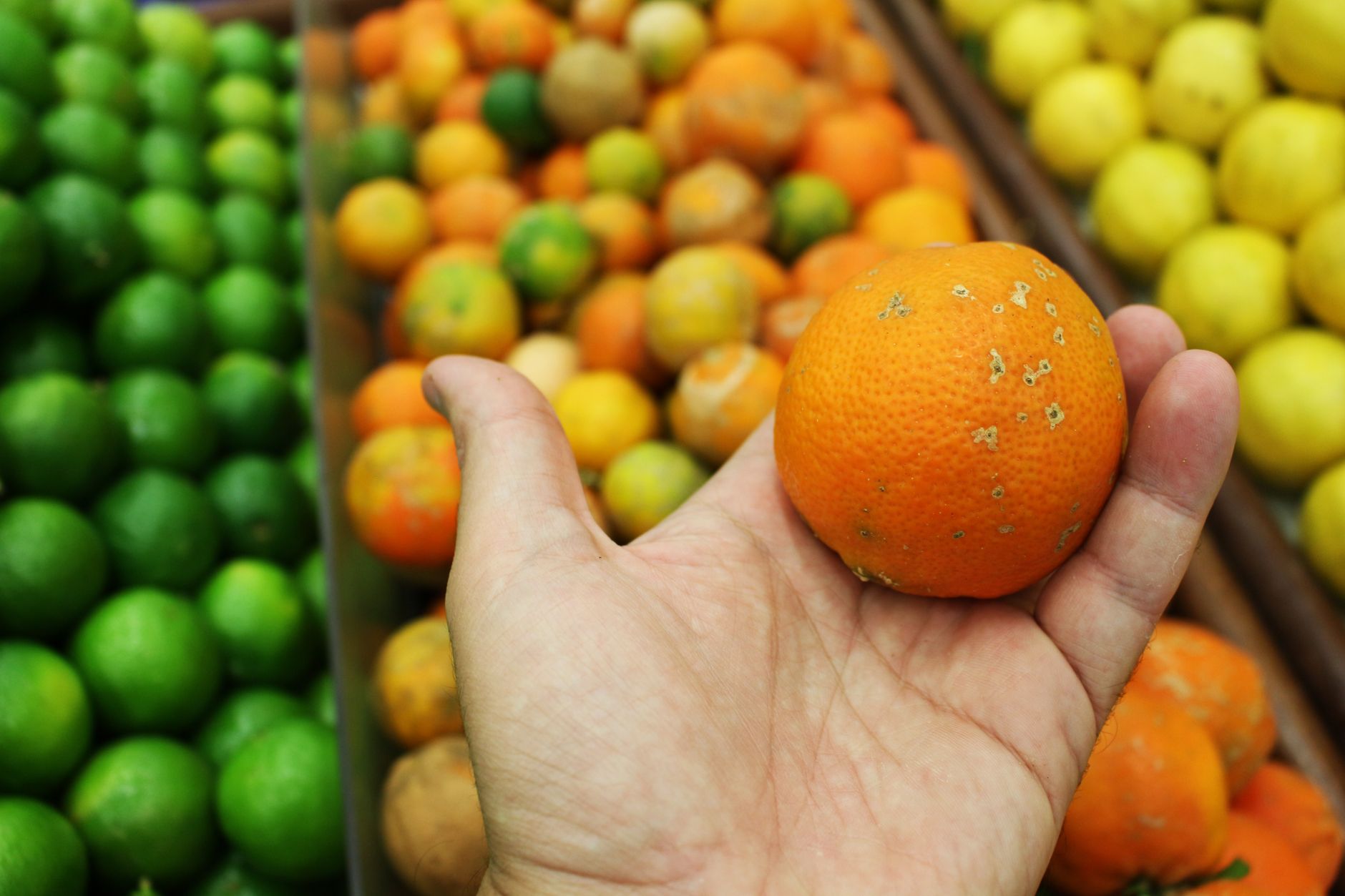
Lemons are a versatile and essential ingredient in many kitchens, prized for their bright flavor and culinary uses. However, like any fresh produce, lemons have a shelf life and can go bad. Understanding how to identify a bad lemon is vital for ensuring the best flavor in your dishes, as well as for food safety.
This guide will help you learn how to store lemons properly, assess whether they are fresh or spoiled, and provide practical tips for maximizing their shelf life. You’ll also discover ways to use lemons effectively in your meals.
How Do You Know If a Lemon Is Bad?
To determine if a lemon has gone bad, look for signs such as discoloration, soft or mushy spots, an off smell, or mold. Fresh lemons should be firm, bright yellow, and free from blemishes. A combination of visual inspection and tactile assessment is the best way to evaluate their quality.
Signs of Spoilage in Lemons
Knowing the specific indicators of spoilage can help you quickly assess the freshness of your lemons. Here are the key signs to watch for:
1. Appearance
- Color Changes: Fresh lemons are typically bright yellow. If a lemon has turned dull or brownish, it is likely past its prime.
- Blemishes and Spots: Lemons with dark spots or blemishes can indicate rot or infection. Inspect for any soft or mushy areas, which may suggest internal decay.
- Mold: If you see any fuzzy, mold-like growth on the skin, discard the lemon immediately.
2. Texture
- Softness: A fresh lemon should feel firm when you squeeze it. If it feels soft or squishy, it is likely spoiled.
- Wrinkles: While a slightly wrinkled skin can indicate age, avoid lemons that are excessively wrinkled, as this suggests dehydration and spoilage.
3. Smell
- Off Odor: Fresh lemons have a bright, citrusy smell. If you detect a sour or off smell, it’s best to discard the lemon.
- Fermentation: A fermented smell indicates that it is no longer fresh. Dispose of the lemon if you notice any signs of fermentation.
4. Taste
- Bitter or Off Flavor: While tasting lemons rarely occurs (as most recipes call for juicing or zesting), if you do try a small taste and it is overwhelmingly bitter or has an off flavor, discard the lemon.
How to Store Lemons Properly
Proper storage of lemons can significantly extend their freshness. Here are some effective methods for storing lemons:
1. Room Temperature
- Short-term Storage: If you plan to use lemons within a few days, storing them at room temperature is fine. Keep them in a cool, dry place away from direct sunlight to prevent them from drying out.
2. Refrigerator
- Long-term Storage: For longer shelf life, store lemons in the refrigerator. Place them in a plastic bag or an airtight container to prevent moisture loss.
- Humidity Control: The crisper drawer is ideal since it helps maintain humidity levels.
3. Freezing
- For Extended Use: If you have an excess amount of lemons, consider freezing them. You can freeze whole lemons, lemon juice, or lemon zest.
- Freezing Method: To freeze whole lemons, place them in a freezer bag and squeeze out excess air before sealing. Alternatively, squeeze the juice into ice cube trays and freeze, or zest the lemons before freezing the zest in small portions.
What to Do with Old Lemons
Even if lemons are slightly past their peak freshness but still safe to consume, they can be repurposed creatively. Here are some ways to make the most out of older lemons:
1. Infused Water or Tea
If your lemons are still firm and aromatic but have visible blemishes, squeeze their juice into water or tea for a refreshing drink. Infused lemon water is both hydrating and adds a delightful flavor.
2. Homemade Lemonade
Use slightly older lemons to make homemade lemonade. The added sweetness counteracts any bitterness from the aging lemons, creating a refreshing beverage.
3. Cleaning Agent
Lemons are great natural cleaning agents due to their acidity and pleasant scent. Use old lemons mixed with baking soda to clean surfaces and combat odors in your kitchen.
4. Zest for Flavoring
If a lemon is still juicy but starting to lose its freshness, zest it before it goes bad. You can freeze the zest for later use in recipes or sprinkle it onto dishes for added flavor.
How to Use Lemons in Cooking and Baking
Lemons serve versatile functions in cooking and baking, enhancing flavors and providing acidity. Here are some key uses:
1. Flavor Enhancer
Lemon juice and zest can brighten various dishes, including salads, marinades, and seafood. They balance flavors and add freshness.
2. Baking Ingredients
Lemons are often used in baked goods for their acidity, which benefits chemical leavening agents like baking soda. Lemon bars, cakes, and curds are just a few examples.
3. Preserves and Canning
Lemons play a role in canning and preserving, helping to maintain acidity and prevent spoilage in fruit preserves. Lemon juice can also enhance the flavor of various jams and jellies.
4. Dressings and Sauces
Lemon juice is a staple in salad dressings, marinades, and sauces. Combine lemon juice with olive oil, herbs, and seasonings for a simple vinaigrette.
Common Mistakes to Avoid
When dealing with lemons and citrus fruits, avoid these common pitfalls:
- Ignoring signs of spoilage: Always check the exterior and smell the lemon before using it. Using spoiled lemons can negatively affect your dish.
- Storing them improperly: Don’t leave lemons in direct sunlight or in a hot environment. Proper storage maintains both quality and safety.
- Wasting excess fruit: If lemons are nearing spoilage, use them creatively rather than discarding them. Consider juicing, zesting, or using them in other preparations.
Additional Storage Tips for Lemons
Here are some additional tips to keep your lemons fresh:
- Avoid Washing Before Storage: Refrigerated lemons should not be washed until you’re ready to use them, as moisture can promote mold growth.
- Puncture Holes for Ventilation: If storing lemons in a bag, make a few small holes for ventilation to prevent moisture buildup.
- Survey Regularly: Regularly check stored lemons for signs of spoilage, especially if you’re keeping them for several days or weeks.
Conclusion
Identifying a bad lemon is an important skill for any home cook or baking enthusiast. By understanding the signs of spoilage and proper storage techniques, you can enjoy the vibrant flavor of fresh lemons in your culinary creations. Make use of lemons wisely, and never let a good lemon go to waste!
Explore more about using lemons with our recipes for delicious lemon-infused dishes such as lemon pepper seasoning and lemon dump cake.