
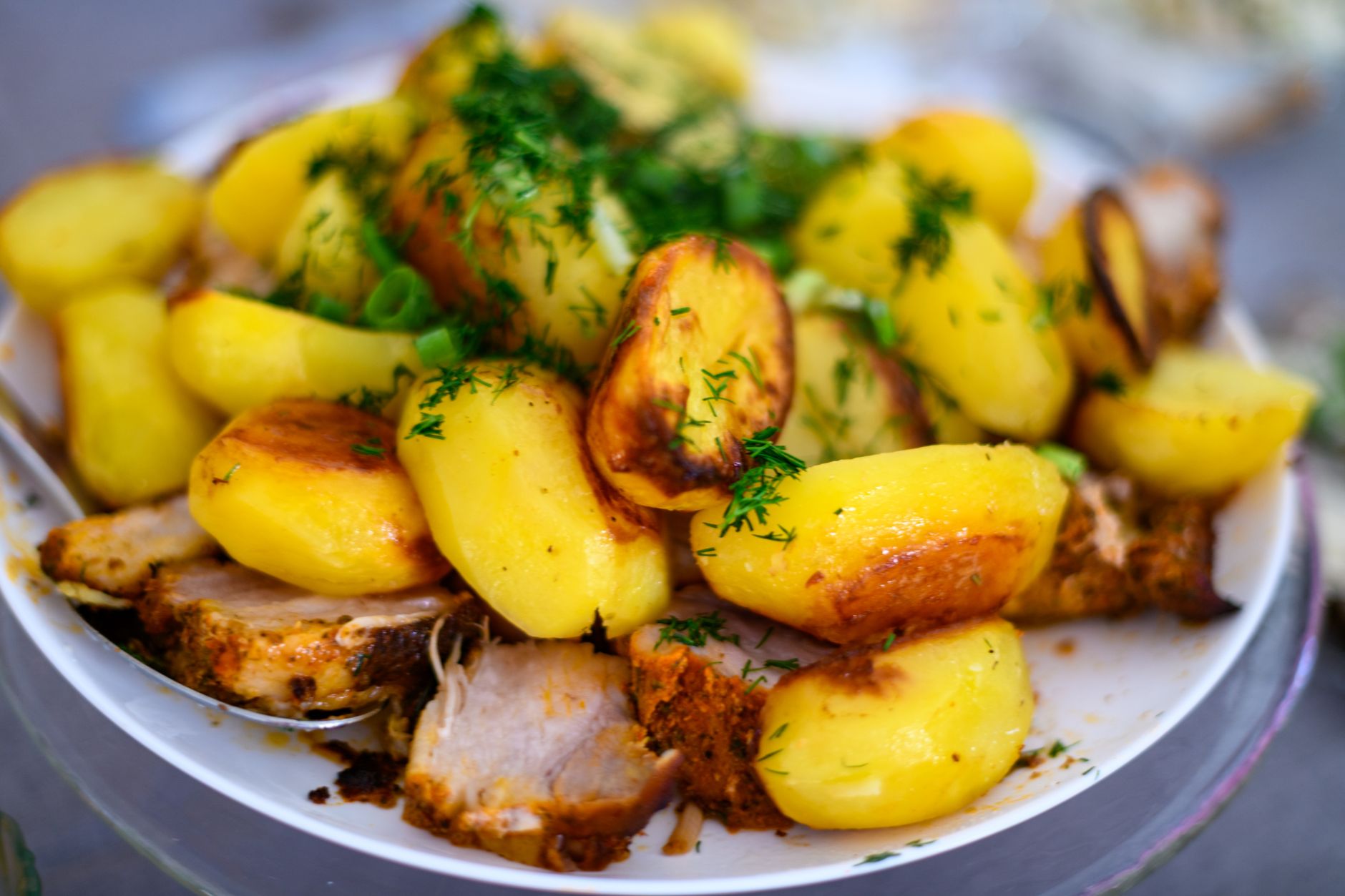
When considering a keto diet, many people wonder whether sweet potatoes or regular potatoes fit within their carbohydrate limits. The keto diet is low in carbs, which often leads to the exclusion of many starchy vegetables. This article will delve into whether potatoes are keto-friendly, examining their nutritional profile, suggested portions, and creative meal ideas.
Potatoes are a staple food in many diets around the world, yet their high starch content raises questions regarding their compatibility with keto principles. Below, we will explore the nutrition of different types of potatoes, how to portion them properly if included in a keto meal plan, and some delicious meal ideas that can incorporate potatoes sensibly.
Is Potato Keto Friendly?
No, potatoes are generally not considered keto-friendly. They are high in carbohydrates, which can potentially disrupt ketosis, the metabolic state central to the ketogenic diet. A medium potato can contain around 30 grams of carbs, far exceeding the daily carb limits set by most keto meal plans.
To keep the body in ketosis, individuals typically aim to consume about 20 to 50 grams of carbohydrates per day, meaning that even one medium potato can take up a significant portion of that allowance. However, with careful planning and moderation, some may find ways to enjoy potatoes without fully knocking themselves out of ketosis.
Nutritional Profile of Potatoes
To understand why potatoes are often classified as non-keto, we need to consider their composition. Here’s a general breakdown of the nutrition in one medium-sized potato (around 150 grams):
- Calories: Approximately 130
- Carbohydrates: About 30 grams
- Fiber: 2 grams
- Sugars: 1 gram
- Protein: 3 grams
- Fat: 0 grams
- Vitamin C: 30% of the Daily Value (DV)
- Potassium: 15% of the DV
While potatoes offer some nutritional benefits, such as vitamins and minerals, their carbohydrate content makes them less than ideal for a keto lifestyle.
Types of Potatoes and Their Carb Counts
Numerous varieties of potatoes exist, each with varying carbohydrate levels. Here’s a breakdown of some common types:
- White Potatoes: A large white potato can contain about 37 grams of carbs.
- Red Potatoes: Approximately 30 grams of carbs in a medium-sized red potato.
- Sweet Potatoes: About 26 grams of carbs in a medium sweet potato; occasionally considered more nutritious but similarly high in carbohydrates.
- Yukon Gold Potatoes: Roughly 30 grams of carbs in a medium-sized Yukon Gold.
The sugar and starch content varies slightly among these types, but all generally fall into a range that is high for a keto diet. Sweet potatoes may contain more vitamins and minerals, but they still pose a similar carbohydrate risk.
Portion Control: Using Potatoes in a Keto Plan
While it’s wise to avoid potatoes altogether in a strict ketogenic diet, there are some ways to incorporate them in moderation. Here are a few tips on how to control portions when using potatoes:
- Limit Serving Size: Restrict portions to about 1/4 of a medium potato, which would total approximately 7-10 grams of carbs.
- Pair with Low-Carb Foods: Include potatoes in meals with protein and healthy fats, which can help mitigate blood sugar spikes.
- Focus on Other Low-Carb Options: Consider alternatives such as cauliflower or zucchini that can mimic the texture and appearance of potatoes with far fewer carbs.
It’s crucial to keep an eye on overall daily carb intake, so tracking these numbers can be beneficial if you choose to include potatoes occasionally.
Meal Ideas Incorporating Potatoes in Moderation
1. Cauliflower and Potato Mash
This dish replaces most of the potatoes with cauliflower, significantly lowering the carb content while still allowing a small quantity of potato for flavor.
- Ingredients:
- 1 cup cauliflower florets
- 1/4 medium potato, peeled and cubed
- Butter and/or cream to taste
- Salt and pepper
- Boil the cauliflower florets and potato cubes in salted water until fork-tender (about 15 minutes).
- Drain and return to the pot.
- Add butter and/or cream, and mash until smooth.
- Season with salt and pepper before serving.
2. Potato and Vegetable Frittata
A frittata can incorporate a small amount of potato along with vegetables and eggs, making for a nutrient-dense dish.
- Ingredients:
- 1/4 of a medium potato, thinly sliced
- 1 cup spinach
- 3 eggs
- 1/4 cup cheese (optional)
- Salt and pepper
- Preheat the oven to 350°F (175°C).
- Sauté the sliced potatoes in an oven-safe skillet until they start to soften.
- Add spinach and sauté until wilted.
- Whisk eggs with salt, pepper, and cheese, and pour over the potatoes and spinach.
- Cook on the stovetop briefly, then transfer to the oven and bake until the eggs set (about 10-12 minutes).
3. Potato Skins with Toppings
Using only the potato skins allows for lower carbs and creates a crunchy base for your favorite toppings.
- Ingredients:
- 2 potato skins
- Shredded cheese
- Cooked bacon bits
- Green onions and sour cream for topping
- Preheat the oven to 400°F (200°C).
- Rub the potato skins with oil and place on a baking sheet.
- Bake until crispy (about 15-20 minutes).
- Remove from oven, fill with cheese and bacon, then return to bake until cheese melts.
- Top with green onions and sour cream before serving.
Alternatives to Potatoes for a Keto Diet
If you want to avoid potatoes entirely, consider using some low-carb alternatives that can provide a similar texture or flavor:
- Cauliflower: Cauliflower can be mashed, riced, or baked to provide fulfilling substitutes.
- Turnips: Turnips have a similar texture and can be roasted or mashed.
- Rutabaga: This root vegetable is another alternative, with lower carbohydrate content.
- Zucchini: Shredded zucchini can replace shredded potatoes, especially in dishes like hashes.
Common Mistakes When Following a Keto Diet
Maintaining a strict keto diet involves avoiding several pitfalls:
- Ignoring Serving Sizes: Underestimating portion sizes can lead to higher carb intake than intended.
- Choosing Starchy Vegetables: Not all vegetables are equal in carbs; it’s essential to prioritize low-carb options.
- Not Tracking Macros: Many people fail to keep accurate records, leading to unintentional carb overconsumption.
Cooking Techniques for Potatoes
If you’re experimenting with potatoes in your meals, the method of cooking can significantly impact carbohydrate availability and the overall meal’s healthfulness:
- Baking: Retains nutrients and does not require additional fat.
- Boiling: Can sometimes make potatoes higher in glycemic index if cooked too long.
- Roasting: Good for flavor; using healthy oils can enhance this method.
- Mashing: You can minimize added carbs by incorporating other vegetables like cauliflower.
Conclusion
In summary, while potatoes can be delicious and nutritious in a balanced diet, they are typically not keto-friendly due to their high carbohydrate content. If you wish to include potatoes in your keto journey, precise portion control and pairing them with low-carb foods may allow for occasional enjoyment.
For those strictly adhering to a ketogenic diet, exploring alternatives like cauliflower, rutabaga, and turnips may prove beneficial for maintaining your carb limits without sacrificing flavor in meals. Keep in mind culinary creativity can lead to satisfying and keto-approved meals even without traditional potatoes!
For further information, feel free to check out our articles on the gluten content in potatoes or learn about new potato varieties, such as Is There Gluten in Potatoes? and What Are New Potatoes?.