
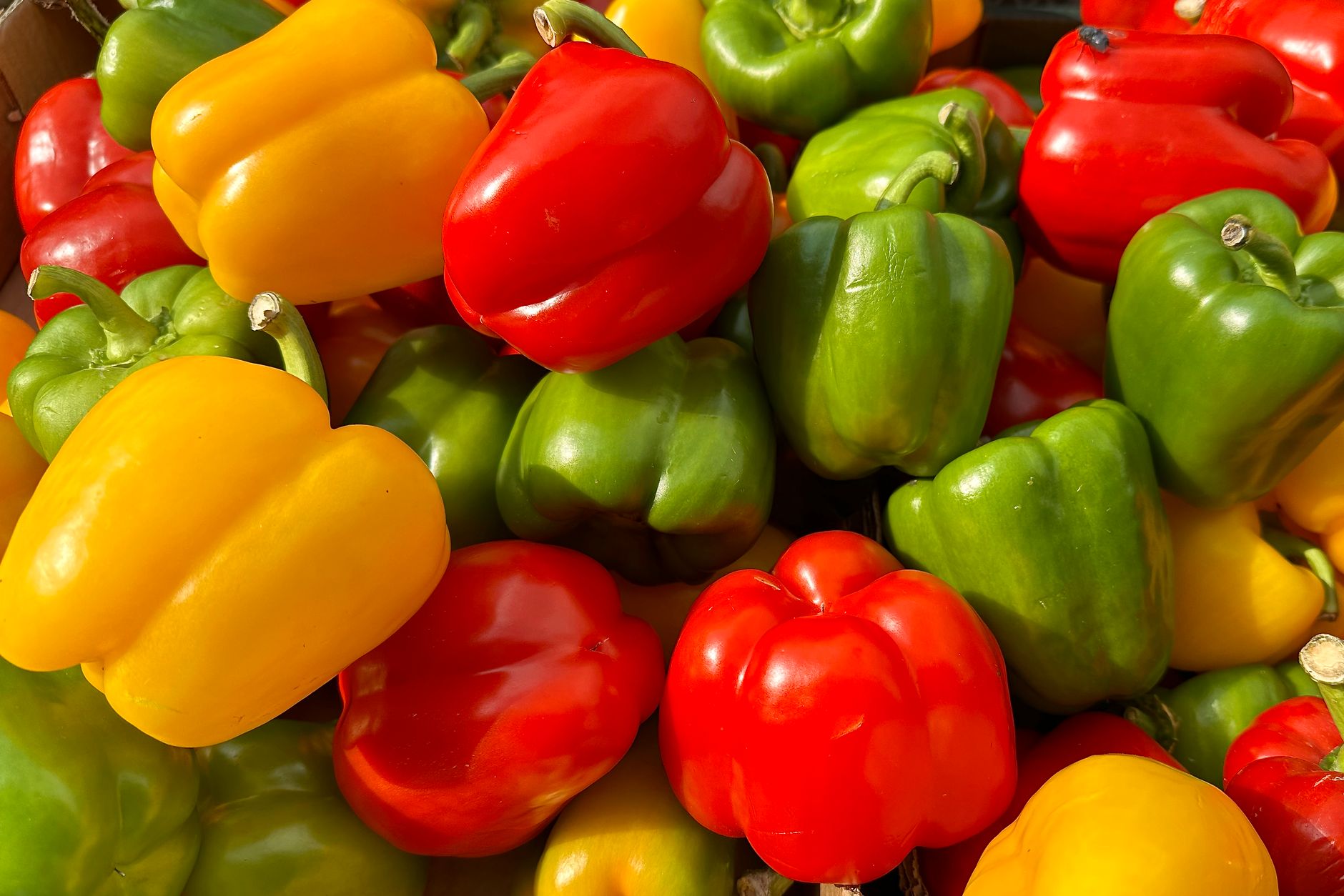
Peppers, with their vibrant colors and diverse flavors, play a crucial role in countless dishes around the world. While they are commonly treated as vegetables in culinary contexts, botanically speaking, peppers are classified as fruits. This distinction can often lead to confusion, prompting many to ask: is pepper a fruit? Understanding this classification can enhance your cooking knowledge and appreciation for these versatile ingredients.
In this article, we will delve into the botanical aspects of peppers, examine their nutritional profile, discuss various kitchen uses, and provide practical tips for selecting, storing, and cooking with different types of peppers. Whether you’re a seasoned chef or a culinary beginner, this guide is designed to deepen your understanding of peppers and their role in your kitchen.
Is Pepper a Fruit?
Yes, peppers are fruits from a botanical standpoint. Specifically, they are classified as berries because they develop from the ovary of a flower and contain seeds. This botanical classification includes sweet bell peppers, spicy jalapeños, and even the fiery habaneros, all of which belong to the genus Capsicum.
The Botanical Classification of Peppers
When discussing the classification of peppers, it’s essential to understand basic botanical terms. Here’s a breakdown:
- Fruit: A mature ovary of a flowering plant, typically containing seeds. Fruits can be fleshy or dry.
- Vegetable: A broader culinary term that refers to the edible parts of plants, including leaves, stems, roots, and bulbs, as well as fruits used as vegetables.
- Berries: A type of fleshy fruit that is produced from a single ovary and usually contains multiple seeds. Peppers fall into this category.
According to these definitions, peppers qualify as fruits since they develop from the flowering parts of the plant and contain seeds, emphasizing the fascinating complexities of culinary classifications.
Nutritional Profile of Peppers
Peppers are not just colorful additions to dishes; they also pack a punch in terms of nutrition. Their nutrient-dense profile offers a variety of health benefits. Here’s what you can generally expect from a typical serving of fresh peppers:
- Vitamin C: Peppers, particularly bell peppers, are rich in vitamin C, an antioxidant that supports the immune system and skin health.
- Vitamin A: They are also a great source of vitamin A, important for eye health and maintaining skin integrity.
- Vitamin B6: This vitamin plays a vital role in metabolism and brain function.
- Fiber: Peppers provide dietary fiber, promoting digestive health.
- Low in Calories: Peppers are low-calorie foods, making them excellent for weight management.
The nutrients found in peppers can vary based on the type and color. For example, red bell peppers tend to have a higher vitamin C content than their green counterparts, which are harvested earlier. Incorporating a variety of peppers into your diet ensures a broader range of nutrients.
Types of Peppers and Their Uses
Peppers come in a variety of shapes, colors, and flavors. Each type has its unique characteristics and culinary applications:
1. Bell Peppers
Bell peppers are sweet and mild, making them an excellent choice for raw salads, stir-fries, and stuffed pepper recipes. They are available in colors such as green, red, yellow, and orange, with red being the sweetest as it is fully ripened.
2. Jalapeños
These medium-sized peppers offer a moderate level of heat. They are commonly used in salsas, sauces, and as toppings for various dishes. Slicing them into rings or dicing them for recipes enhances their flavor profile.
3. Habaneros
Known for their intense heat, habaneros add a fiery kick to dishes. Use them sparingly in salsas or sauces to bring out their fruity flavor without overwhelming your taste buds.
4. Poblano Peppers
Poblano peppers have a rich, earthy flavor and are often used in Mexican cuisine. They are excellent when roasted, making them great for stuffing or adding depth to sauces.
5. Banana Peppers
These mild peppers are often found pickled in jars and used as sandwich toppings or in salads. Their tangy flavor complements many dishes.
Each pepper type brings its own flavor and heat levels, allowing cooks to use them strategically for different culinary outcomes.
Kitchen Uses for Peppers
Peppers are incredibly versatile in the kitchen. Here’s how to utilize them effectively based on their type and your intended culinary creations:
Raw Uses
- Salads: Raw bell peppers add crunch and sweetness to salads. Slice them thinly or dice them for colorful additions.
- Snacks: Serve pepper strips with hummus or guacamole for a healthy snack.
Cooked Uses
- Sautéing: Cut peppers into strips or dice them and sauté with onions and garlic as a flavorful base for many dishes.
- Roasting: Roasting enhances the natural sweetness of peppers. This technique works particularly well for poblano or bell peppers.
- Stuffing: Stuffed peppers are a classic dish where bell peppers or poblano are filled with meat, rice, beans, or cheese and baked.
Preserving Peppers
- Pickling: Jalapeños and banana peppers can be pickled to preserve their flavors, making them great toppings for sandwiches and salads.
- Freezing: Slice and freeze peppers to maintain their flavor for later use in soups, stews, or stir-fries.
Experimentation is key. Incorporating various peppers into your meals can create balance, depth, and excitement in your dishes.
Selecting and Storing Peppers
Choosing the right peppers can significantly affect the dish you’re preparing. Here’s how to select and store them for optimal freshness:
Selecting Peppers
- Color: Look for peppers that are brightly colored without blemishes. Vibrant colors are usually a sign of fresh produce.
- Firmness: Choose peppers that feel firm in your hand; soft or wrinkled skin may indicate freshness loss.
- Size: Consider the size of the peppers based on your intended use. Smaller varieties like jalapeños pack a punch, while larger bell peppers are great for stuffing.
Storing Peppers
For best freshness, follow these tips:
- Refrigeration: Store peppers in the refrigerator’s crisper drawer, preferably unwashed, in a breathable produce bag or container.
- Use Within a Week: While peppers can last up to two weeks in the fridge, for best flavor and texture, consume them within a week of purchase.
- Freezing: For longer storage, slice or dice peppers and freeze them in airtight containers. They can maintain quality for up to six months.
Common Mistakes and Troubleshooting
Understanding potential pitfalls can elevate your cooking game. Here are common mistakes when working with peppers and how to avoid them:
- Overcooking: Peppers can lose their vibrant flavor and texture when overcooked. Keep an eye on them while sautéing or roasting to maintain their integrity.
- Using the Wrong Variety: Not all peppers are interchangeable. Using a hot pepper when a sweet one is required can drastically alter the dish. Pay attention to recipes and stick to suggested pepper types.
- Neglecting to Remove Seeds: In hot peppers, leaving the seeds can amplify heat levels. If you prefer a milder dish, remove both seeds and membranes before cooking.
Being mindful of these common mistakes will help you make the most out of your pepper dishes.
Serving Suggestions
Peppers can enhance a variety of dishes thanks to their flavor and color. Here are some serving ideas:
- Grilled: Serve grilled pepper slices as a side dish or as a topping for grilled meats and sandwiches.
- As Toppings: Use diced peppers as a fresh topping on tacos, nachos, or pizza for added texture and flavor.
- In Dips: Blend roasted red peppers into dips or sauces for added depth and sweetness.
Make-Ahead Guidance
Many pepper dishes can be prepped in advance:
- Chopping: Cut, clean, and store peppers in the fridge for quick use in recipes throughout the week.
- Ahead of Cooking: Roast or grill peppers beforehand and freeze or refrigerate for later use in dishes like pasta or salads.
This preparation strategy saves both time and ensures you always have flavorful ingredients on hand.
Conclusion
In summary, peppers are indeed fruits, categorized botanically as berries while being versatile ingredients in the culinary world. From their nutritional benefits to various types and kitchen applications, the world of peppers offers a wealth of possibilities for cooks of all levels. By selecting the right varieties, understanding their uses, and avoiding common mistakes, you can effectively incorporate peppers into your cooking repertoire.
For more ideas featuring peppers, such as a delicious poblano peppers recipe and a guide on roasted peppers, dive into these related recipes and cooking tips.