
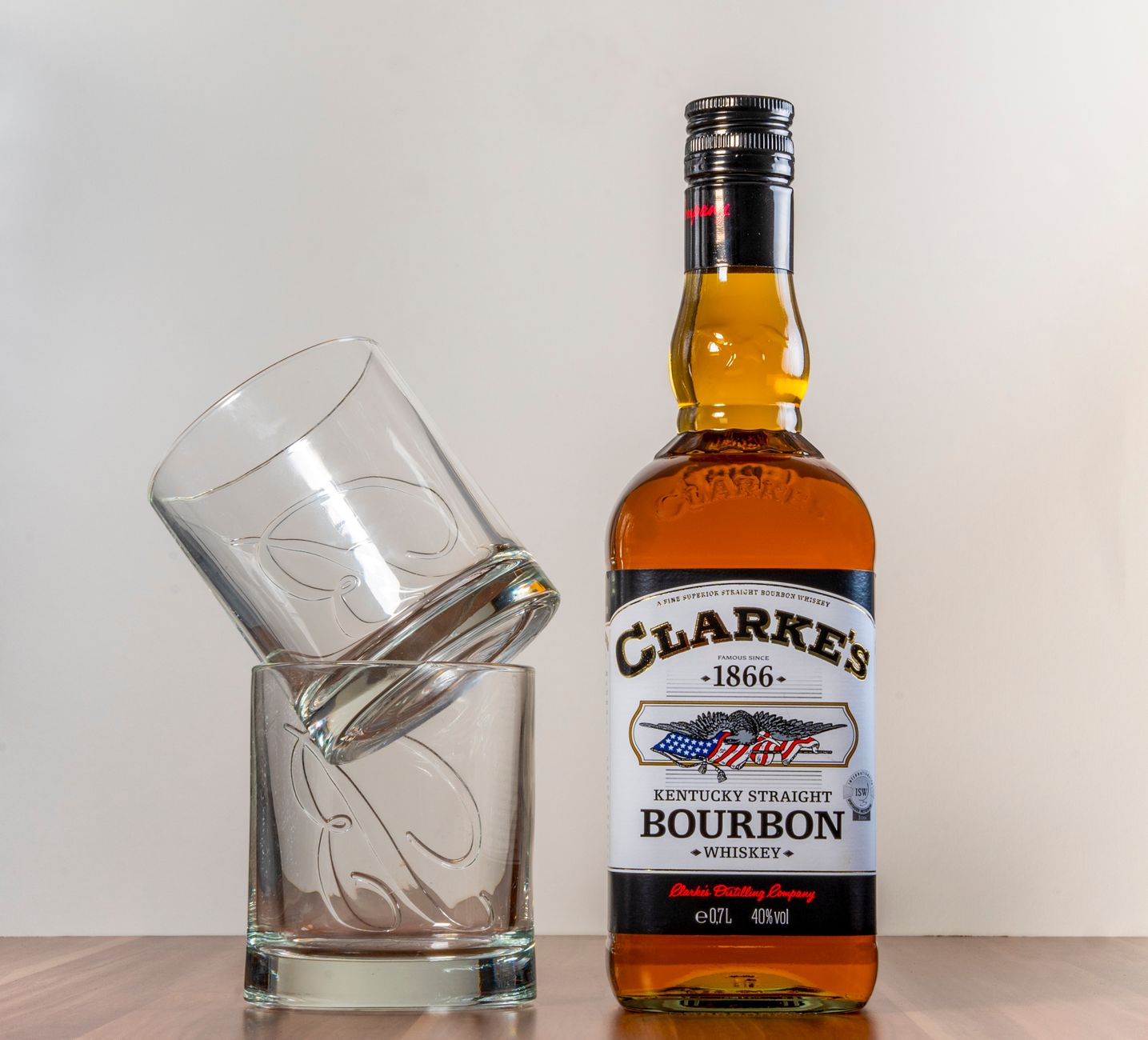
Bourbon is a unique and beloved spirit, known for its deep roots in American culture and its complex flavor profile. Understanding what bourbon tastes like is essential for both enthusiasts and casual drinkers alike, whether you’re sipping it neat, mixing it in cocktails, or using it as a culinary ingredient.
This guide will delve into the various tasting notes, textures, and ideal pairings of bourbon. From the charming sweetness to the smoky undertones, you will discover how bourbon’s nuances enhance both drinks and culinary applications.
What Does Bourbon Taste Like?
Bourbon generally presents a harmonious blend of sweet, nutty, and spicy flavors, often with underlying notes of caramel, vanilla, and oak. The taste experience can vary depending on the specific brand and expression, but these core elements contribute to bourbon’s signature profile.
To better understand bourbon’s complex flavor, it is helpful to break it down into primary tasting notes, texture, and common pairings.
Understanding Bourbon’s Flavor Profile
Bourbon’s flavor is influenced by various factors, including its ingredients, distillation process, and aging conditions. The main components of bourbon include corn (which must make up at least 51% of the grain mash), along with malted barley, rye, and wheat. Here’s a closer look at the key tasting notes you can expect from a typical bourbon:
1. Sweetness
One of the most prominent characteristics of bourbon is its sweetness. This sweetness primarily comes from the high corn content in the mash bill. Common sweet notes include:
- Caramel: Often described as toasty and rich, caramel flavors are usually intensified by the aging process in charred oak barrels.
- Vanilla: Derived from the wood during maturation, vanilla often complements the sweetness and adds a creamy texture to the spirit.
- Honey: Some bourbons showcase soft, floral honey characteristics that elevate its sweetness profile.
2. Nutty Traits
Bourbon frequently exhibits nutty flavors that add complexity. Depending on the grain mash composition, you might find:
- Almond: Some bourbons hint at almond or marzipan, especially when made with a higher percentage of malted barley.
- Pecan: This flavor note tied with spiciness offers a unique layer when enjoyed.
3. Spices and Earthiness
The spicy notes in bourbon can be attributed to rye content, which is usually responsible for the following flavors:
- Cinnamon: A classic baking spice that often emerges on the palate, giving a warming sensation.
- Black Pepper: A robust and sharp element that balances sweetness with heat.
- Cloves and Nutmeg: These spices add depth and complexity to the overall bourbon flavor.
4. Oak and Wood Characteristics
Thanks to aging in charred oak barrels, bourbon develops distinctive wood notes:
- Oak: This is a defining characteristic of bourbon, providing a backbone for its flavor profile.
- Toasted Wood: Alongside traditional oak notes, some bourbons display a toasted essence derived from the barrel charring process.
- Smokiness: While not always prominent, some bourbons may exhibit a subtle smokiness, reminiscent of campfire soot, particularly from heavily charred barrels.
5. Fruity Undertones
Bourbons can also showcase fruity notes, which provide a vibrant finish:
- Dried Fruits: Flavors such as raisins and figs can emerge, contributing a chewy, candy-like sweetness.
- Citrus: Occasionally, hints of orange or lemon zest may appear, providing brightness to the sip.
Texture of Bourbon
The texture of bourbon plays a significant role in its overall tasting experience. Most bourbons have a smooth, rich mouthfeel attributed to the high sugar content from corn and the interaction with the barrel’s wood. Here are some common textural sensations:
- Smoothness: A high-quality bourbon should glide easily over the palate, with little or no harshness.
- Creaminess: Elements from the aging process can impart a cream-like quality, making bourbon feel luxurious.
- Body: The weight of the bourbon can vary from light to full-bodied, depending on its ingredients and aging time.
Alcohol by Volume (ABV) Impact
Bourbon typically has an alcohol by volume (ABV) ranging from 40% to 50%. Higher ABV bourbons may have bolder flavors and are often characterized by an intense presence of sweetness and spice. Lower ABV bourbons generally showcase a lighter and more delicate character. Understanding the ABV can shape your expectations of the bourbon’s intensity and flavor profile.
How to Enjoy Bourbon
Now that you’ve familiarized yourself with the tasting profile of bourbon, it’s time to explore how to enjoy it. Bourbon can be savored in various ways:
1. Neat
Sipping bourbon neat allows you to appreciate the full spectrum of aroma and flavor. Use a tulip glass to facilitate the inhalation of those delightful notes. Start with a small amount, gently swirl it in the glass, and let it breathe before taking a sip.
2. On the Rocks
Pouring bourbon over ice slightly chills the spirit and can mellow its flavors. Choose large ice cubes to minimize dilution. This method is popular among those who prefer a smoother experience while still enjoying the bourbon’s character.
3. In Cocktails
Bourbon is a staple in many classic cocktails, including:
- Old Fashioned: Made with sugar, bitters, and an orange twist, the Old Fashioned highlights the bourbon’s rich flavors.
- Manhattan: A mix of bourbon, sweet vermouth, and bitters served up, creating a sweet and aromatic cocktail.
- Mint Julep: A refreshing blend of bourbon, mint, and simple syrup, synonymous with southern hospitality.
4. Culinary Uses
Bourbon isn’t limited to drinks; it’s also an excellent ingredient for cooking. From glazes to marinades, bourbon can enhance and elevate many dishes. Common uses include:
- Glazing meats like chicken and pork for a sweet, caramelized finish.
- Flavoring desserts such as bourbon pecan pie or bourbon chocolate sauce.
- Adding depth to sauces and dressings.
What to Pair with Bourbon
Food pairing can also enhance the bourbon experience. Here are some ideal food pairings that complement various flavor profiles:
1. Sweet Pairings
The sweetness in bourbon pairs well with a wide array of desserts, such as:
- Pecan pie
- Chocolate brownies
- Ice cream topped with bourbon caramel sauce
2. Sav savory Pairings
Bourbon can also enhance savory flavors and dishes. Consider pairing it with:
- Grilled meats, such as steak or barbecue ribs, where the smoke can complement the spirit’s oakiness.
- Cheese, particularly aged, sharp varieties like aged cheddar or blue cheese for contrasting flavors.
- Nutty foods, such as roasted almonds and pecans, which echo the nutty notes in bourbon.
3. Spicy Pairings
Spicy dishes can stand up to bourbon’s robust character, making for exciting pairing options, such as:
- Jalapeño cornbread
- Spicy barbecue sauces on meats
- Cajun or Southern dishes, which often feature bold flavors and spices.
Common Mistakes to Avoid When Tasting Bourbon
To fully appreciate the experience of tasting bourbon, it’s important to avoid common mistakes that can diminish the experience:
- Rushing the Experience: Take your time. Allowing the bourbon to breathe and savoring each sip enhances the enjoyment.
- Overly Diluting: If you prefer your bourbon on the rocks, use larger ice cubes to reduce dilution and preserve flavor.
- Not Noting the Differences: Explore various brands and styles side by side to understand the ranges in bourbon and enhance your tasting palate.
Storage and Serving Tips
Proper storage and serving of bourbon can influence not just its longevity but also its flavor preservation. Here are some tips to keep in mind:
1. Storage
Bourbon should be stored upright to prevent the cork from drying out. Keep it away from direct sunlight and extreme temperature changes, ideally anywhere between 60°F to 75°F. Avoid storing bourbon in the refrigerator, as this can alter its flavor and aroma.
2. Serving Temperature
Bourbon is typically served at room temperature, which helps show off its depth of flavor. If mixing cocktails, it’s best to chill your mixers instead of the bourbon itself.
Conclusion
Understanding what bourbon tastes like encompasses much more than simply noting its sweet character. From its rich, caramel-like flavors and nutty undertones to its warming spices and oaky notes, bourbon is a complex spirit worth exploring. As you learn to appreciate bourbon’s multiple flavors and textures, feel free to experiment with various forms of enjoyment and ideal food pairings.
For those eager to try bourbon in a culinary context, consider exploring bourbon-based dishes such as bourbon glaze or bourbon chicken, both of which elevate your meal with the spirit’s distinctive flavor.