
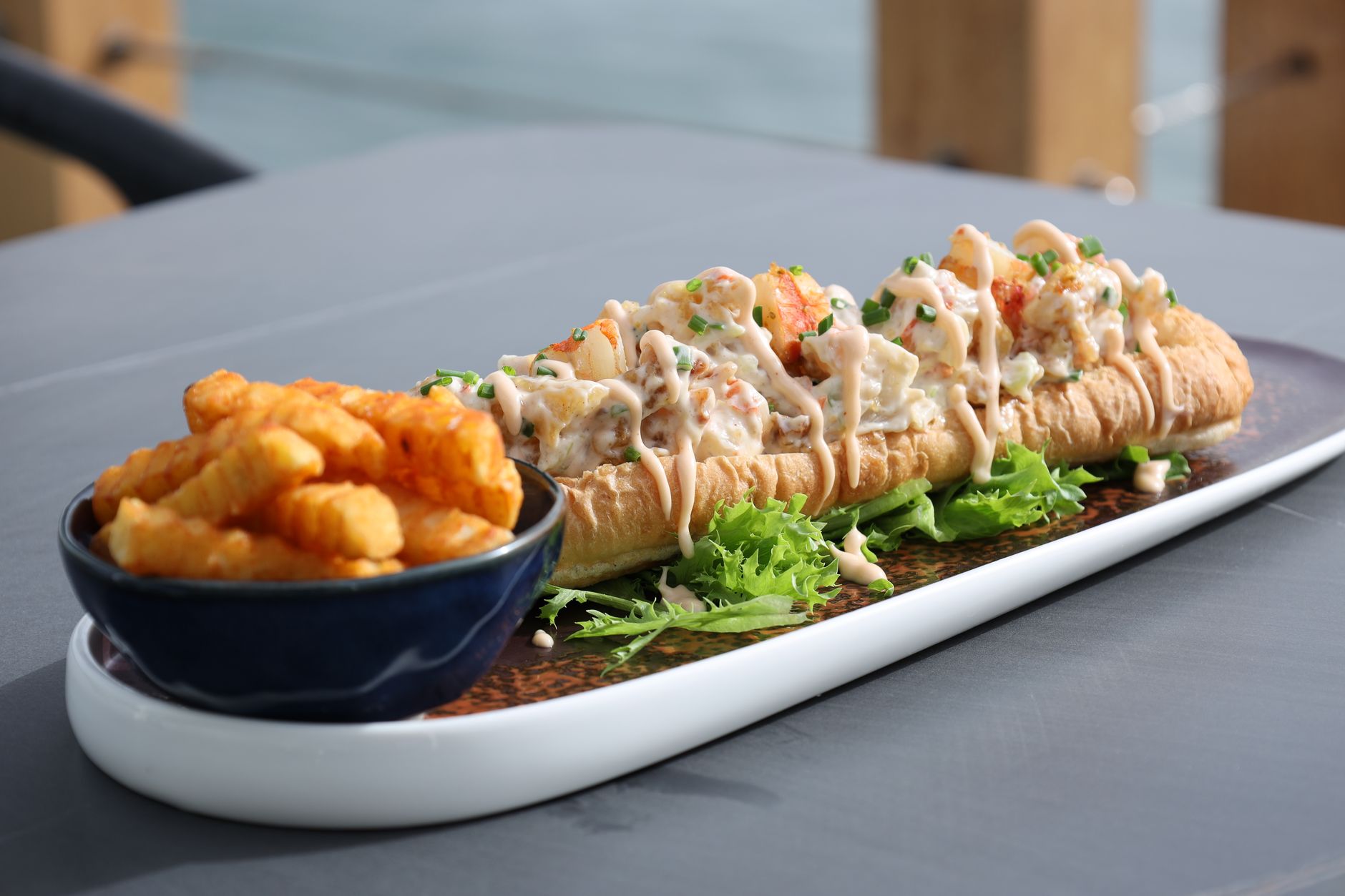
A lobster roll is a delightful seafood sandwich that features tender chunks of lobster meat, typically tossed with mayonnaise and served in a buttered, toasted roll. This classic dish hails from the coastal regions of the United States, particularly New England, where fresh lobster is plentiful and highly valued.
The combination of sweet, succulent lobster and a soft, lightly crispy roll makes the lobster roll a beloved treat for seafood lovers. Whether you’re enjoying it at a seaside shack or preparing it at home, understanding the nuances of a lobster roll can elevate your enjoyment and cooking experience.
What Is a Lobster Roll?
A lobster roll is essentially a sandwich consisting of lobster meat served in a sliced bun. The primary ingredients generally include fresh lobster, mayonnaise, a touch of lemon juice, and sometimes celery or scallions for added texture and flavor. It is typically served chilled, featuring a perfect balance of creamy, savory, and sweet flavors.
Ingredients in a Lobster Roll
The ingredients for a traditional lobster roll are relatively simple, making it essential to focus on quality. Here are the key components:
- Lobster meat: Fresh, cooked lobster is the star ingredient. You can also use frozen or pre-cooked lobster, but fresh is preferable for taste.
- Mayonnaise: Provides creaminess and helps to bind the lobster meat together.
- Lemon juice: A splash adds brightness and enhances the overall flavor.
- Celery: Chopped celery is sometimes added for crunch and freshness.
- Scallions or chives: These may be used to introduce a mild onion flavor.
- Hot dog bun or New England-style roll: The bread should be soft yet sturdy enough to hold the filling.
- Butter: Melted butter is brushed on the bun before toasting, adding richness and flavor.
- Salt and pepper: To taste; these basic seasonings enhance the overall flavor profile.
Taste and Texture
The lobster roll is characterized by a unique balance of tastes and textures. The lobster meat itself is mildly sweet, tender, and slightly briny, representing the essence of the sea. When mixed with mayonnaise, the resulting texture is creamy but not overwhelming.
The addition of lemon juice brightens the dish, while chopped celery adds a satisfying crunch that contrasts with the soft lobster. Finally, the toasted bun complements the filling perfectly, adding warmth and a bit of crispness, ensuring each bite is a harmonious blend of flavors and textures.
The Culinary Uses of a Lobster Roll
The lobster roll is not only delicious but also versatile. It can be used in various culinary contexts, including:
Main Course
Often served as a standalone main dish, the lobster roll is hearty enough for a satisfying lunch or dinner. Pair it with sides like potato chips, coleslaw, or a simple green salad for a complete meal.
Party Appetizer
Cut into smaller portions, lobster rolls can be served as an elegant appetizer at parties or gatherings. Mini lobster rolls provide a gourmet touch to any menu and can easily impress guests.
Recipe Variations
Understand that there are numerous regional takes on the classic lobster roll. Some variations may include:
- Connecticut-style: This version features warm lobster meat buttered and served in a roll, instead of chilled mayonnaise.
- Maine-style: The traditional cold lobster salad served with mayonnaise, often mixed with a touch of celery, scallions, and lemon.
Preparing a Lobster Roll: Step-by-Step
Knowing how to prepare a lobster roll at home can be both enjoyable and rewarding. Below is a step-by-step guide to create this classic dish:
What You’ll Need
- 2 cups fresh lobster meat, cooked and chopped
- 1/4 cup mayonnaise
- 1 tablespoon lemon juice
- 1/4 cup celery, finely chopped (optional)
- 2 tablespoons scallions or chives, finely chopped (optional)
- Salt and pepper to taste
- 4 New England-style rolls or hot dog buns
- 4 tablespoons unsalted butter, melted
Preparation Steps
- In a medium bowl, combine the chopped lobster meat, mayonnaise, lemon juice, celery, and scallions. Mix gently until all ingredients are incorporated.
- Season with salt and pepper to taste. Optionally, chill the filling in the refrigerator for about 30 minutes if you prefer a colder lobster roll.
- While the filling chills, prepare the rolls. Preheat a skillet or griddle over medium heat.
- Split each roll and brush the insides with melted butter. Toast the rolls in the hot skillet until golden brown.
- Once the rolls are toasted, remove them from the skillet and fill them generously with the lobster mixture.
- Serve immediately, garnished with additional scallions or a wedge of lemon if desired.
Common Mistakes to Avoid
When preparing lobster rolls, there are a few pitfalls to watch out for:
- Overcooking the Lobster: Lobster meat should be cooked just until opaque. Overcooking can make it tough and rubbery.
- Using Low-Quality Ingredients: Since the dish is simple, the quality of the lobster and the mayonnaise significantly impacts flavor.
- Skipping the Toasting Step: Toasting the buns adds essential flavor and texture. Don’t skip this crucial step!
Make-Ahead Tips
If you’re planning a gathering, you can prepare components of the lobster roll in advance:
- The lobster filling can be prepared a few hours ahead of time and stored in the refrigerator. Combine it with the buns right before serving to prevent sogginess.
- Toasting the buns should be done just before you serve to ensure they remain crispy.
Storage and Reheating Guidance
If you have leftover lobster meat from your rolls, store it properly to maintain freshness:
- Store leftover lobster meat in an airtight container in the refrigerator for up to 2 days.
- Do not freeze mayonnaise-based lobster filling as it may separate upon thawing. Instead, freeze plain lobster meat if needed, and combine it with fresh ingredients later.
- Reheat lobster in a gentle manner. Use a steamer basket or a low heat in a skillet to warm the meat without overcooking.
Variations and Substitutions
While the classic lobster roll formulation is delicious, consider these variations or substitutions to suit your preferences or dietary needs:
- Other Seafood: If lobster is not available, consider using shrimp, crab, or even a combination of seafood for a seafood roll.
- Vegan Option: Substitute lobster with diced jackfruit or a plant-based seafood alternative, using vegan mayonnaise instead.
- Seasoning Variations: Add spices like Old Bay seasoning, dill, or smoked paprika for additional flavor.
Serving Suggestions
A lobster roll can shine as the centerpiece of a casual meal or a fancy gathering. Here are some ideas for sides and drinks that pair well with lobster rolls:
- Serve with classic potato chips or French fries for a casual meal.
- Accompany with coleslaw for a refreshing crunch.
- A light, crisp salad of mixed greens with a vinaigrette balances the richness of the lobster.
- Pair with a chilled white wine, such as a Sauvignon Blanc or a light beer for a perfect meal experience.
Where to Find the Best Lobster Rolls
If you prefer to enjoy a lobster roll at a restaurant, look for establishments that focus on fresh seafood. Many coastal towns boast fantastic seafood shacks and fine dining options that serve epic lobster rolls. When evaluating a restaurant, consider:
- Do they use fresh, locally sourced lobster?
- What type of roll do they use and is it toasted?
- Are there unique sauces or preparations offered that provide a different take on the classic?
Recommendations for local diners often revolve around places known for seafood. Many lobster rolls can be found in Maine, where you’ll discover local favorites. However, they are popular across many regions, especially in the Northeastern United States.
The Cultural Significance of the Lobster Roll
The lobster roll represents more than just a dish; it embodies a cultural phenomenon particularly cherished in New England. Beyond its delicious taste, the lobster roll showcases the region’s connection to the sea, seasonal ingredients, and craft in seafood preparation.
Understanding this cultural aspect can enhance your appreciation of the lobster roll, especially when enjoying it in a waterfront setting alongside friends and family.
Conclusion
The lobster roll is a classic seafood dish that captures the essence of coastal cuisine. With a few simple ingredients, it transforms into a delightful treat, whether you enjoy it at a restaurant or create it at home. Exploring the variations, ingredients, and culinary uses of the lobster roll can deepen your enjoyment and understanding of this beloved sandwich. Try making your own lobster rolls today, and savor a slice of New England’s culinary heritage.
For more delicious seafood recipes, check out our guide on Trader Joe’s Lobster Pasta Recipe and learn how to prepare a sumptuous Broiled Lobster Tail.