
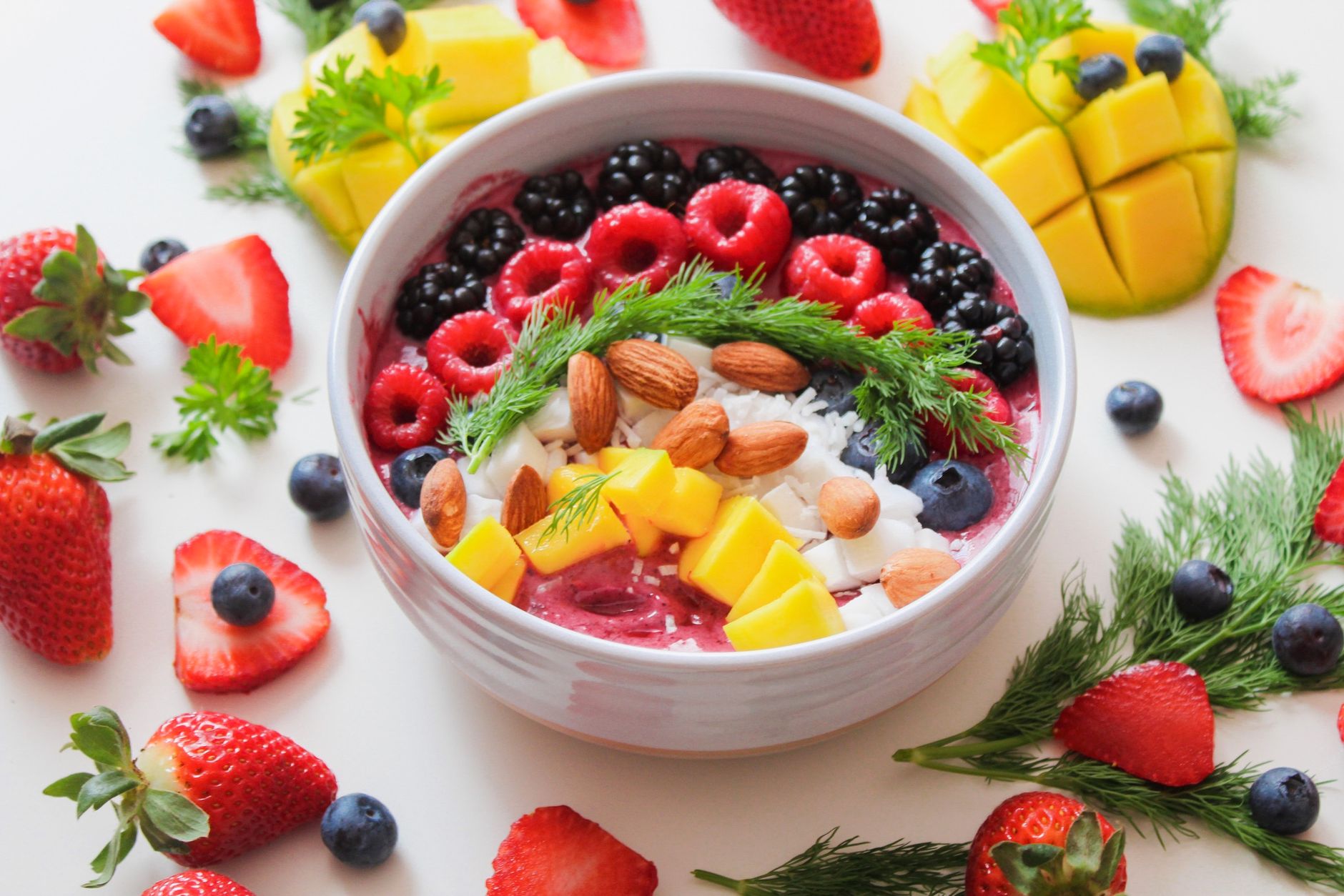
Electrolytes are vital minerals that help regulate various functions in the body, including hydration, nerve impulses, and muscle contractions. Consuming foods rich in electrolytes can help maintain balance, especially during intense physical activity, hot weather, or when recovering from illness. In this guide, we will explore numerous foods that are high in electrolytes and provide their respective amounts by serving size.
Understanding the types of electrolytes is crucial. Key electrolytes include sodium, potassium, calcium, magnesium, chloride, bicarbonate, and phosphate. This article will focus on foods that contain these vital minerals, helping you make informed dietary choices to support your health.
What Foods Have Electrolytes?
Many common foods contain electrolytes. Below is a list of foods rich in various electrolytes, along with their approximate amounts per serving size.
Potassium-Rich Foods
Potassium is an essential electrolyte crucial for heart function and muscle contractions. Here are some potassium-rich foods:
- Banana: One medium banana (about 118 grams) contains approximately 422 mg of potassium.
- Avocado: One medium avocado (about 150 grams) contains about 975 mg of potassium.
- Spinach: One cup of cooked spinach (about 180 grams) offers roughly 839 mg of potassium.
- Sweet Potato: One medium sweet potato (about 114 grams) provides around 541 mg of potassium.
- White Beans: One cup of canned white beans (about 252 grams) delivers approximately 1,189 mg of potassium.
Sodium-Rich Foods
Sodium helps regulate fluid balance and is important for nerve function. Here are some sodium-rich foods:
- Celery: One cup of raw chopped celery (about 101 grams) has about 104 mg of sodium.
- Beets: One cup of boiled beets (about 170 grams) contains around 64 mg of sodium.
- Olives: Ten medium olives (about 30 grams) contain roughly 735 mg of sodium.
- Pickles: One medium pickle (about 35 grams) has approximately 393 mg of sodium.
- Processed Foods: Many canned and packaged foods, like soups or sauces, can vary widely but often contain high levels of sodium.
Calcium-Rich Foods
Calcium plays a critical role in bone health and muscle function. Here are some excellent calcium sources:
- Yogurt: One cup of plain yogurt (about 245 grams) contains approximately 300 mg of calcium.
- Cheddar Cheese: One ounce of cheddar cheese (about 28 grams) provides roughly 200 mg of calcium.
- Tofu: Half a cup of firm tofu (about 126 grams), prepared with calcium sulfate, contains around 253 mg of calcium.
- Broccoli: One cup of boiled broccoli (about 156 grams) can provide about 62 mg of calcium.
- Fortified Plant Milks: One cup of fortified almond or soy milk (about 240 ml) typically has about 300 mg of calcium.
Magnesium-Rich Foods
Magnesium supports muscle and nerve functions and energy production. Consider these magnesium-rich foods:
- Spinach: In addition to potassium, one cup of cooked spinach (about 180 grams) also contains approximately 157 mg of magnesium.
- Nuts: One ounce of almonds (about 28 grams) offers about 76 mg of magnesium.
- Black Beans: One cup of black beans (about 172 grams) provides around 60 mg of magnesium.
- Avocado: Along with potassium, one medium avocado contains about 58 mg of magnesium.
- Dark Chocolate: One ounce of dark chocolate (70-85% cacao) contains roughly 64 mg of magnesium.
Chloride-Rich Foods
Chloride helps maintain proper balance of fluids in and out of cells. Foods rich in chloride include:
- Tomatoes: One medium tomato (about 123 grams) contains about 5 mg of chloride.
- Seaweed: One cup of raw seaweed (about 15 grams) may provide about 167 mg of chloride.
- Celery: Also a source of sodium, celery provides around 99 mg of chloride per cup.
- Olives: Ten olives also contribute to chloride intake with about 5 mg.
Bicarbonate-Rich Foods
Bicarbonate is typically produced in the body but is also found in certain foods. While there aren’t many foods specifically high in bicarbonate, consuming fruits and vegetables helps the body maintain this electrolyte. Foods that promote bicarbonate levels include:
- Baking Soda: Often used in cooking, it delivers bicarbonate directly.
- Fruits: Most fruits, like apples and bananas, help by encouraging bicarbonate production in the body.
Phosphate-Rich Foods
Phosphate is essential for healthy bones and teeth. Here are some phosphate-rich options:
- Meat: Three ounces of chicken breast (about 85 grams) contains approximately 250 mg of phosphate.
- Fish: Three ounces of salmon (about 85 grams) provides around 350 mg of phosphate.
- Dairy Products: One cup of milk (about 240 ml) delivers roughly 240 mg of phosphate.
- Nuts: One ounce of peanuts (about 28 grams) offers approximately 160 mg of phosphate.
Incorporating Electrolyte-Rich Foods into Your Diet
Integrating electrolyte-rich foods into your daily meals doesn’t have to be complicated. Here are some practical tips for meal planning and preparation:
Breakfast Ideas
- Add sliced banana and almonds to your morning yogurt for a potassium and magnesium boost.
- Prepare an avocado toast topped with cherry tomatoes for a fiber-rich, electrolyte-filled breakfast.
- Try a smoothie with spinach, banana, and fortified almond milk to kickstart your day.
Lunch and Dinner Suggestions
- Incorporate a mixed greens salad with spinach, avocado, and chickpeas to enhance potassium, magnesium, and fiber intake.
- Prepare a quinoa bowl topped with black beans, diced tomatoes, and diced avocado to maximize nutrient content.
- Make a hearty vegetable soup featuring celery, spinach, and diced beets packed with various electrolytes.
Snacks and Hydration
- Snack on olives or pickles to effortlessly add sodium and electrolytes to your diet.
- Create a homemade electrolyte drink with water, natural fruit juice (like orange or lemon), and a pinch of salt.
- Enjoy a handful of trail mix with nuts and seeds to provide a mix of magnesium and potassium.
Electrolyte Supplements and Drinks
In addition to whole foods, electrolyte supplements and drinks can help replenish lost electrolytes, especially for athletes or those engaging in intense physical activity. Here are some considerations:
Electrolyte Powder and Tablets
Electrolyte powders and tablets can be easily mixed with water to create a hydrating drink. They often contain a mix of sodium, potassium, magnesium, and calcium. Be sure to read labels carefully as some products may contain added sugars or artificial ingredients.
Sports Drinks
Many commercial sports drinks are formulated specifically to replace lost electrolytes during exercise. Keep in mind they often contain sugar, so consider moderation. For those seeking a lower-calorie option, look for zero-calorie versions or make your own with healthy, natural ingredients.
Homemade Electrolyte Drinks
Creating your own electrolyte drink can be both beneficial and economical. Here’s a simple recipe:
Homemade Electrolyte Drink
- 2 cups of water
- 1/2 cup of natural fruit juice (like lemon, lime, or orange)
- 1/4 teaspoon of salt
- 1 tablespoon of honey or maple syrup (optional)
Combine all ingredients in a pitcher, stir well, and enjoy chilled or at room temperature.
Electrolyte Imbalance: Symptoms and Management
Electrolyte imbalances can occur due to various factors, including dehydration, poor diet, and certain medical conditions. Awareness of symptoms is crucial:
Common Symptoms of Electrolyte Imbalance
Some signs that you may have an electrolyte imbalance include:
- Muscle cramps or spasms
- Fatigue or weakness
- Nausea or vomiting
- Headaches
- Irregular heartbeat
Managing Electrolyte Imbalance
If you suspect you have an electrolyte imbalance, consult a healthcare professional. Treatment may involve diet adjustments, hydration, or in some cases, medication. Maintaining a balanced diet that incorporates electrolyte-rich foods can support your body’s needs.
Conclusion
Integrating foods high in electrolytes into your diet is essential for maintaining optimal health. By choosing fruits, vegetables, nuts, seeds, dairy, and whole grains, you can easily meet your electrolyte needs. Remember to stay hydrated, especially during physical activity or hot weather.
To further enhance your diet, consider exploring other recipes and food guides available on our site, such as Chia Pudding with Coconut Milk and Foods that Have Probiotics.