
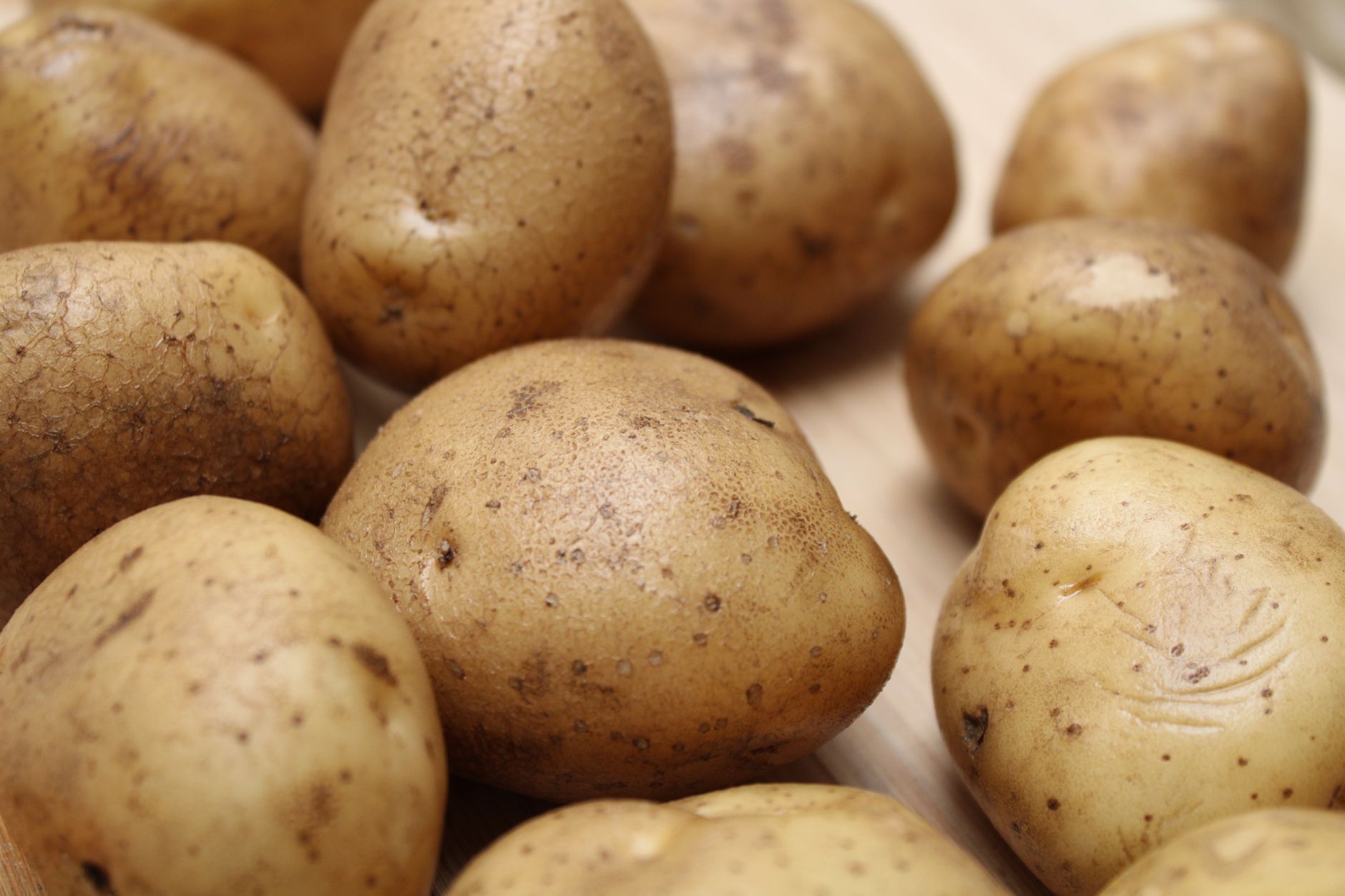
Many people often wonder about the classification of potatoes in the realm of fruits and vegetables. This curiosity arises from the unique qualities that potatoes possess. In this article, we will explore the scientific classification of potatoes, their nutritional value, culinary uses, and how they fit into various food groups.
Understanding whether a potato is a fruit involves looking at its botanical classification and how it is utilized in cooking. The potato is an incredibly versatile ingredient that can be prepared through various methods, making it a staple in cuisines worldwide.
Is a Potato a Fruit?
Botanically, a potato is not a fruit; it is classified as a tuber, which is a type of root vegetable. Fruits are defined as the matured ovary of a flowering plant, typically containing seeds, while potatoes do not fit this definition. Potatoes belong to the Nightshade family, which also includes tomatoes, eggplants, and bell peppers.
Botanical Classification of Potatoes
The potato (Solanum tuberosum) is a subterranean tuber derived from the flowery parts of the plant. While the flowers of the potato can produce fruits containing seeds, these are rarely seen in cultivated varieties. Instead, the plant is propagated through its tubers, which store energy in the form of starch.
- Family: Solanaceae
- Genus: Solanum
- Species: Solanum tuberosum
Understanding Food Groups
Potatoes are primarily categorized in the vegetable group, but their nutritional profile and culinary applications can sometimes lead to confusion. They provide essential nutrients and are often considered a starchy vegetable due to their high carbohydrate content.
Vegetable Group
In the context of dietary guidelines, potatoes are included in the vegetable group. They are a great source of vitamins and minerals, especially when consumed with the skin. Potatoes offer potassium, vitamin C, and dietary fiber, which can positively contribute to a balanced diet.
Fruits vs. Starchy Vegetables
Fruits are typically sweet or tart and consumed raw, whereas starchy vegetables, like potatoes, are more neutral in flavor and often cooked. While starchy vegetables are vital for their carbohydrate content, fruits provide natural sugars, fiber, and a variety of vitamins.
Nutritional Profile of Potatoes
Potatoes are often misunderstood when discussing their health benefits. They can be a healthy addition to your diet when prepared in a nutritious manner. Here’s a glimpse of the typical nutritional profile of a medium-sized potato with skin:
| Nutrient | Amount |
|---|---|
| Calories | 163 |
| Carbohydrates | 37g |
| Protein | 4g |
| Fat | 0.2g |
| Fiber | 4g |
| Vitamin C | 28% of Daily Value |
| Potassium | 620mg (13% of Daily Value) |
The fiber content helps with digestion, while potassium can aid in maintaining healthy muscle and nerve functions. The presence of vitamin C contributes to the immune system.
Culinary Uses of Potatoes
Potatoes are one of the most versatile ingredients in the kitchen. They can be prepared in countless ways, each bringing out different flavors and textures. Here we explore some common methods of preparation.
Boiling
Boiling potatoes is one of the simplest cooking methods. It’s often used for mashed potatoes or potato salads. To boil potatoes, follow these steps:
- Wash and peel (if desired) the potatoes, cutting them into uniform pieces.
- Place potatoes in a pot and cover with cold water.
- Add a pinch of salt and bring to a boil over medium-high heat.
- Reduce to a simmer and cook until fork-tender, about 10-15 minutes.
- Drain and serve as desired.
Baking
Baking potatoes provides a unique flavor and texture. Baked potatoes can be served as a side dish or the main ingredient for a meal. Here’s how to bake potatoes:
- Preheat the oven to 425°F (220°C).
- Scrub the potatoes clean and prick the skin with a fork.
- Coat lightly with olive oil and sprinkle with salt.
- Place the potatoes directly on the oven rack and bake for 45-60 minutes, until tender.
- Serve with toppings of your choice.
Mashing
Mashed potatoes are a classic comfort food. To make mashed potatoes, you can follow these steps:
- Boil potatoes as described above until tender.
- Drain and return to the pot.
- Add butter, milk, salt, and pepper to taste.
- Mash with a potato masher until smooth and creamy.
- Serve warm as a side dish.
Frying
Fried potatoes can take many forms, including French fries or potato wedges. When frying, consider the following:
- Cut potatoes into uniform shapes and soak in water for 30 minutes to remove excess starch.
- Drain and dry the potatoes thoroughly.
- Heat oil in a deep fryer or heavy pot to 350°F (175°C).
- Add potatoes in batches, frying until golden brown, about 5-7 minutes.
- Remove and drain on paper towels, seasoning immediately with salt.
Recipe Ideas Using Potatoes
With such versatility, here are a few recipe ideas that highlight the unique qualities of potatoes:
Classic Potato Salad
- 3 lbs potatoes, peeled and diced
- 1 cup mayonnaise
- 1 tablespoon mustard
- 1 tablespoon apple cider vinegar
- 1/2 cup celery, chopped
- 1/2 cup onion, chopped
- Salt and pepper to taste
Boil potatoes until tender, then mix all ingredients in a bowl, and keep refrigerated until serving.
Baked Potato with Toppings
- 4 medium potatoes
- 1 cup sour cream
- 1 cup cheese, shredded
- 1/2 cup green onions, sliced
Bake potatoes as described earlier, then cut open and fill with your choice of toppings.
Common Mistakes When Cooking Potatoes
When preparing potatoes, a few common pitfalls can affect the dish:
- Overcooking or undercooking: Ensure you adjust cooking times based on size and type of the potato.
- Not soaking before frying: This helps achieve better crispiness by reducing starch.
- Using too much water for boiling: Ensure the pot is not overfilled to allow even cooking.
- Neglecting to season: Salt enhances the flavor significantly, so season at every stage.
Storage and Reheating Potatoes
Proper storage can extend the life of your potatoes. Here are some tips:
- Store potatoes in a cool, dark, well-ventilated area, ideally between 45°F and 50°F (7°C – 10°C).
- Avoid placing potatoes in the refrigerator, as this can adversely affect flavor and texture.
- Cooked potatoes can be stored in the refrigerator for up to 3-5 days in an airtight container.
- Reheat cooked potatoes in the microwave, oven, or stovetop, but avoid overheating to prevent drying out.
Potatoes in Different Cuisines
Potatoes are an integral part of many cuisines worldwide. Here’s how they are used in various culinary traditions:
Indian Cuisine
In Indian cuisine, potatoes are widely used in curries, samosas, and aloo parathas. The spices complement the natural earthy flavor of the potato, making it a popular ingredient.
Italian Cuisine
Italian dishes like gnocchi and potato risotto incorporate potatoes into rich and flavorful meals, showcasing their versatility.
American Cuisine
Classic American favorites, such as mashed potatoes and French fries, highlight the starchy and comforting aspects of this ingredient.
Peruvian Cuisine
Peru is known for its vast variety of potatoes, often incorporating them into stews and traditional dishes like causa.
Potatoes in Popular Diets
The role of potatoes varies among popular dietary preferences and restrictions:
Low-Carb Diets
Potatoes are often limited in low-carb diets due to their high carbohydrate content. If you’re looking for alternatives, consider cauliflower or zucchini.
Vegetarian and Vegan Diets
Potatoes serve as an excellent staple for those following vegetarian and vegan diets, providing vital nutrients and serving as a base for many dishes.
Gluten-Free Diets
Potatoes are naturally gluten-free and suitable for anyone avoiding gluten, making them a versatile base for various dishes.
Potato Variations and Substitutions
Different types of potatoes can offer varying textures and flavors:
- Russet Potatoes: Ideal for baking and frying due to their starchy content.
- Yukon Gold: Great for mashing with a naturally buttery flavor.
- Red Potatoes: Excellent for salads and roasting as they hold their shape.
- Sweet Potatoes: A nutritious alternative with a sweeter taste and higher fiber content.
When substituting one type for another, be mindful of the differences in moisture and starch levels, as this can affect the outcome of your dish.
Conclusion
While a potato is not a fruit, understanding its classification, nutritional benefits, and culinary versatility enriches our appreciation for this common ingredient. Whether mashed, baked, boiled, or fried, potatoes play a significant role in countless recipes across different cuisines. Next time you’re in the kitchen, consider how to best utilize this tuber in your meals.
For more insights about potatoes, try our recipes for a white sweet potato dish or explore our purple sweet potato options for a creative twist!