
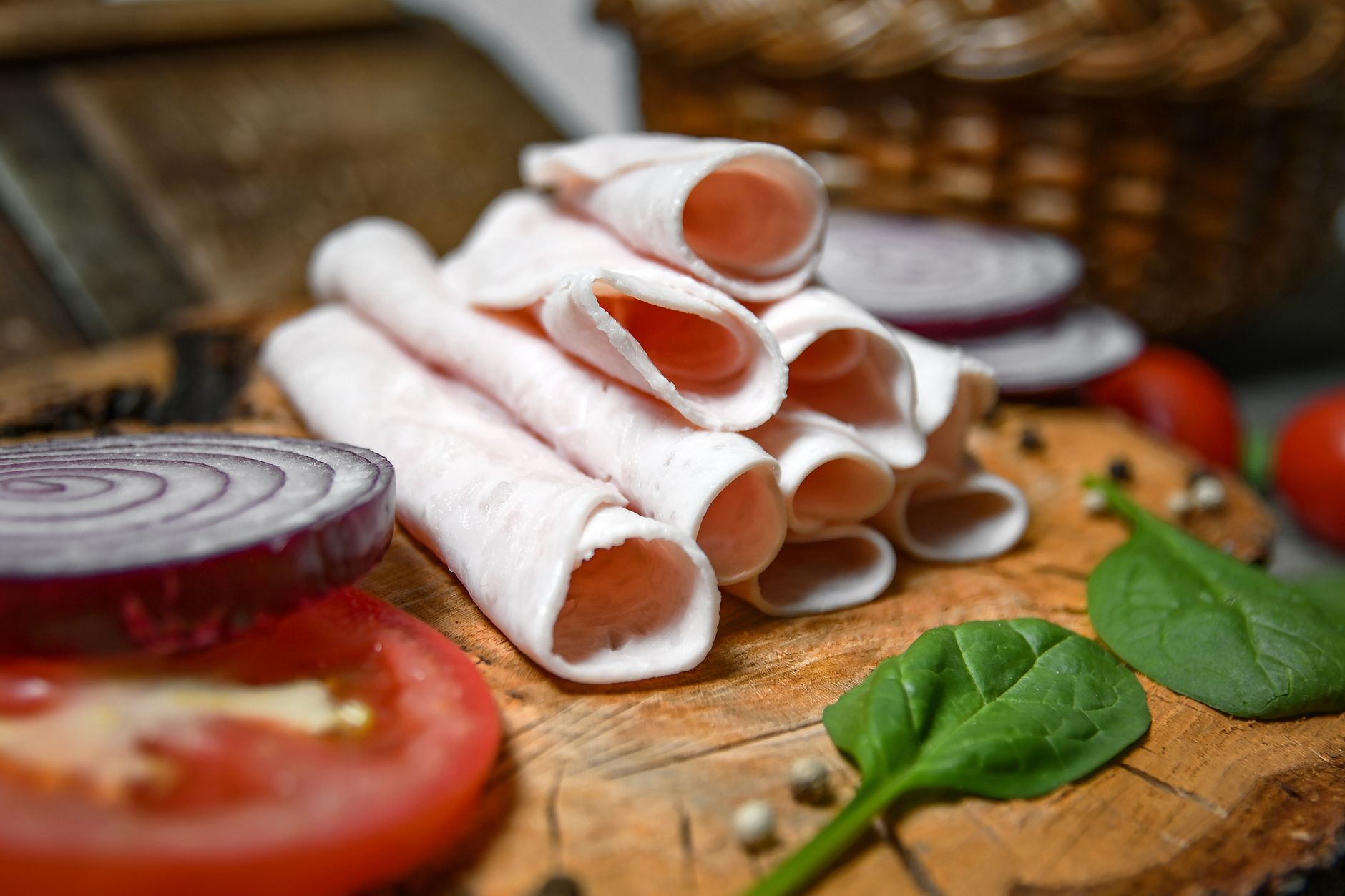
Ham is a versatile and delicious meat that can enhance a variety of dishes, from holiday feasts to everyday meals. Understanding how long ham stays good in the fridge is essential for food safety and to maximize its quality. This guide delves into the storage methods, shelf life, and safety tips related to ham.
Whether you have a leftover ham from a festive occasion or have purchased deli ham for quick sandwiches, knowing how to properly store and assess its freshness can prevent waste and protect your health. Let’s explore this topic in depth to help you make the most of your ham.
How Long Is Ham Good in the Fridge?
The length of time ham remains safe and palatable in the refrigerator depends on the type of ham and how it is stored. Generally, properly refrigerated ham is good for:
- Unopened, commercially packaged ham: 1 to 2 weeks past the “sell by” date.
- Opened, commercially packaged ham: 3 to 5 days.
- Cooked ham: 3 to 4 days.
- Deli ham: 3 to 5 days after opening.
- Country ham: a long shelf life, often several months, when stored properly.
Types of Ham and Their Storage
1. Uncooked Ham
Uncooked ham can be divided into two categories: fresh ham and cured ham. Fresh ham is raw and needs to be cooked thoroughly before consumption. Cured ham is treated with salt and other preservatives and can often last longer.
2. Cooked Ham
This category includes both whole cooked hams and slices from a previously cooked ham. Their shelf life in the fridge varies based on whether they are in their original packaging or have been opened.
3. Deli Ham
Deli ham is typically sliced, ready-to-eat ham that can come from various types of pork, such as Black Forest or honey-baked ham. Once opened, deli ham should be consumed relatively quickly for the best flavor and texture.
4. Cured Country Ham
Country ham is known for its distinctive flavor due to the curing process, which often includes salt and aging. When stored properly, country ham can last a long time; check for specific storage instructions from the manufacturer.
Storage Tips for Ham
The way you store ham significantly impacts its longevity. Here are some effective storage tips for maintaining your ham’s quality and safety:
- Wrap ham tightly in plastic wrap or aluminum foil to minimize exposure to air, which can lead to spoilage.
- Store ham in a refrigerator set at or below 40°F (4°C).
- Keep ham in a designated area of the fridge that maintains consistent cold temperatures, rather than in the door where temperatures fluctuate.
- If you have a large amount of ham, consider dividing it into smaller portions for easier handling and quicker cooling.
How to Identify Spoilage in Ham
Even with proper storage, it’s essential to be vigilant about signs of spoilage. Here’s what to watch for:
- Smell: If the ham emits an off odor or sour scent, it’s best to discard it.
- Color: Look for discoloration or a grey, dull appearance, which may indicate it has started to spoil.
- Texture: If the ham feels slimy or sticky to the touch, it should not be consumed.
- Mold: Any mold growth on ham is a clear sign it should be thrown out.
Can You Freeze Ham?
If you find yourself with excessive ham that you cannot consume within its recommended time frame, freezing is an excellent option. Here are some guidelines:
- Wrap the ham securely in heavy-duty aluminum foil, plastic wrap, or freezer paper.
- Label the packaging with the date to keep track of how long it has been in the freezer.
- Cooked ham can typically be frozen for up to 6 to 12 months without significant loss of quality.
- Uncooked ham can also be frozen but may not retain its texture as well after thawing.
Thawing Ham Safely
When ready to use frozen ham, thaw it safely to prevent bacterial growth. Here are the best methods to thaw ham:
- Refrigerator Thawing: This is the safest method. Place the ham in the refrigerator for several days before cooking or serving, as it requires approximately 24 hours for every 5 pounds to thaw.
- Cold Water Thawing: Submerge the ham in cold water, changing the water every 30 minutes. This method is faster, but be sure to cook the ham immediately after thawing.
- Microwave Thawing: If using this method, follow the manufacturer’s instructions for your microwave. Be cautious, as parts of the ham may begin to cook in the microwave.
Using Leftover Ham
Leftover ham is a great way to create new meals. Here are some ideas for utilizing cooked ham leftovers:
- In soups and stews: Dice ham for lentil soup or split pea soup.
- As a pizza topping: Add sliced ham to your favorite pizza for a savory twist.
- In sandwiches and wraps: Layer ham with cheese and vegetables in wraps or between slices of bread.
- In egg dishes: Incorporate diced ham into omelets, quiches, or egg casseroles for extra flavor.
Common Mistakes When Handling Ham
To ensure the safety and quality of your ham, avoid these common pitfalls:
- Not checking the temperature of your refrigerator: Make sure it is consistently at or below 40°F (4°C).
- Leaving ham out at room temperature for extended periods: Cooked or uncooked ham should not be left out for more than two hours.
- Using ham after it has been stored beyond its recommended timeframe: Always check the duration and signs of spoilage.
Safety Guidelines for Cooking Ham
When preparing ham, it is crucial to follow safety measures:
- Cook ham to a minimum internal temperature of 145°F (63°C) if it is pre-cooked, allowing the meat to rest for at least 3 minutes before slicing.
- For leftover or reheat purposes, ensure ham reaches an internal temperature of 165°F (74°C).
- Use a food thermometer to check temperatures accurately.
Conclusion
Understanding how long ham is good in the fridge is essential for ensuring both safety and enjoyment. By practicing proper storage techniques, recognizing signs of spoilage, and learning how to repurpose leftovers, you can make the most of your ham and reduce food waste. Always remember that when in doubt, it is better to err on the side of caution and discard any ham that seems questionable.
For more information about food safety and storage, consider exploring our guides on how long ground beef is good for in the fridge and how long cottage cheese lasts after opening.