
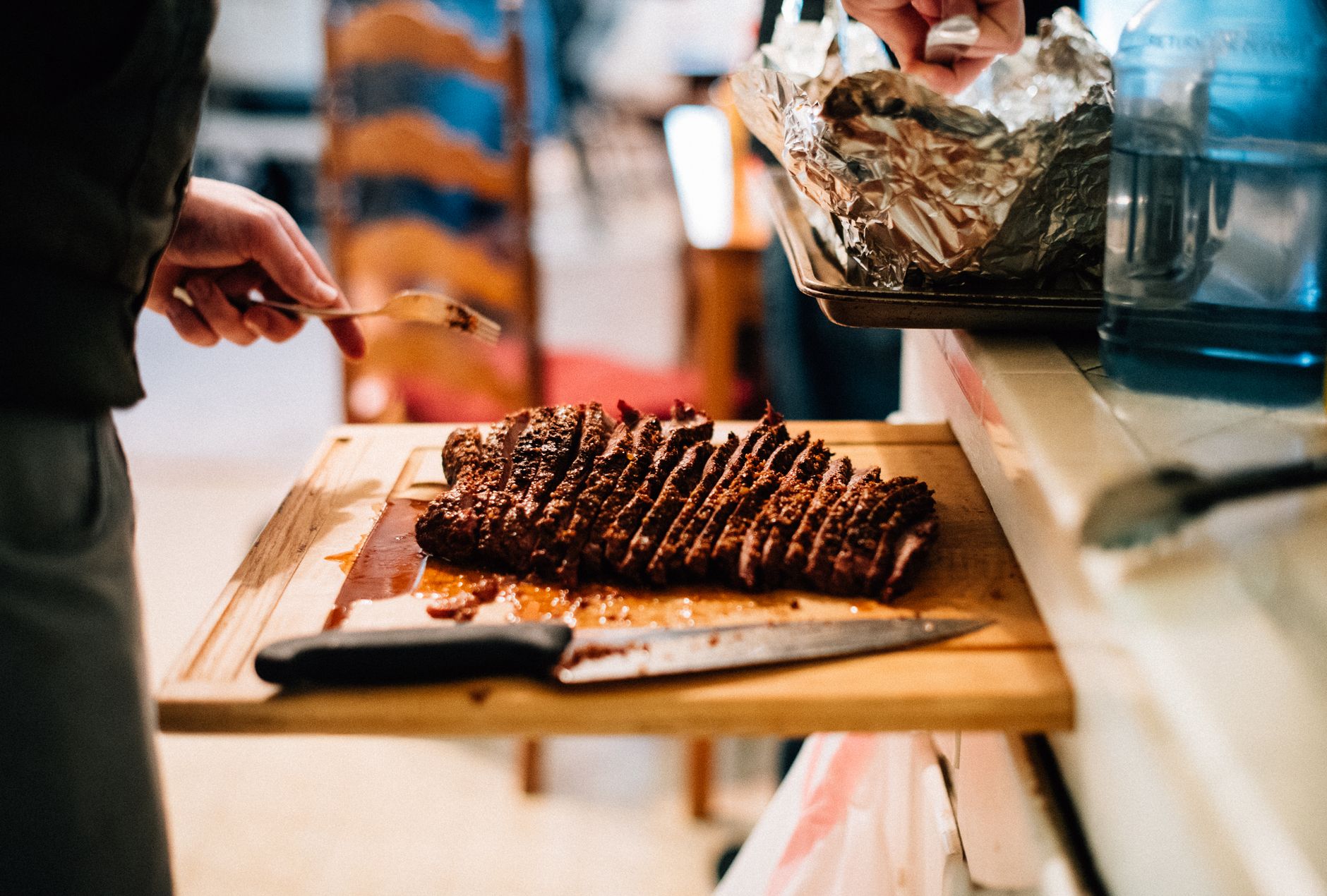
Brisket is a favorite cut of meat for many barbeque enthusiasts and home cooks. Its rich flavor and tender texture, when cooked correctly, make it a versatile choice for various dishes. Understanding what brisket is, its flavor profiles, cooking methods, and how to select the best cut can elevate your cooking and meal planning.
This article delves into the specifics of brisket, offering insights into the different types, flavors, and cooking uses. Whether you’re slow-cooking a classic barbeque brisket or experimenting with sandwich recipes, knowledge of this cuts’ characteristics will be invaluable.
What Kind of Meat Is Brisket?
Brisket is a cut of meat from the lower chest of a cow, specifically from the breast or lower pectoral area. Known for its rich flavor and tender texture when cooked properly, brisket is a popular choice for various cooking methods, including smoking, braising, and slow-cooking.
Types of Brisket
Brisket can be categorized into two main types: flat cut and point cut. Each has distinct characteristics that influence cooking methods and flavoring.
Flat Cut
The flat cut, also known as the first cut or brisket flat, is the leaner portion of the brisket. It has a rectangular shape and is often preferred for its uniform thickness, making it ideal for slicing. Flat cut brisket typically contains less marbling, which contributes to a leaner texture and a slightly drier mouthfeel when compared to the point cut.
Point Cut
The point cut, or second cut, is the thicker end of the brisket and is known for its higher fat content and marbling. This extra fat keeps the meat moist during cooking, resulting in a juicier and more flavorful finished product. The point cut is typically favored for recipes requiring shredding, such as brisket tacos or barbeque sandwiches.
Flavor Profile of Brisket
Brisket has a rich and hearty beef flavor, enhanced by its fat content and connective tissues. The cooking method greatly influences its taste and texture. When slow-cooked or smoked, brisket develops an array of flavors, aided by the Maillard reaction, which adds complexity through browning.
Common rubs and marinades can enhance the flavor, adding notes of spices, herbs, or even sweet elements depending on the recipe. When properly seasoned, brisket not only shines on its own but can be paired with various sauces, making it a delightful centerpiece for any meal.
Cooking Uses for Brisket
Brisket is versatile and can be prepared in numerous ways. Below are some popular cooking methods to consider:
Smoking
Smoking is a traditional method for cooking brisket, enhancing its natural flavors while contributing a unique smoky taste. Brisket typically takes several hours to smoke at low temperatures, allowing the fat to render and the connective tissues to break down, resulting in tender meat.
Braising
Braising involves cooking brisket slowly in a small amount of liquid, either on the stovetop or in the oven. This method is ideal for tougher cuts of meat, allowing flavors to meld and the meat to become tender without drying out. Braised brisket can be served with its sauce or gravy as a meal centerpiece.
Slow Cooking
Using a slow cooker is a convenient way to prepare brisket. It requires minimal active cooking time while allowing for great flavor development. Simply season the brisket, add any vegetables or sauces, set the cooker to low, and let it work its magic over several hours.
Stovetop Cooking
Brisket can also be cooked on the stovetop using a deep saucepan or Dutch oven. This method is particularly popular for creating a tender pot roast-style dish. After searing the meat, it’s cooked slowly in broth or stock, enabling flavors to infuse while keeping the brisket tender.
Selecting the Best Brisket
When shopping for brisket, consider the following factors to ensure you pick the best cut:
- Marbling: Look for briskets with good intramuscular fat, which creates flavor and tenderness. The point cut typically has better marbling than the flat cut.
- Size: A whole brisket can range from 8 to 20 pounds. Choose one that fits your needs or the number of guests you plan to serve.
- Freshness: Opt for brisket that is bright red with minimal brown discoloration. Check the sell-by date to ensure freshness.
- Bone-in vs. Boneless: While boneless brisket is easier to cook and slice, bone-in can add flavor and moisture during cooking.
Practical Cooking Techniques for Brisket
Once you have selected your brisket, understanding the fundamental cooking techniques will help you achieve the best results. Here are some tips for each method:
Smoking Tips
- Prepare the smoker: Preheat your smoker to 225°F (107°C) and choose wood chips that complement the beef, such as hickory or mesquite.
- Season: Apply a dry rub with salt, pepper, garlic powder, and paprika at least an hour before cooking.
- Smoke: Place the brisket in the smoker, fat side up, and maintain a steady temperature, allowing it to cook for about 1 to 1.5 hours per pound.
- Rest: Once the internal temperature reaches 195°F to 205°F, remove it and let it rest for at least 30 minutes before slicing.
Braising Tips
- Brown the brisket: In a large pot, heat oil over medium-high heat and sear the brisket on both sides to develop flavor.
- Add aromatics: Incorporate onions, garlic, and herbs for added depth.
- Pour in liquid: Add broth, wine, or even beer, ensuring the brisket is partially submerged.
- Cover and simmer: Cook on low heat for several hours until the brisket is tender, typically around 3-4 hours.
Slow Cooking Tips
- Prepare the meat: Season the brisket well and sear it in a skillet to lock in moisture.
- Add to the cooker: Place the brisket in the slow cooker, along with any vegetables and sauces.
- Cook on low: Set the cooker on low for 8-10 hours, or until you can easily shred the meat with a fork.
Common Mistakes When Cooking Brisket
Cooking brisket can be an art, and making a few mistakes along the way is common. Here are some common pitfalls to avoid:
- Rushing the cooking process: Brisket needs time to become tender. Avoid cooking it over high heat and ensure you allow sufficient cooking time.
- Not seasoning adequately: Brisket benefits from ample seasoning. Don’t be shy with salt and spices.
- Skipping the resting period: Always allow brisket to rest before slicing, as this helps retain moisture and flavor.
Serving Suggestions for Brisket
Brisket can be served and enjoyed in many delicious ways:
- Classic BBQ: Serve sliced brisket with barbecue sauce, coleslaw, and bread for sandwiches or to accompany sides like baked beans.
- Tacos: Shred leftover brisket and serve in corn tortillas with fresh cilantro, onions, and salsa.
- Poutine: Top fries with brisket gravy and cheese curds for a rich comfort dish.
- Stir-fry: Incorporate leftover brisket into stir-fried vegetables and noodles for a unique meal.
Storing and Reheating Brisket
Proper storage and reheating techniques can extend the life of your brisket while maintaining flavor and tenderness:
To store brisket, follow these guidelines:
- Cool: Allow brisket to cool to room temperature before storing.
- Wrap: Cover the brisket tightly in plastic wrap or aluminum foil to prevent air from drying it out. Store it in an airtight container.
- Refrigerate: Keep in the refrigerator for up to 3-4 days or freeze for up to 2-3 months.
When it comes time to reheat your brisket:
- Oven method: Preheat oven to 325°F (163°C). Wrap brisket in foil and heat until warmed through, about 20-30 minutes.
- Microwave method: Slice brisket and microwave in short intervals, ensuring it stays moist. Add a splash of broth if necessary.
Conclusion
Brisket is a delightful cut of meat boasting rich flavors and a multitude of cooking possibilities. Understanding the different types, flavor profiles, and preparation methods will enhance your cooking experience. Armed with this knowledge, you’re ready to create amazing dishes centered on this robust and versatile cut.
For more culinary exploration, consider checking out our meat sauce recipe or dive into a delicious manicotti recipe with meat.