
As the popularity of gluten-free diets continues to rise, many people are asking important questions about the grains and flours they consume. One common ingredient in various dishes is semolina, typically used in pasta and certain baked goods. But is semolina gluten-free? This article will explore what semolina is, its gluten content, and how to read labels and choose the right alternatives for your dietary needs.
Understanding your ingredients is key to planning meals that fit your dietary preferences. This guide will provide detailed insights into semolina, gluten, and practical advice for ingredient substitutions.
Is Semolina Gluten Free?
Semolina is not gluten-free; it is made from durum wheat, which contains gluten. Gluten is a protein found in wheat and other related grains, contributing to the elasticity and chewiness of foods like pasta and bread. For individuals with celiac disease or gluten intolerance, consuming semolina is not safe.
What is Semolina?
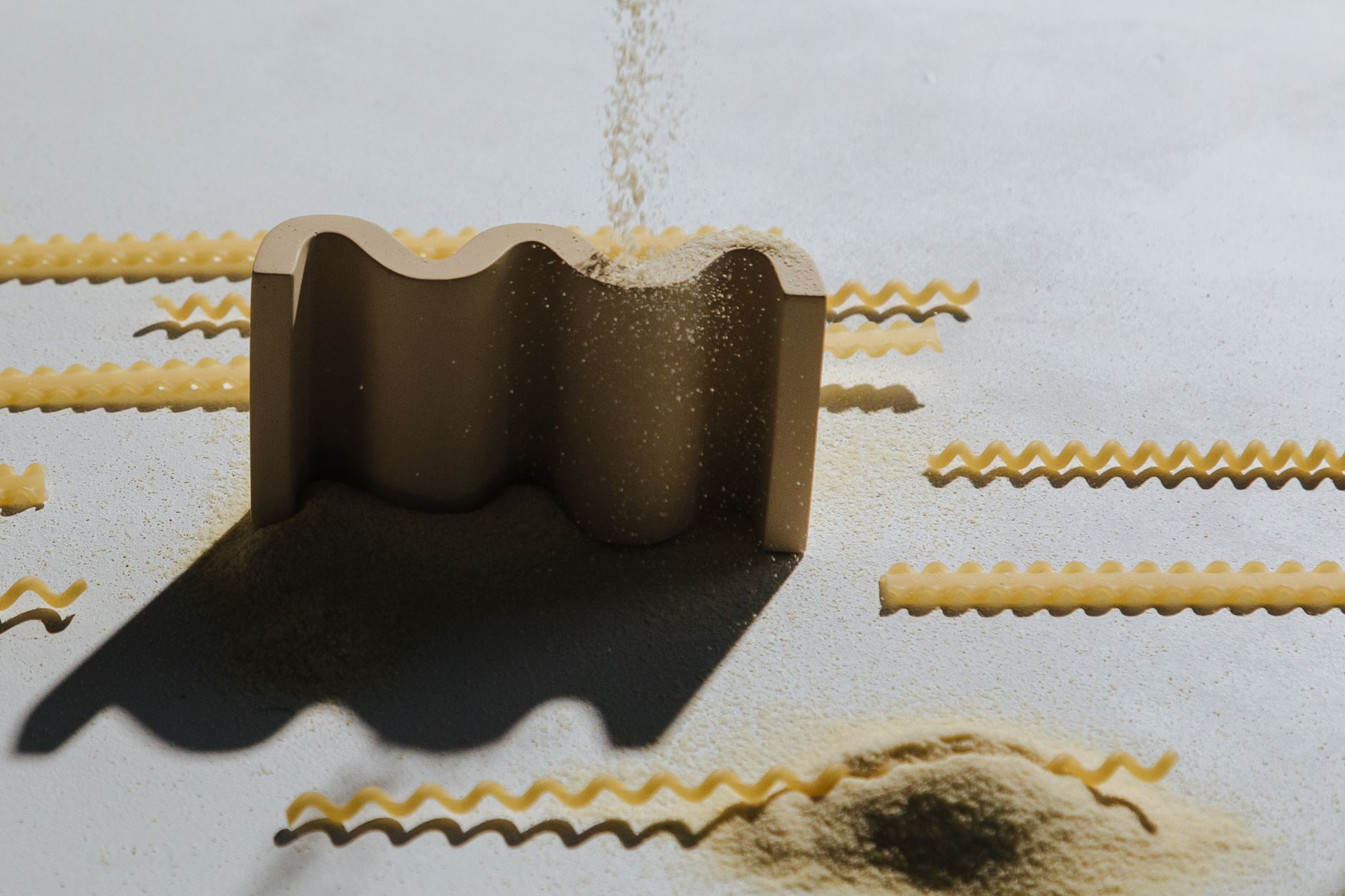
Semolina is a coarse flour derived from durum wheat, a hard variety of wheat typically grown in North America and parts of Europe. The grain is crushed and milled into a fine-or coarse-textured flour that is yellowish in color. Semolina has a high gluten content, which gives it a unique ability to withstand cooking processes, making it ideal for pasta, couscous, and bread.
Flavor and Texture of Semolina
The flavor of semolina is subtly nutty and earthy, complementing both savory and sweet dishes. When cooked, semolina has a firm yet tender texture, making it a favorite ingredient in traditional dishes like Italian pasta, Middle Eastern couscous, and Indian upma. Its ability to absorb flavors enhances its versatility across global cuisines.
Nutrition Profile of Semolina
Semolina is rich in carbohydrates and offers a good source of vitamins and minerals. It’s particularly high in B vitamins, which are crucial for energy production. For those who can incorporate gluten into their diet, semolina can be a nutritious option. One cup of cooked semolina contains roughly:
- Calories: 220
- Protein: 8 grams
- Carbohydrates: 43 grams
- Fiber: 2 grams
- Iron: 7% of the Daily Value (DV)
However, those with gluten sensitivities should avoid semolina and seek out gluten-free alternatives that provide similar nutritional benefits.
Identifying Gluten-Free Alternatives
If semolina is off the table, there are various gluten-free grains and flours to consider. These alternatives can often mimic the texture and functionality of semolina in recipes:
1. Cornmeal
Ground from dried corn, cornmeal makes a great substitute in certain dishes. Its fine texture can work in baking or as a binding agent, particularly in polenta and cornbread.
2. Rice Flour
This gluten-free flour can replace semolina in various recipes, particularly in baked goods and puddings. It has a neutral flavor, making it suitable for both sweet and savory dishes.
3. Quinoa Flour
High in protein and nutrients, quinoa flour offers a slight nutty flavor. It works well in gluten-free baking and can be combined with other flours for better texture.
4. Gluten-Free Couscous
Made from alternative grains, gluten-free couscous can provide the same great texture as traditional semolina couscous. Look for varieties made from rice, corn, or chickpeas.
5. Almond Flour
Almond flour is great for gluten-free baking; it adds moisture and a slight sweetness. It may not mimic semolina’s texture exactly, but it works well in cakes and cookies.
Reading Labels: Understanding Gluten Content
When shopping for gluten-free products, thorough label reading is essential. Here are some tips on what to look for:
- Wheat Ingredients: Be wary of any products that list wheat, semolina, durum, or other wheat derivatives in their ingredients. These contain gluten.
- Gluten-Free Certification: Check for a gluten-free certification logo, which indicates the product meets strict gluten-free standards.
- Cross-Contamination Warnings: Look for alerts about potential cross-contamination with gluten-containing grains, especially if you have severe allergies.
- Ingredient Lists: Familiarize yourself with alternative grains and flour. The presence of gluten-free ingredients should indicate safety for those avoiding gluten.
Cooking with Gluten-Free Grains
Using gluten-free grains and flours requires some adjustments in both cooking techniques and recipe formulations. Here are some tips for successful gluten-free cooking:
1. Adjusting Liquid Ratios
Gluten-free flours often absorb more or less liquid than semolina. Experiment with your recipes, adjusting the amount of liquid accordingly to achieve the desired consistency.
2. Mixing Flours
Consider blending different gluten-free flours to balance flavors and textures. Each gluten-free flour has unique properties; mixing them can help mimic the gluten structure found in semolina.
3. Bind with Alternatives
Gluten-free recipes often require binding agents to replace the structure gluten would typically provide. Options include eggs, flaxseed meal, or chia seeds combined with water.
4. Bake Longer at Lower Temperatures
Gluten-free baked goods may require a longer baking time. Lower the temperature slightly and give your dishes extra time in the oven to ensure proper cooking.
Common Mistakes with Gluten-Free Cooking
Transitioning to gluten-free cooking can be challenging. Here are some common pitfalls and how to avoid them:
- Not Measuring Properly: Accurate measuring of your ingredients is crucial. Use weights where possible to ensure consistency, especially with gluten-free flours.
- Ignoring Rest Time: Allow your dough or batter to rest when using gluten-free flours. This helps with texture and overall structure.
- Forgetting Flavor Enhancers: Gluten-free flours can sometimes taste bland. Adding spices, herbs, or additional flavorings can enhance your dish significantly.
- Rushing the Baking Process: Follow your baking and cooking times closely. Gluten-free items may look done sooner than they are.
Frequently Asked Questions About Semolina and Gluten
Can Semolina Be Part of a Gluten-Free Diet?
No, semolina cannot be part of a gluten-free diet because it contains gluten. Individuals with celiac disease or gluten sensitivity should avoid any products containing semolina.
What Are the Best Gluten-Free Substitutes for Semolina in Pasta?
Gluten-free pasta made from rice, corn, or quinoa flour can serve as excellent substitutes for pasta made from semolina. Each of these alternatives offers different flavors and textures, so choose based on your personal preference.
How Can I Make Gluten-Free Couscous?
Opt for gluten-free couscous made from rice, corn, or chickpeas. Cooking instructions remain similar to traditional couscous but ensure you follow the specific directions on the packaging for best results.
How Can I Use Semolina in a Non-Gluten-Free Recipe?
If you are not gluten-sensitive, semolina can be used in various recipes, such as pasta or baked goods. It helps create a firm texture and gives dishes a rich flavor, perfect for hearty meals.
Conclusion and Next Steps
Understanding whether semolina is gluten-free is vital for those with dietary restrictions. This guide provides you with the knowledge to identify semolina, its substitutes, and how to make informed choices when reading labels.
For further exploration of gluten-free cooking, consider looking into related recipes or cooking tips that may enhance your culinary experience.