
Picture a warm kitchen filled with the comforting scent of baked goods, where the crust of a pie is as crucial as its filling. This Pie Crust Recipe delivers a flaky, buttery crust that cradles your favorite fillings beautifully, making it a must-have in every home baker’s repertoire. It’s incredibly versatile, easy to work with, and can elevate any sweet or savory pie to new heights. Whether you’re preparing a classic apple pie or a decadent chocolate cream pie, this crust is the perfect starting point. Let’s roll up our sleeves and get started!
Why You’ll Love This Recipe
This pie crust recipe is a staple you’ll turn to again and again. With just a few simple ingredients, you can create a flaky masterpiece.
- Deliciously buttery flavor that enhances every pie.
- Easy to follow with minimal ingredients.
- Perfect for both sweet and savory pies.
- Can be made ahead of time and frozen for convenience.
- Impressive texture that keeps your filling in check.
My Experience Making This Recipe
The first time I made this pie crust, I was surprised at how quickly it came together. The moment I pulled it from the oven, the golden color and flaky texture had my family gathering around the kitchen.
With each bite, they raved about the buttery flavor. It was a proud moment that reminded me why homemade is always worth the effort!
Recipe Overview
- Recipe Name: Pie Crust
- Servings: 8
- Prep Time: 15 minutes
- Cook Time: 30 minutes
- Total Time: 45 minutes
- Course: Dessert
- Cuisine: American
- Calories per Serving: 150
Equipment You Will Need
- Mixing bowl
- Pastry cutter or fork
- Rolling pin
- Pie dish
- Plastic wrap
- Parchment paper
- Pie weights (optional)
Ingredients for Pie Crust
- 2 ½ cups all-purpose flour
- 1 teaspoon salt
- 1 teaspoon sugar
- 1 cup (2 sticks) unsalted butter, chilled and diced
- 6 to 8 tablespoons ice water
Ingredient Notes and Substitutions
- All-purpose flour: This is the foundation of your crust; it provides structure. You can substitute with a gluten-free blend if needed.
- Salt: Enhances flavor; use sea salt for a different flavor profile. If you’re on a low-sodium diet, reduce it or omit.
- Sugar: Adds a hint of sweetness; you can leave it out for savory pies. For a sweeter crust, use up to 2 tablespoons.
- Unsalted butter: Gives a rich flavor; use salted butter if that’s what you have on hand. Coconut oil can be a dairy-free alternative.
- Ice water: Binds the dough; cold water is key to keeping the crust flaky. You can use vodka for a tender texture.
How to Make Pie Crust
Step 1: Combine Dry Ingredients
In a large mixing bowl, whisk together the flour, salt, and sugar. This ensures even distribution of the ingredients, which is vital for the crust’s texture.
Step 2: Cut in the Butter
Add the chilled, diced butter to the flour mixture. Using a pastry cutter or fork, blend until the mixture resembles coarse crumbs.
Step 3: Add Ice Water
Gradually add ice water, one tablespoon at a time. Mix gently until the dough starts to come together; be careful not to overwork it.
Step 4: Form the Dough
Turn the dough out onto a lightly floured surface. Gather it into a ball, then flatten it into a disk to make rolling easier.
Step 5: Chill the Dough
Wrap the disk in plastic wrap and refrigerate for at least 30 minutes. Chilling helps the butter firm up again, which is essential for a flaky crust.
Step 6: Roll Out the Dough
Once chilled, roll out the dough on a floured surface to about 1/8-inch thickness. Aim for an even thickness to ensure even cooking.
Step 7: Transfer to Pie Dish
Carefully transfer the rolled-out dough to your pie dish. Gently press it into the dish, being careful not to stretch it.
Step 8: Trim and Crimp Edges
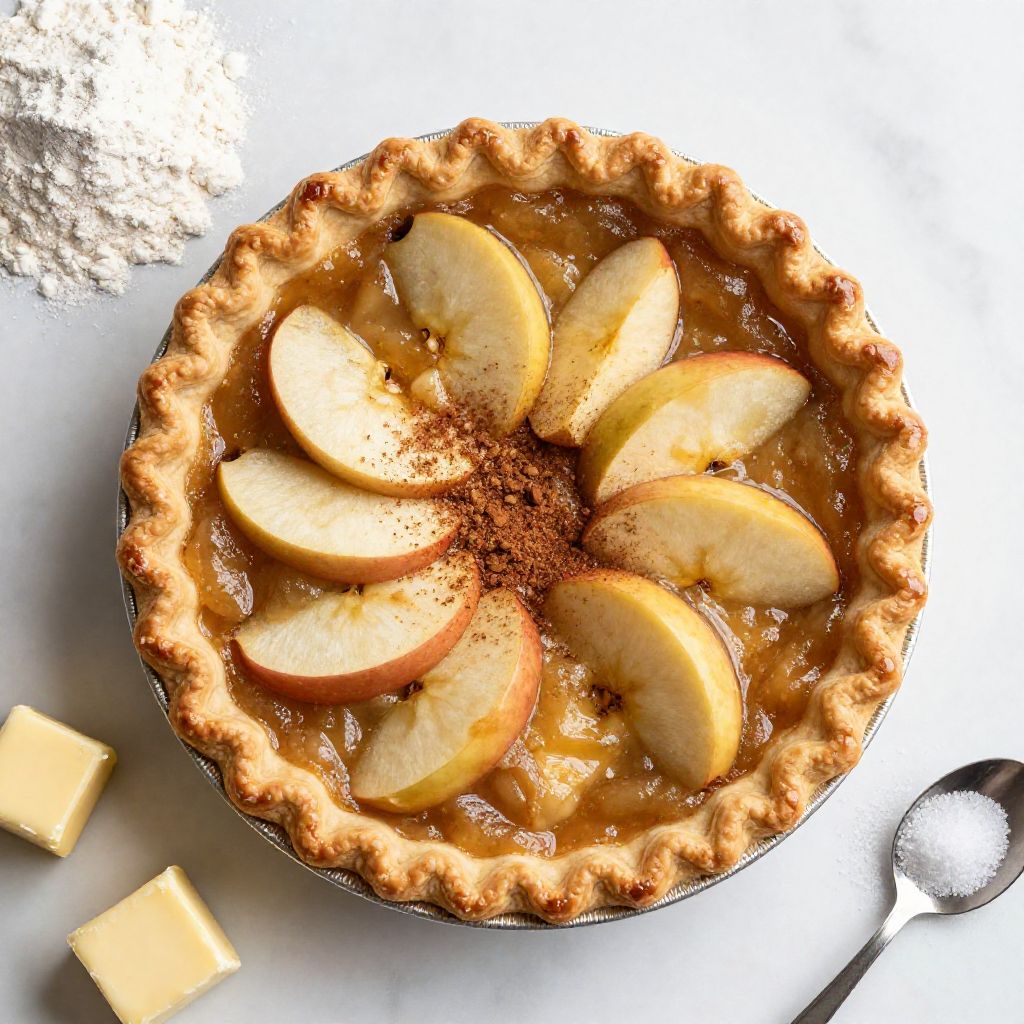
Trim any excess dough hanging over the edges and crimp the edges as desired. This not only looks pretty but helps seal the filling inside.
Pro Tip: Always chill the dough before rolling it out to achieve that coveted flaky texture.
Tips for the Best Pie Crust
- Use cold ingredients: Cold butter and water are key for flakiness.
- Don’t overmix: Mixing too much can lead to a tough crust.
- Roll out on parchment paper: It makes transferring the dough easier.
- Freeze the crust: For a pre-baked crust, freeze it before baking to prevent shrinkage.
- Blind bake for custard pies: Pre-bake the crust to avoid a soggy bottom.
Common Mistakes to Avoid
- Using warm butter: It can lead to a greasy crust that doesn’t hold its shape.
- Not chilling the dough: This crucial step prevents shrinkage during baking.
- Rolling too thin: A crust that’s too thin will break easily.
- Not trimming excess dough: It can lead to uneven baking and an unsightly pie.
- Ignoring the resting time: Letting the dough rest is essential for the gluten to relax.
Serving Suggestions
This pie crust pairs beautifully with a variety of fillings, making it extremely versatile. Here are some delicious options to consider.
- Classic apple pie with cinnamon and nutmeg.
- Rich chocolate cream pie topped with whipped cream.
- Savory chicken pot pie filled with veggies.
- Fresh berry pie with a hint of lemon.
- Quiche with your favorite cheese and vegetables.
Variations to Try
- Whole wheat flour: Swap half the all-purpose flour for whole wheat for a nuttier flavor.
- Herb-infused crust: Add dried herbs like thyme or rosemary for a savory touch.
- Chocolate crust: Incorporate cocoa powder for a rich chocolate flavor.
- Spiced crust: Add cinnamon or nutmeg to the flour for a sweet twist.
- Nut crust: Use ground nuts instead of flour for a gluten-free option.
Dietary Adaptations
- Gluten-free: Use a gluten-free flour blend, but expect a different texture.
- Dairy-free: Substitute butter with coconut oil or a plant-based butter.
- Vegan: Use a vegan butter alternative and follow the same method.
- Low-carb/keto: Consider almond flour or coconut flour for a lower carb option.
Storage and Reheating
Refrigerator
Store any unbaked dough wrapped in plastic wrap in the refrigerator for up to 3 days.
- Make sure it is tightly wrapped to prevent drying out.
- Bring to room temperature before rolling out.
Freezer
For longer storage, freeze the wrapped dough for up to 3 months.
- Thaw overnight in the refrigerator before using.
- Label with the date for easy tracking.
Reheating
If you have leftover baked pie, reheat in a preheated oven at 350°F until warmed through.
- Cover loosely with foil to prevent over-browning.
- Check the filling to ensure it’s heated evenly.
Nutrition Information
| Nutrient | Amount |
|---|---|
| Calories | 150 |
| Total Fat | 10g |
| Saturated Fat | 6g |
| Carbohydrates | 13g |
| Fiber | 0g |
| Sugar | 1g |
| Protein | 2g |
| Sodium | 150mg |
| Cholesterol | 30mg |
This nutrition information is approximate and may vary based on specific ingredients used.
Frequently Asked Questions
Can I make the pie crust ahead of time?
Yes, you can prepare the dough and store it in the refrigerator or freezer for later use.
What can I substitute for butter?
Coconut oil or a plant-based butter are great alternatives for a dairy-free version.
How do I prevent a soggy bottom?
Blind baking the crust before adding a wet filling is the best way to avoid this issue.
Why is my crust tough?
Overmixing the dough can lead to gluten development, resulting in a tough crust.
Can I freeze the baked pie?
Yes, you can freeze a baked pie. Wrap it well to prevent freezer burn and it should last for up to 3 months.
Final Thoughts
This Pie Crust Recipe opens up a world of delicious possibilities. I encourage you to give it a try and experience the joy of homemade pie.
Explore more delightful recipes like the Betty Crocker Pie Crust Recipe or the comforting Chicken Pot Pie Crust Recipe to keep your baking adventures going!
Ingredients
Equipment
Method
- Combine the flour, salt, and sugar in a large mixing bowl, whisking to distribute evenly.
- Add the chilled, diced butter to the flour mixture and cut it in with a pastry cutter or fork until the mixture resembles coarse crumbs.
- Gradually add ice water, one tablespoon at a time, mixing gently until the dough just comes together without being wet or sticky.
- Turn the dough out onto a lightly floured surface, gather it into a ball, and flatten it into a disk.
- Wrap the dough disk in plastic wrap and refrigerate for at least 30 minutes to chill and firm up the butter.
- On a lightly floured surface, roll out the chilled dough to about 1/8-inch thickness, rotating and dusting with flour as needed.
- Carefully transfer the rolled dough to a pie dish, trim any excess, and crimp the edges as desired.
- Preheat the oven to 375°F (190°C) and bake the crust for 30 minutes or until golden brown.