
Gelatin is a common ingredient in many foods, providing structure and texture to desserts, jellies, and even some savory dishes. However, when considering vegan lifestyles or vegetarian diets, an important question arises: is gelatin vegan? This article delves into the origins of gelatin, its uses in the kitchen, and suitable plant-based alternatives.
To address the fundamental query clearly, gelatin is not vegan as it is derived from animal collagen, typically sourced from bones, skin, and connective tissues. For those adhering to vegan principles, it’s essential to identify alternatives that can replicate gelatin’s properties without animal products. Let’s explore further!
What is Gelatin and Where Does it Come From?
Gelatin is a gelling agent that is used primarily in food preparation and manufacturing. It is made from collagen, a protein that is vital for the health and structure of various animal tissues. To produce gelatin, animal parts—usually derived from cows or pigs—are boiled and processed to extract their collagen, which is then dried and processed into powder or sheets.
Due to its unique ability to dissolve in hot liquids and form a gel when cooled, gelatin is used in a variety of culinary applications, particularly in the production of:
- Jellies
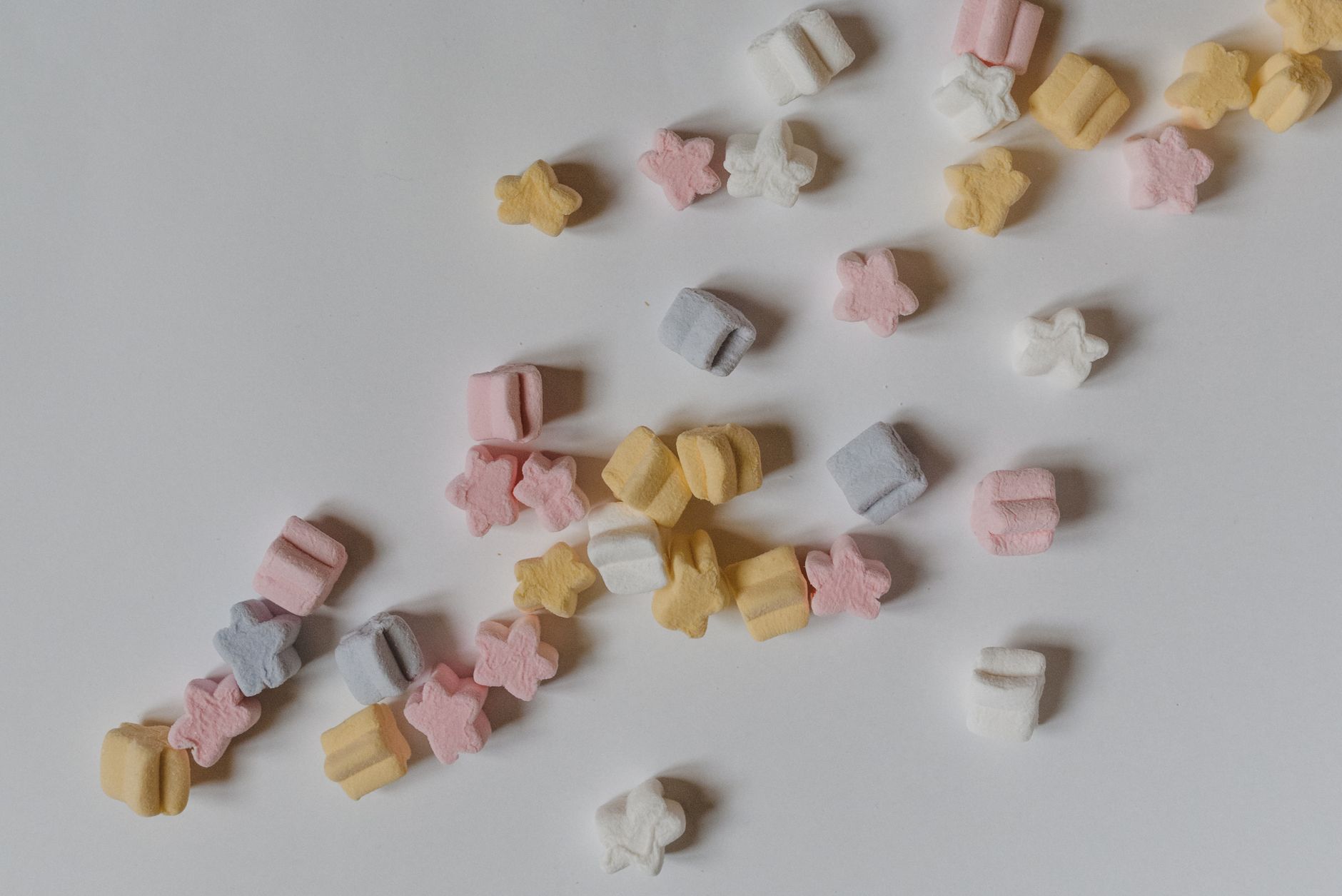
- Marshmallows
- Panna cotta
- Cheesecakes
- Candies
- Soups and broths
- Some dairy products like yogurt and ice cream
Why is Gelatin Not Considered Vegan?
The fundamental reason gelatin is not considered vegan is its origin from animal byproducts. Vegans avoid consuming animal products or byproducts for ethical, environmental, and health reasons. Therefore, since gelatin comes from animals, it fails to meet the criteria for a vegan diet.
Vegans also tend to avoid foods and products tested on animals or linked to animal cruelty, further reinforcing their avoidance of gelatin. This decision often extends to any product that contains gelatin, including some vitamins and pharmaceuticals.
Common Uses of Gelatin in Cooking
Gelatin finds its way into various culinary applications, both in home kitchens and commercial food production. Here are some common uses:
- Thickening Agent: It adds thickness to sauces and soups.
- Stabilizer: Used to stabilize emulsions like mayonnaise or salad dressings.
- Creamy Texture: Provides a creamy consistency in desserts like mousses.
- Clarifying Agent: Used in beverages like wine or fruit juices for clarification.
Understanding why gelatin is prevalent in cooking helps highlight the need for suitable vegan alternatives to cater to those avoiding animal products.
Vegan Alternatives to Gelatin
Fortunately, several plant-based alternatives mimic gelatin’s gelling properties, enabling vegans and vegetarians to create similar textures in dishes without using animal products. Here’s a list of some popular substitutes:
Agar-Agar
Agar-agar is derived from red algae and is a highly effective alternative to gelatin. It is available in powdered or flake form. Agar sets quickly when cooled and has a similar gelling texture to gelatin. It is ideal for making jellies, puddings, and desserts that require a firmer texture.
- Substitution Ratio: 1 tablespoon of agar-agar powder is equivalent to 1 tablespoon of gelatin.
Carrageenan
Another seaweed-derived thickening agent, carrageenan, is often used in dairy products, vegan cheeses, and desserts. It is effective in thickening dairy-free milks and providing a creamy texture.
- Substitution Ratio: Start with 1 teaspoon of carrageenan for every 1 tablespoon of gelatin.
Kudzu Powder
Kudzu powder is made from the root of the kudzu plant and is gluten-free. It works well in sauces and glazes to thicken liquids while providing a glossy finish.
- Substitution Ratio: Use 1 tablespoon of kudzu powder for every 1 tablespoon of gelatin, adding it to the liquid and cooking until thickened.
Agar-Agar Flakes
Agar-agar comes in flake form, which requires slightly more preparation than the powder option. Flakes need to be boiled in water before use to activate their gelling properties.
- Substitution Ratio: 1 tablespoon of agar flakes is about equivalent to 2 teaspoons of gelatin.
Pectin
Pectin is a natural gelling agent derived from fruits and is often used in making jams and jellies. It requires sugar and acid to set properly, making it less versatile than some other alternatives.
- Substitution Ratio: The exact ratio varies by brand, so refer to the packaging for accurate measurements.
Flavor and Texture: How Do Vegan Substitutes Compare to Gelatin?
While the primary function of gelatin is to create texture and stability in recipes, it is vital to consider the differences in flavor and texture that vegan substitutes can bring:
- Agar-Agar: Produces a slightly firmer gel than gelatin and does not impart flavor. It may have more dietary fiber.
- Carrageenan: Common in dairy applications, providing a creamy texture but may cause a slimy mouthfeel if not used properly.
- Kudzu Powder: Produces a smooth texture with subtle thickening, ideal for savory dishes.
- Pectin: Best suited for fruits; it may alter the sweetness level of the dish.
In terms of flavor, most substitutes are neutral and won’t drastically change the taste of the final dish, making them ideal replacements for vegetarian and vegan cooking.
How to Use Vegan Gelatin Alternatives
When utilizing these vegan alternatives in recipes, the preparation method varies based on the type of ingredient chosen. Here’s a simple guide on how to use each alternative effectively:
Agar-Agar
- Measure the required amount of agar-agar (either powdered or flaked).
- Mix it into a pot with your liquid. Agar-agar should be added to cold water or juice.
- Bring the mixture to a boil, stirring continuously to dissolve completely.
- Once dissolved, pour into molds and allow to set in the refrigerator.
Carrageenan
- Combine carrageenan with the liquid, stirring well to prevent clumping.
- Heat the mixture to 190°F (88°C), allowing it to simmer for about five minutes.
- Pour into molds and refrigerate until set.
Kudzu Powder
- Mix kudzu powder with a small amount of cold water to create a slurry.
- Add the slurry to your hot dish, stirring constantly until thickened.
- Cook for a few more minutes until fully thickened and glossy.
Pectin
- Mix pectin into the fruit or liquid while it is still cold.
- Bring the mixture to a boil. Add sugar gradually while maintaining a rolling boil.
- Cook for the time specified on the pectin package and pour into sterilized containers.
Common Mistakes and Troubleshooting
When substituting gelatin with vegan alternatives, certain common errors can lead to unsatisfactory results. Here are a few pitfalls to watch out for and how to avoid them:
- Not Dissolving Thoroughly: Not fully dissolving agar or carrageenan can lead to clumps. Always ensure complete dissolution.
- Wrong Ratios: Measure carefully, as the gelling power differs between substitutes. Using too little could lead to a lack of firmness.
- Lacking Acidity: Pectin needs acidic environments to set. Always add lemon juice or another acid when using pectin.
Serving Suggestions and Variations Using Plant-Based Gelatin
Once you’ve successfully prepared a dish using these vegan alternatives, consider these serving suggestions and variations:
- For a fruit jelly, layer different fruit purees to create striking visuals.
- In panna cotta, experiment with different plant-based milks such as coconut or almond milk for varying flavor profiles.
- Introduce spices or aromatics like vanilla or citrus zest into your preparations for an extra flavor boost.
Storage and Shelf Life
The storage conditions for dishes made with vegan gelatins depend on the specific recipe as well as the substitute used:
- Agar agar-based dishes: Typically last around one week in the refrigerator in an airtight container.
- Carrageenan-based products: Store similarly, but ensure not to freeze, as it can lose its gelling properties.
- Pectin-based jams: Can last for months in sealed jars, stored in a cool, dark place.
Vegan Gelatin in Commercial Products
In recent years, many food manufacturers have developed vegan alternatives to traditional gelatin, making it easier to find suitable options in stores. Products such as vegan gummy candies, marshmallows, and dessert mixes are increasingly available, offering flavors and textures similar to their non-vegan counterparts.
Final Thoughts
Understanding that gelatin is not vegan, and exploring plant-based alternatives empowers those adhering to vegan diets to enjoy a variety of dishes without compromise. Agar-agar, carrageenan, kudzu, and pectin are all excellent substitutes, offering culinary versatility.
By being knowledgeable about these alternatives, chefs and home cooks alike can ensure that everyone can indulge in the textures and flavors they love, no matter their dietary choices. If you are looking for ideas for plant-based desserts, check out recipes like chia pudding or see if chocolate is vegan. Happy cooking!