
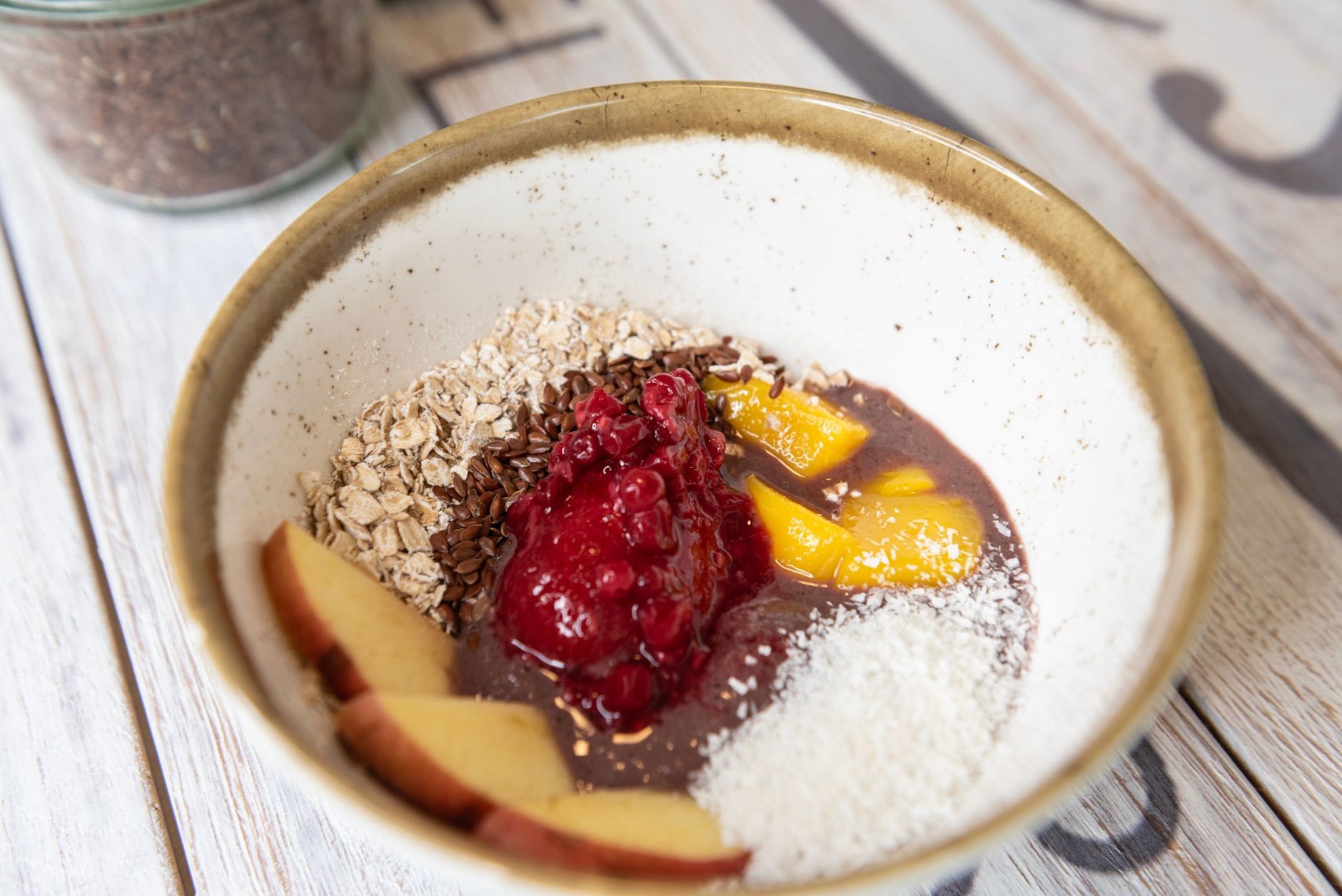
Flaxseed is a nutrient-dense superfood that has gained popularity for its many health benefits and culinary versatility. These tiny seeds are rich in omega-3 fatty acids, fiber, and lignans, making them a valuable addition to various diets.
In this article, we will explore what flaxseed is, its flavor profile, how to incorporate it into your meals, and the best ways to serve it.
What Is Flaxseed?
Flaxseed, derived from the flax plant (Linum usitatissimum), is available in two primary forms: brown and golden flaxseed. They share similar nutritional profiles but may offer slight variations in flavor and texture.
The seeds are tiny and oval-shaped, typically measuring about 1 centimeter in length. Flaxseeds have been used for thousands of years for their health benefits, culinary uses, and even as a source of linen fiber.
What Are the Nutritional Benefits of Flaxseed?
Flaxseeds are a powerhouse of nutrition, offering numerous health benefits:
- Omega-3 Fatty Acids: Flaxseed is one of the richest plant sources of alpha-linolenic acid (ALA), a type of omega-3 fatty acid known for its anti-inflammatory properties.
- Fiber: High in both soluble and insoluble fiber, flaxseed promotes digestive health and helps regulate blood sugar levels.
- Lignans: These antioxidant compounds found in flaxseed have been linked to a lower risk of certain cancers, especially hormone-related cancers.
- Vitamins and Minerals: Flaxseed is a good source of several vitamins and minerals, including vitamin B1 (thiamine), magnesium, phosphorus, and selenium.
Flavor Profile of Flaxseed
Flaxseed has a mild, nutty flavor that pairs well with both sweet and savory dishes. When ground, flaxseed can add a subtle texture and enhance the overall taste of the dish. It can also lend a slightly earthy aroma that blends seamlessly into baked goods, smoothies, and salads.
The taste may differ slightly between brown and golden flaxseed, with some believing golden flaxseed to have a slightly milder flavor.
How to Use Flaxseed in Cooking
Flaxseed can be used in various forms, with ground flaxseed being the most common due to its improved digestibility and nutrient absorption. Here are some popular ways to incorporate flaxseed into your meals:
- Smoothies: Blend in a tablespoon of ground flaxseed for added nutrition and a boost of omega-3s.
- Baking: Substitute up to 1/4 cup of ground flaxseed for flour in recipes for muffins, breads, and pancakes.
- Oatmeal: Stir ground flaxseed into your morning oatmeal or yogurt for additional fiber.
- Salads: Sprinkle whole or ground flaxseed onto salads for extra crunch and nutrition.
- Soups and Stews: Add ground flaxseed as a thickening agent while enriching the dish with its health benefits.
How to Serve Flaxseed
Flaxseed can be enjoyed in many ways. Here are some serving suggestions to enhance your meals:
- On a Toast: Spread whole grain toast with nut butter and sprinkle ground flaxseed on top for a nourishing snack.
- In Energy Bites: Combine oats, nut butter, honey, and ground flaxseed to create no-bake energy bites.
- In Smoothie Bowls: Top smoothie bowls with fruits, nuts, and a sprinkle of flaxseed for added texture.
- In Homemade Granola: Mix flaxseed into your favorite granola recipe for an extra nutritional punch.
- As an Egg Substitute: For vegan baking, mix one tablespoon of ground flaxseed with three tablespoons of water to replace one egg.
How to Prepare Flaxseed
For the best nutritional benefits, flaxseed should be prepared properly:
Whole vs. Ground Flaxseed
Whole flaxseed can pass through the digestive system undigested, meaning you may not absorb all of the beneficial nutrients. Grinding flaxseed enhances nutrient absorption. You can easily grind flaxseed using a coffee grinder or a high-speed blender.
How to Store Flaxseed
Store whole flaxseed in a cool, dark place, such as a pantry. Ground flaxseed should be stored in an airtight container in the refrigerator or freezer to maintain its freshness and prevent rancidity. Proper storage can keep flaxseed fresh for several months.
Common Mistakes to Avoid with Flaxseed
When using flaxseed, certain mistakes can diminish its flavor and nutritional value. Here are some errors to avoid:
- Using Whole Flaxseed: As mentioned, whole seeds may not provide the desired health benefits. Always opt for ground flaxseed or grind it yourself.
- Not Storing Properly: Failing to store ground flaxseed in the refrigerator can lead to rancidity. Always keep it properly stored to maintain freshness.
- Exceeding Daily Intake: While flaxseed is healthy, consuming more than 1-2 tablespoons daily is typically sufficient. Excessive intake may lead to digestive discomfort.
- Mixing with Hot Liquids: Avoid adding ground flaxseed directly to boiling liquids, as this can reduce its health properties. Allow the liquid to cool slightly before mixing.
When is the Best Time to Consume Flaxseed?
Although there is no definitive answer to the best time to consume flaxseed, many people incorporate it into their morning routine. Adding it to breakfast items like smoothies, oatmeal, or yogurt can kickstart your day with essential nutrients.
However, flaxseed can be enjoyed any time of day, whether in baked goods, salad dressings, or as a snack. The key is to integrate it within meals that already suit your taste preference.
Potential Allergies and Precautions
Flaxseed is generally safe for most people when consumed in moderation. However, if you have allergies to seeds or nuts, exercise caution when trying flaxseed for the first time.
Pregnant or breastfeeding women should consult a healthcare provider before significantly increasing flaxseed intake, as some concerns regarding hormone levels exist regarding flaxseed consumption.
Flaxseed Alternatives and Substitutes
If you find yourself without flaxseed or are considering alternatives, here are some suitable substitutes:
- Chia Seeds: Rich in omega-3s and fiber, chia seeds can be used in similar ways to flaxseed. They also develop a gel-like consistency when mixed with liquids.
- Hemp Seeds: These seeds are packed with protein and healthy fats, making them an excellent substitute in smoothies, salads, and baked goods.
- Ground Almonds: Ground almonds can work well in baking recipes and add a nutty flavor, though their fat content differs from that of flaxseed.
Conclusion
Flaxseed is a nutritious and versatile ingredient that can easily be incorporated into various meals, enhancing both flavor and health benefits. Whether you’re adding it to your breakfast or using it in baking, flaxseed offers numerous ways to improve your diet. Consider experimenting with this superfood in your next meal planning session.
You can explore related topics like the benefits of chia seeds or try out a chia pudding recipe with coconut milk for more healthy options. Happy cooking!